

Blog
Advice and expertise from AM, and special guest posts by leading archivists, academics and librarians from around the world.
-
TitleDescriptionDate
-
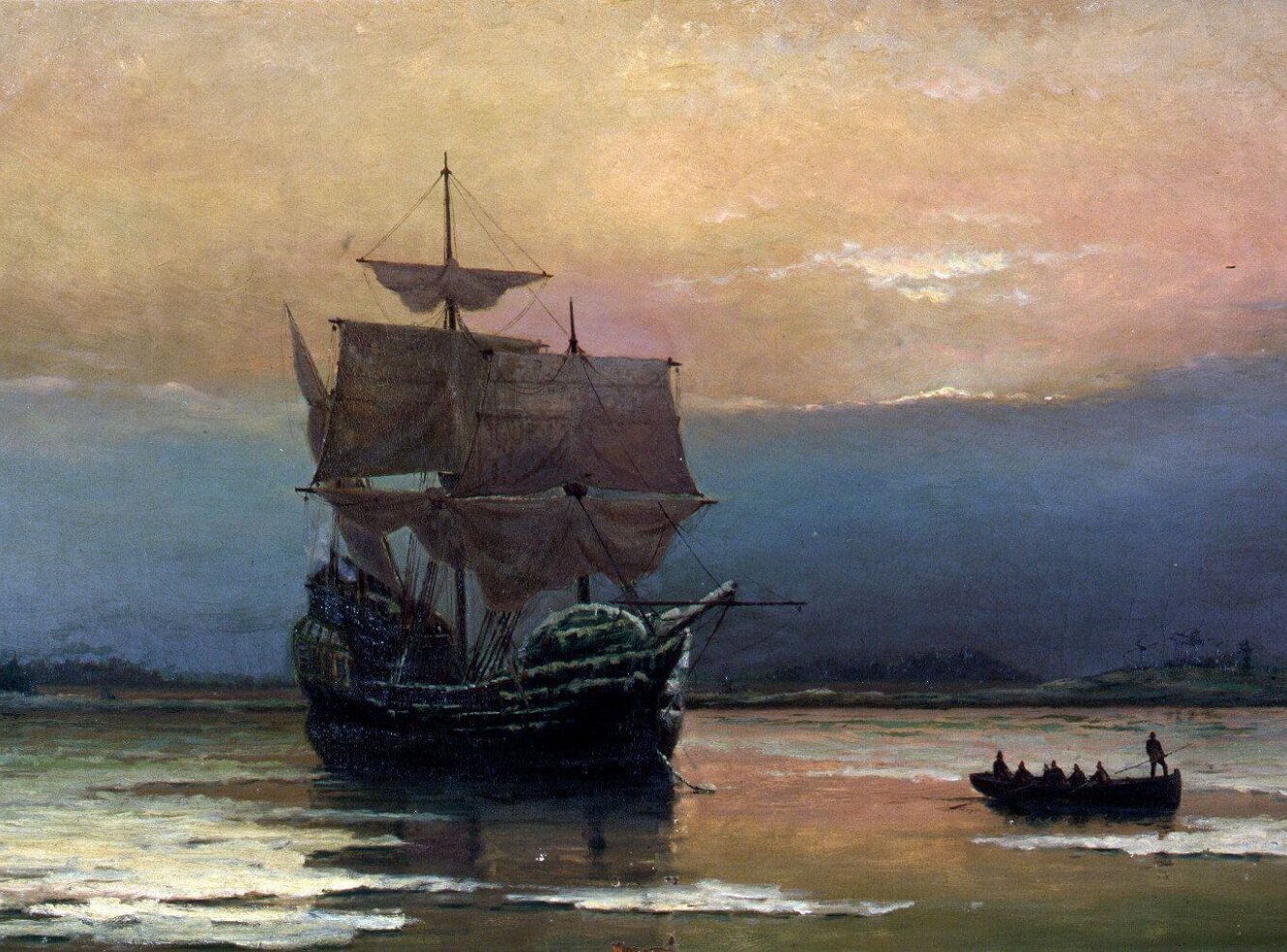 From the Mayflower to Massachusetts Bay: Colonial America V
On September 6th, 1620, a group of pilgrims left Plymouth aboard a ship called the Mayflower, bound for a new life in what was then the British colonies of America. Almost 400 years on from one of the most well-known events from America’s colonial beginnings, it feels fitting that, here at Adam Matthew, work on our long-running Colonial America resource has finally reached its conclusion with the publication of Module V: Growth, Trade and Development.
-
 On Your Marks, Get Set, Bake up a Treat with Adam Matthew Digital
Allow me to make something clear: I will find any excuse to treat myself to baked goods, and the return of the Great British Bake Off to our TV screens this week was as good an excuse as any to tuck in.
-
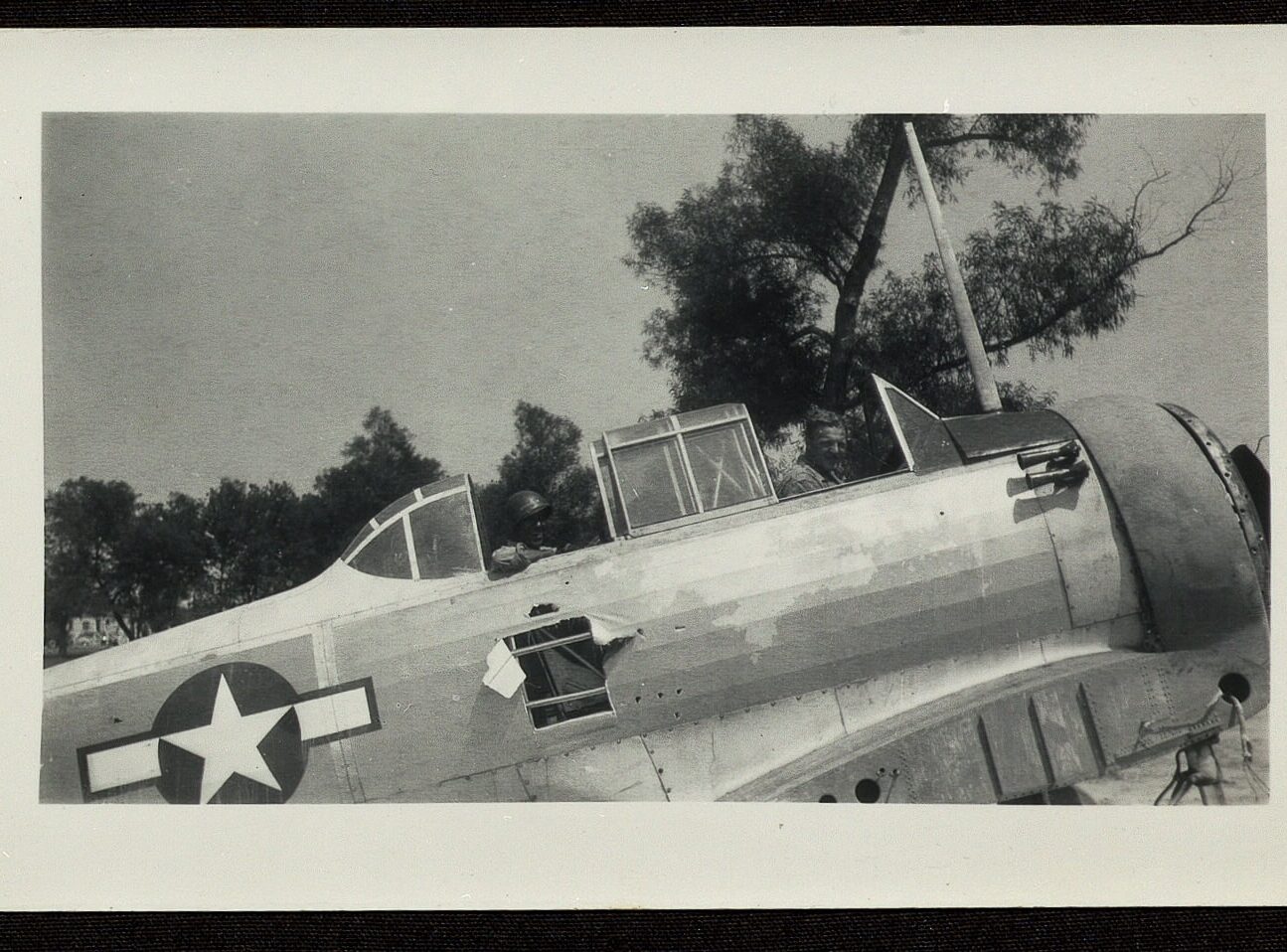 Short snorters: Write on the money
What on earth is a 'short snorter'? Assessing material for our newly released resource America in World War Two several years ago, I found myself faced with the archival catalogue of the National WWII Museum in New Orleans and this very question.
-
 Best Foot Forward
I am continually losing socks. There is no rhyme or reason to it. I don’t think I can even blame the washing machine because occasionally I will notice in the evening that, while I may have started my day with two socks on, I am now definitely only wearing one.
-
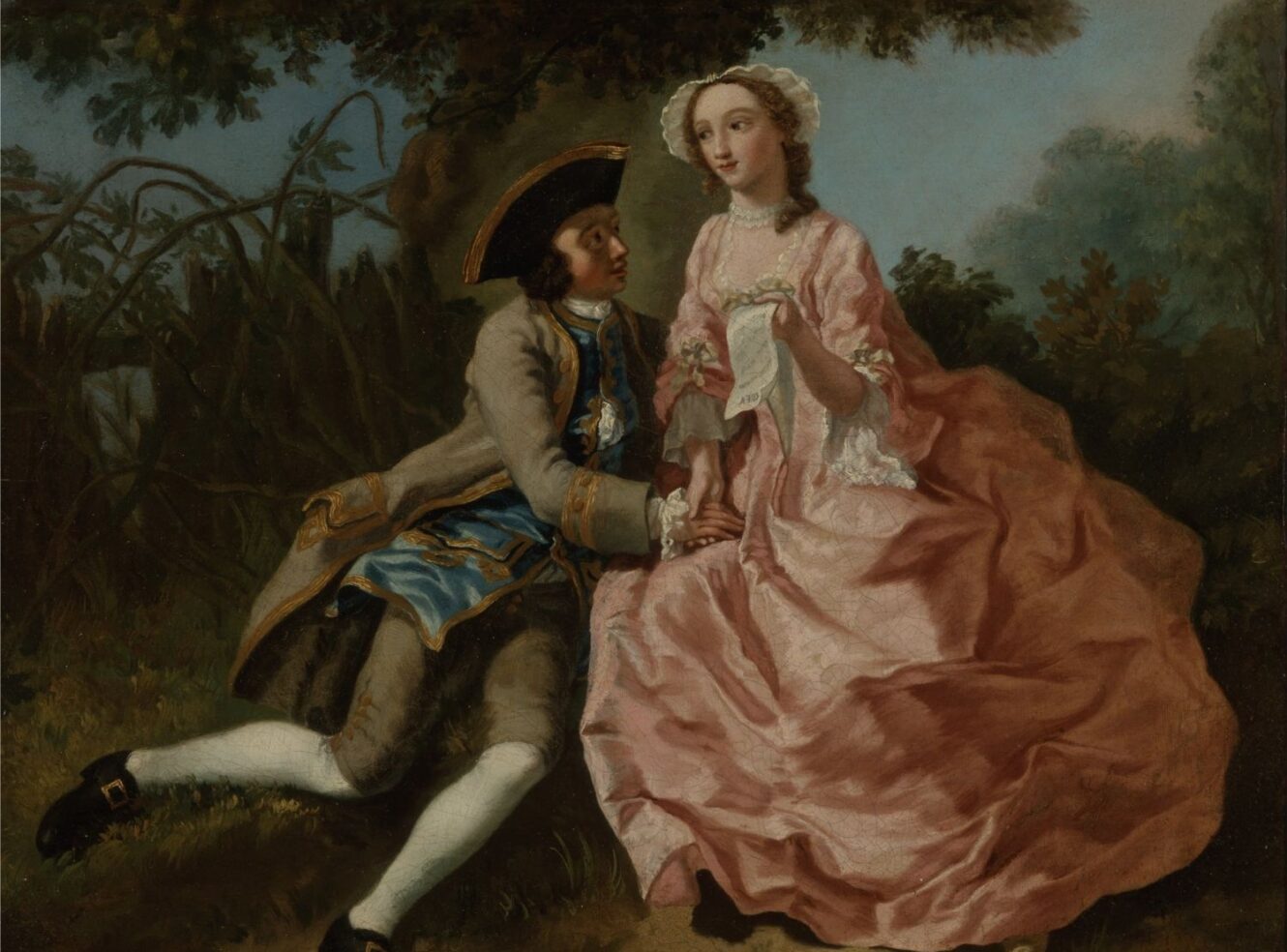 ‘Cracking on’ in the Eighteenth Century: Conduct Books and Courtship
Love it or hate it, Love Island fever has undeniably swept through the nation for yet another summer and with the infamous dating reality show now gearing up to the final next week it seems appropriate to take a moment to step back in time and see how our eighteenth century predecessors went about ‘cracking on’.
-
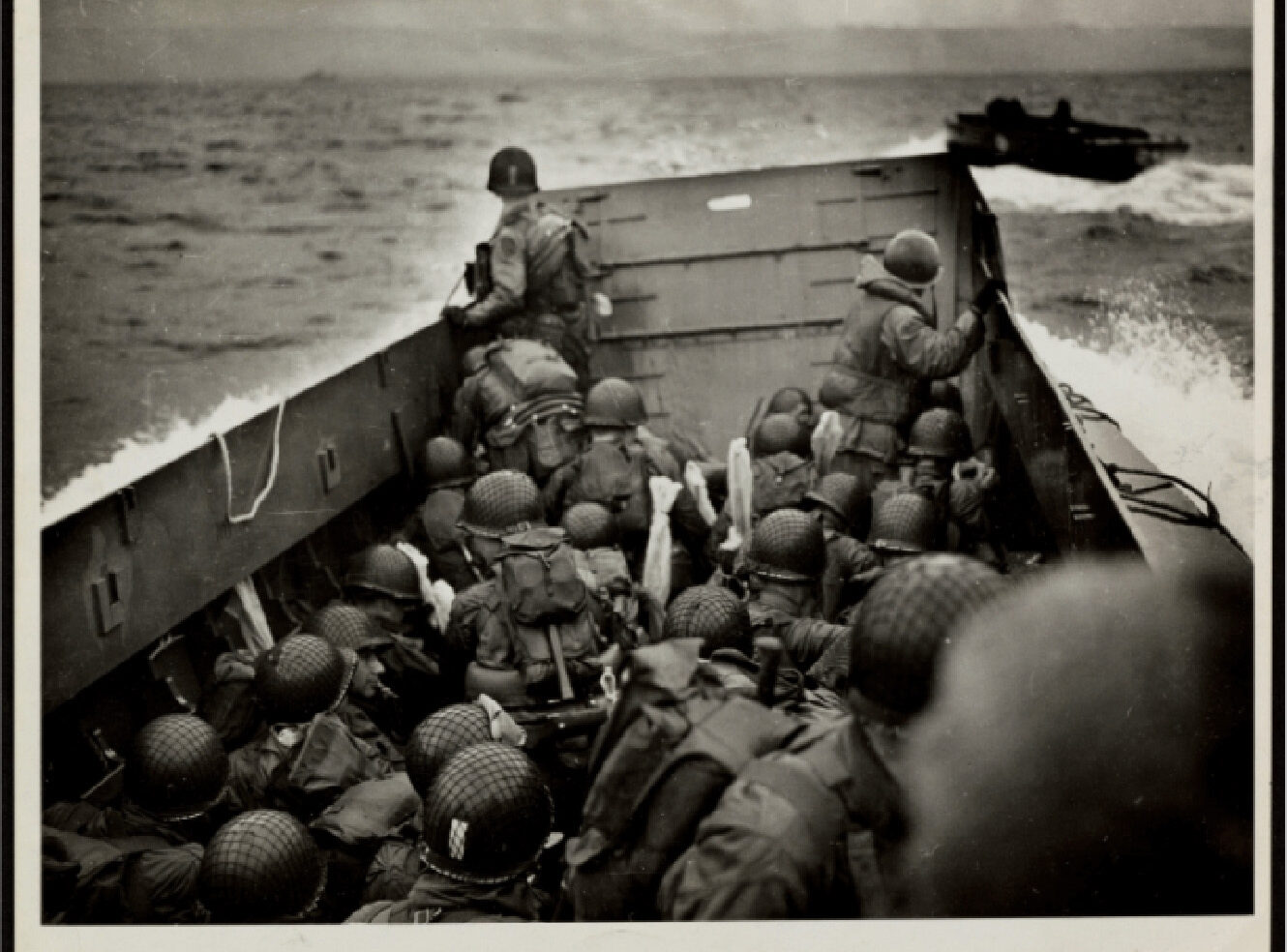 Taxis to Hell: Landing on the D-Day Beaches
On the chilly morning of 6 June, 1944 – D-Day – massed Allied forces attacked the Nazi-occupied coast of Normandy. It was the largest seaborne invasion in history and a pivotal moment of World War Two.
-
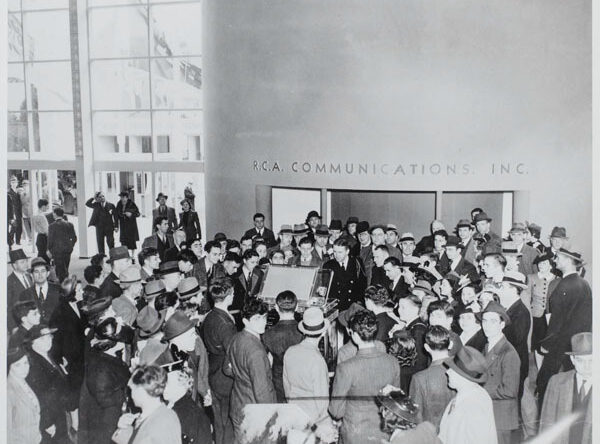 The moon always shines on TV
On 20 July 1969, the words “that’s one small step..." were broadcast live to the masses, and the world knew that man had landed on the moon. The Apollo 11 mission had finally given the US the upper hand in the Space Race, more than a decade after the Soviet Union declared its intention to launch a satellite.
-
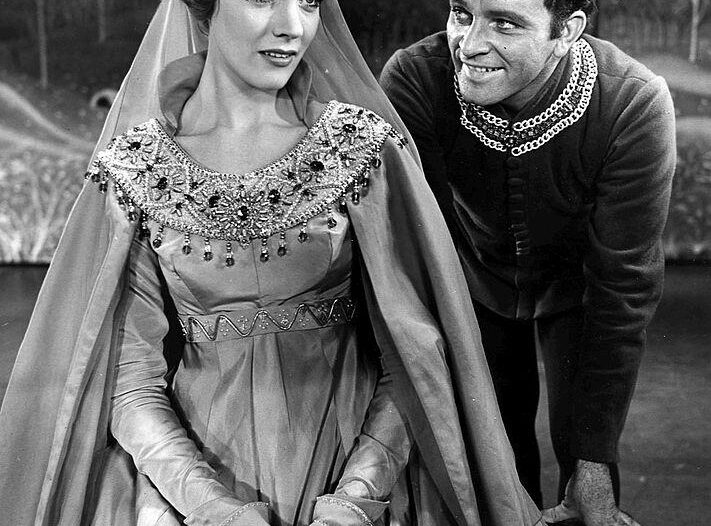 Arthur, le Roi des Britons: The Influence of French Literature on England’s Greatest National Myth
The Adam Matthew collection Arthurian Legends and the Influence of French Prose Romance, one of fifteen collections in Research Source: Medieval and Early Modern Studies, offers an insight into how one of England’s most famous nation-making myths was not only shaped, but transformed, by the literature of France.
-
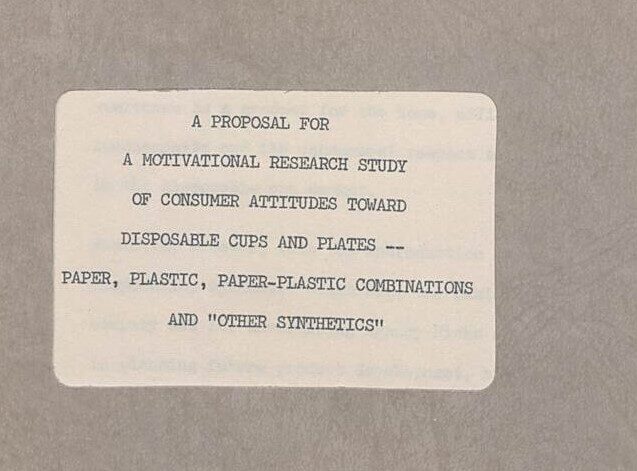 Plastic Free July: Selling Plastic
In line with recent pleas to cut down on our consumption of single-use plastics, this month marks Plastic Free July. Anybody who’s been to the supermarket recently or tried to figure out recycling will realise how ingrained this material now is in our lives, as we shop for our plastic covered fruit and vegetables and try and figure out if we can recycle our yoghurt pots.
-
 The Treaty of Versailles: differing perspectives
One hundred years ago today, and after six months of protracted negotiations at the Paris Peace Conference, the Treaty of Versailles was signed.
-
 My drops of tears I'll turn to sparks of fire: Burning down and building up the Globe Theatre
On 29th June 1613, a theatrical cannon misfired during a performance of Henry VIII and set fire to the thatch of the Globe Theatre, engulfing the roof in flames. Within minutes, the wooden structure was also alight, and in under an hour the Globe was destroyed.
-
 The Toxin of Chernobyl
Explore how HBO's hit series Chernobyl compares to The Toxin of Chernobyl, a 1987 Soviet documentary. Discover the stark contrast between modern dramatisation and historical propaganda as both productions examine the enduring realities of nuclear disaster.
-
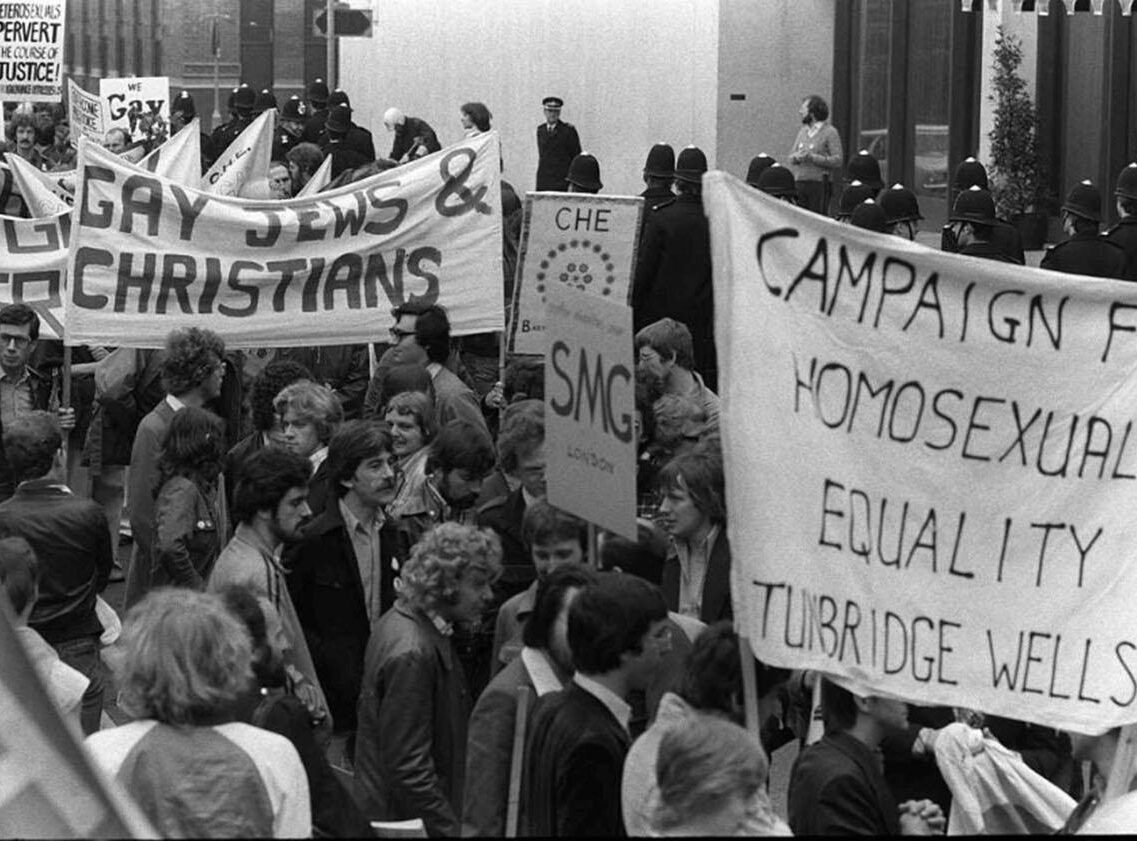 Pride and prejudice: Remembering Stonewall
Dive into the rich history of Pride month, from the pivotal Stonewall riots of 1969 to the ongoing fight for LGBTQ+ rights. Explore key social and political changes through historical documents from the 1960s and 1970s, and understand the progress and challenges faced by the LGBTQ+ community.
-
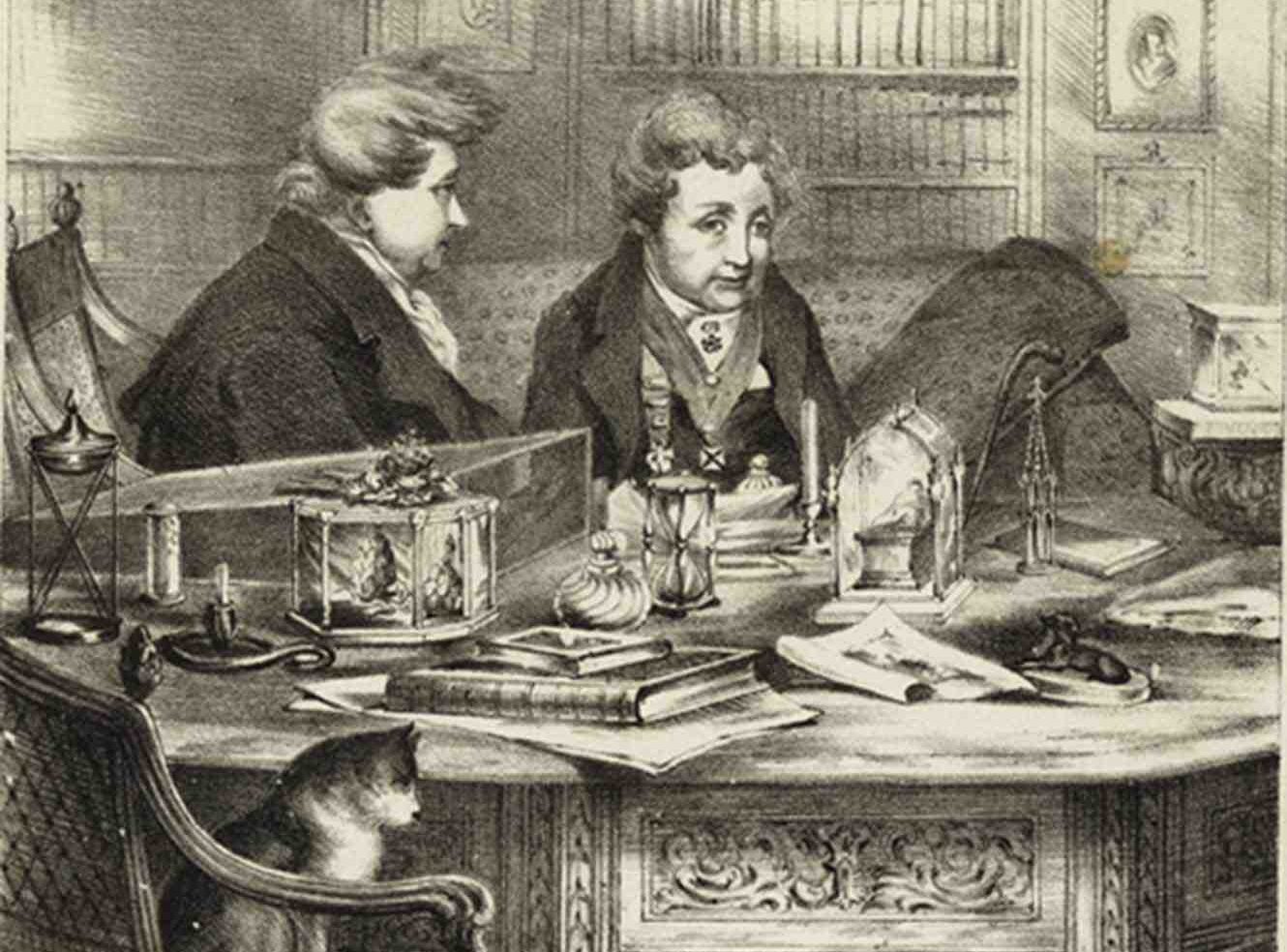 Extraordinary Instance of Female Friendship: Female Romance Before Gentleman Jack
The BBC drama 'Gentleman Jack' starred Suranne Jones – all cheekbones, wry smile and top hat – who thoroughly embodied the eponymous character. Anne Lister is one of history’s most iconic lesbian figures; her coded diaries shattered everything we thought we knew about nineteenth century “lesbianism” upon their rediscovery in 1933. Iconic female romances existed in Britain long before Lister’s notorious love affairs, however, and one such story can be found in our Defining Gender resource.
-
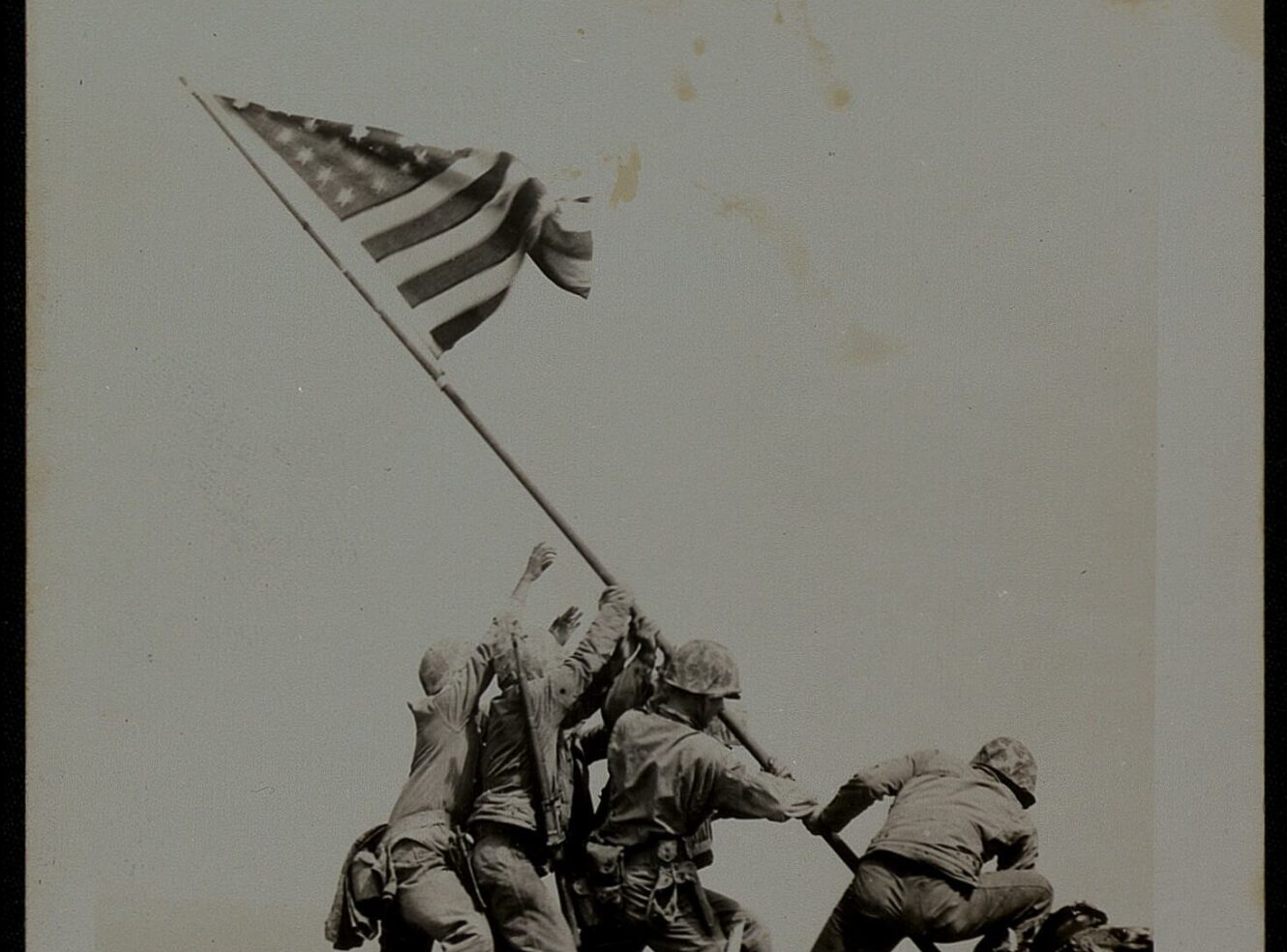 Raising the Flag on Iwo Jima
The Battle of Iwo Jima was one of the deadliest battles of the War in the Pacific. Whilst only a small island, it held great significance to both sides. For the United States, it offered a position to advance an aerial campaign towards Tokyo. For the Japanese, Iwo Jima had a symbolic meaning, as it was the first Japanese national soil to face foreign invasion.
-
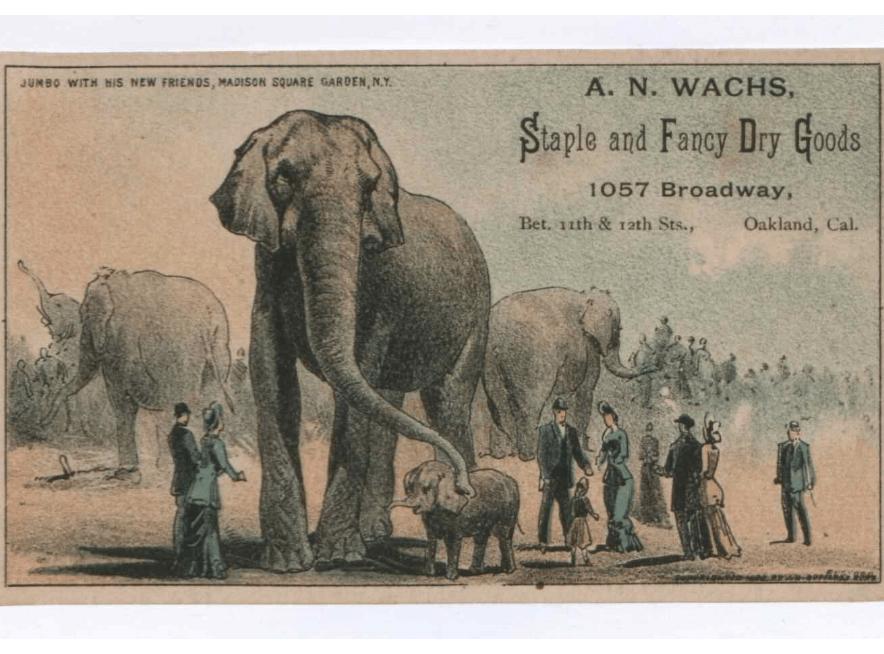 The Real Life Dumbo
After a recently watching Disney's 1941 film Dumbo, I was intrigued to find out more about the origins of the film and the circuses that rose to popularity in the nineteenth century, and what better place to look than our fascinating Victorian Popular Culture resource.
-
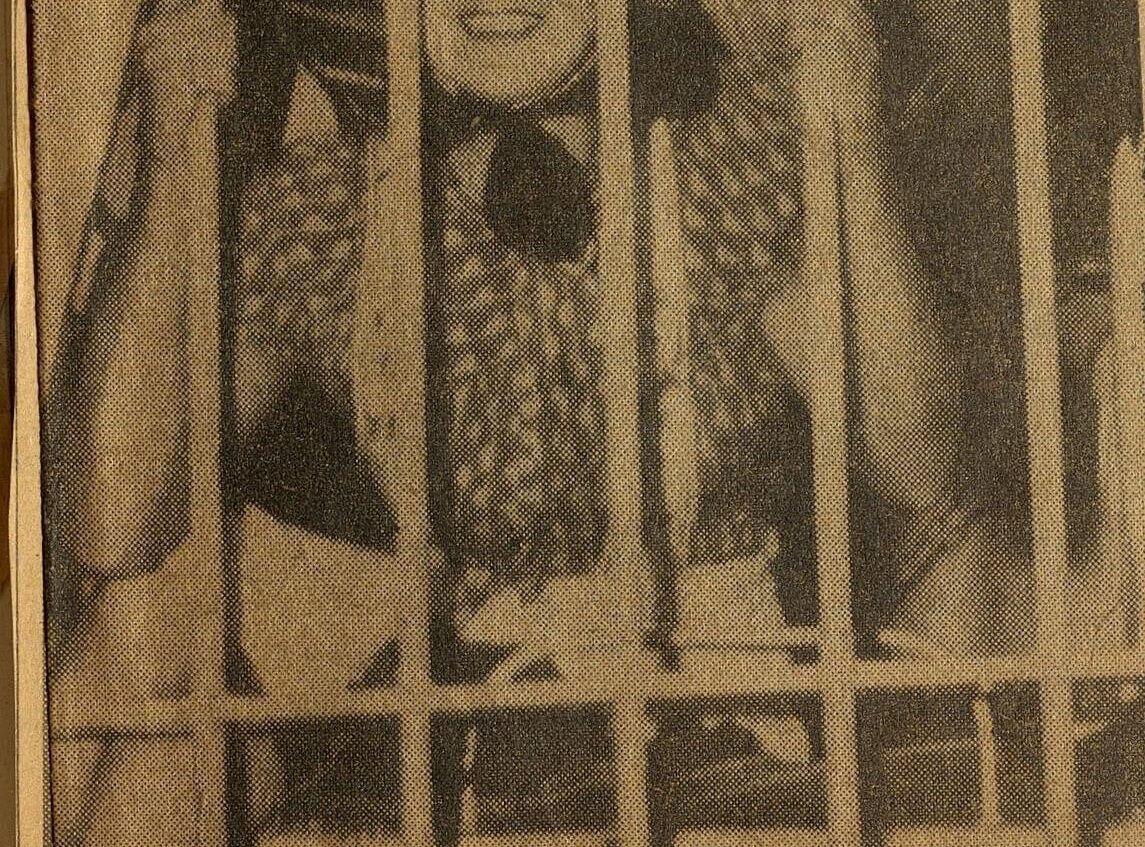 Skating away from war: The Four Hollywood Blondes tour Europe, 1939-40
Although the outbreak of hostilities in Europe in September 1939 led the United States’ diplomatic mission to organise an evacuation of American citizens from Germany, the Four Hollywood Blondes, a rollerskating troupe on a tour of Europe, were among those who stayed, owing to contractual obligations with Berlin theatres. Their tour took in performances in Italy, Germany, Switzerland, the Netherlands, Belgium, Denmark and Sweden, before a refugee ship brought them home to the United States.
-
 Salvage for Victory: Lessons on Recycling and Waste Reduction from Wartime America
While one might be forgiven for thinking the growth of public interest in waste reduction was a recent phenomenon, the concepts of waste management and recycling are anything but new.
-
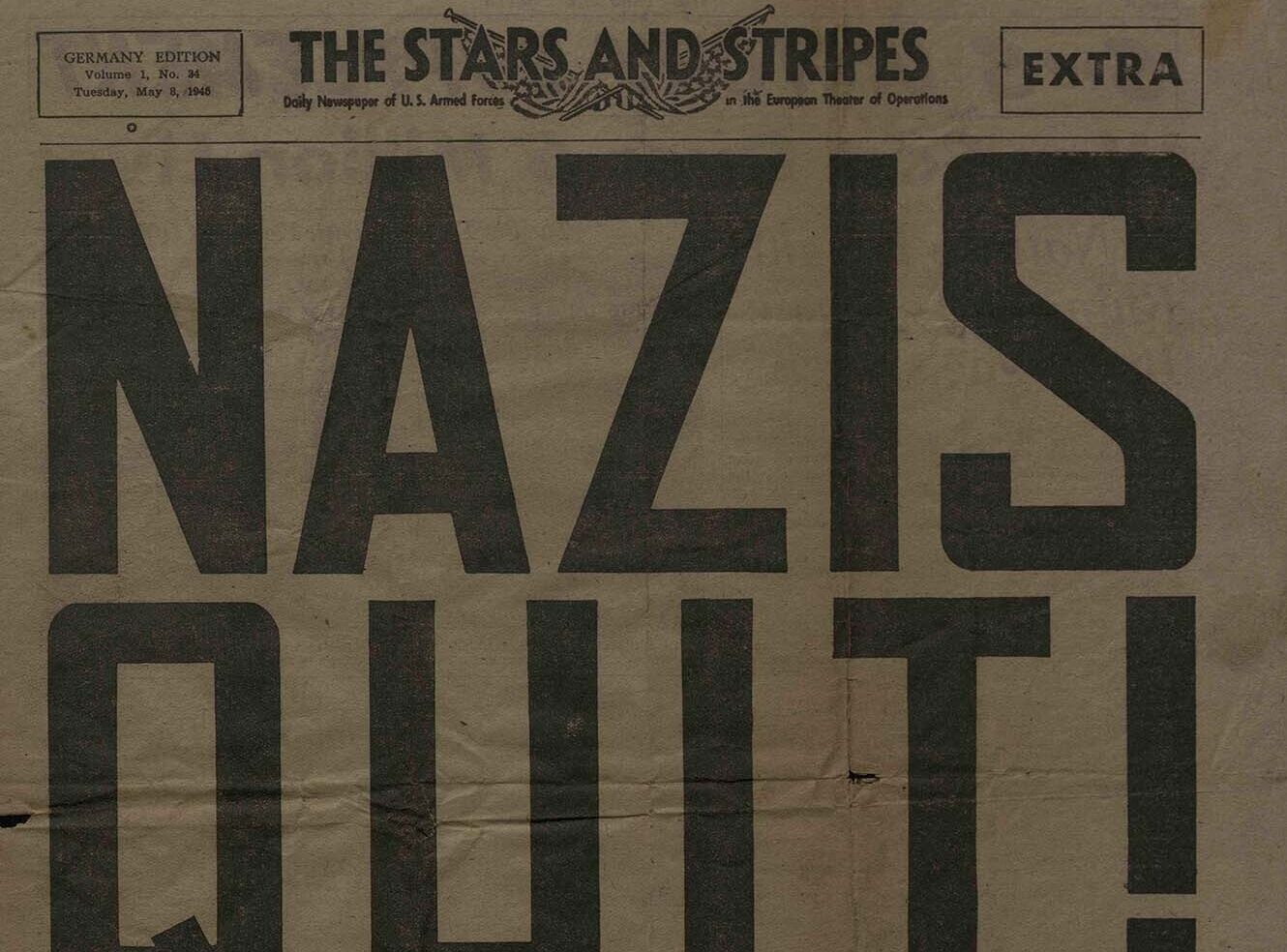 Looking for Cognac and someone to kiss: Celebrating VE Day
This week saw the 74th anniversary of VE Day, the formal acceptance by the Allies of Nazi Germany’s unconditional surrender. Famous photographed moments live on in public memory; a sailor kissing a nurse in Times Square and soldiers dancing in London conjure up an image of all out celebration. For millions of people around the world, this was the case, but as documents from the newly published America in World War Two: Oral Histories and Personal Accounts reveal, reactions to victory in Europe were more nuanced than this.
-
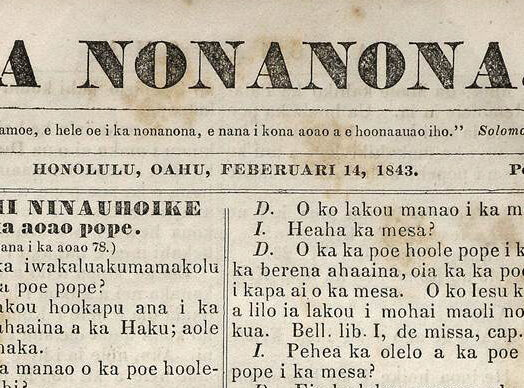 He Hōʻiliʻili Hawaiʻi: A brief history of Hawaiian language newspapers
Prior to foreign arrival, ʻŌlelo Hawaiʻi (Hawaiian language) was a completely oral language, memorised and passed down from generation to generation via the spoken word. Discover the evolution of ʻŌlelo Hawaiʻi in this guest blog by J. Hauʻoli Lorenzo-Elarco.
-
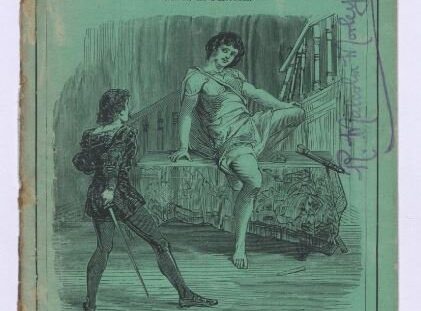 Playing God: Richard Brinsley Peake and the Fate of Frankenstein on stage
Rivalled only by Bram Stokers Dracula, Mary Shelley's Frankenstein has been adapted for film, television, radio, opera and theatre. The first of these adaptations (at least those recorded) however, is perhaps just as influential as the novel which spawned it.
-
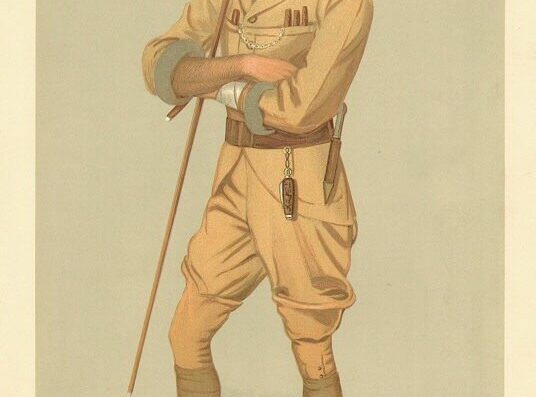 Sub-Contracting Empire: F D Lugard
Sub-contracting might seem like quite a modern phenomenon, indeed many of the world’s biggest companies have built their entire business model around outsourcing and subcontracting
-
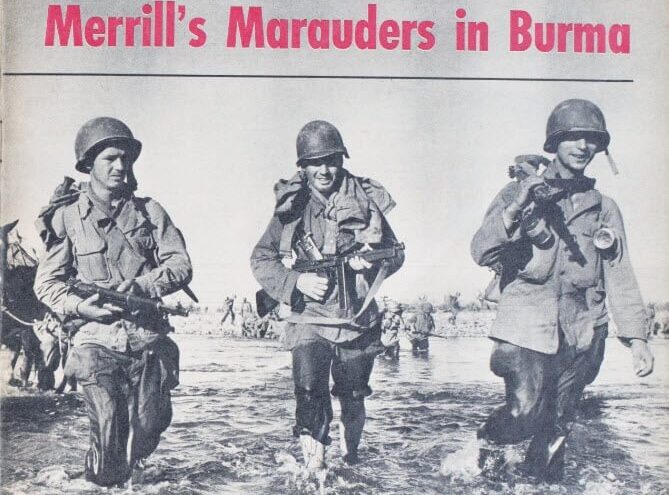 No Front Line in Sight: Reporting on Merrill's Marauders
With the upcoming publication of the second module of Service Newspapers of World War Two, we find a report in Yank: The Army Newspaper from Sgt. Dave Richardson. Richardson spent over three months in the dense Burmese jungle fighting alongside men of the 5307th Composite Unit (Provisional).
-
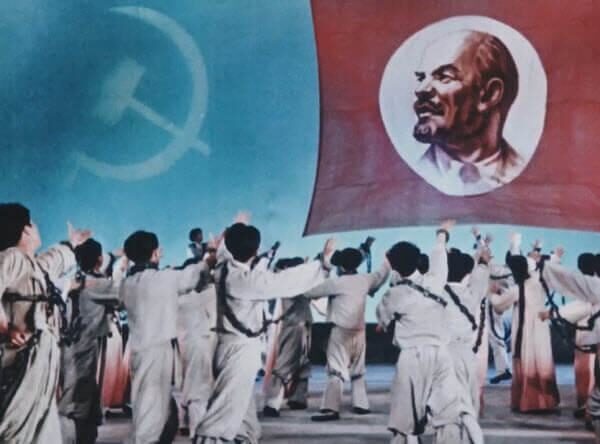 Bear ahoy! 6 Moments of Soviet Kitsch
This week Culture & Society, the third and final module of Socialism on Film, launches. Comprising documentaries produced in states such as the Soviet Union, China, Cuba and Vietnam, it touches on themes including the arts, sport, everyday life, youth and education, providing Western audiences an unparalleled insight into life behind the Iron Curtain. Rigorous and informative documentaries focussing on healthcare, women’s work, environmentalism and politics can also be found in this collection, but today, we hope you’ll forgive us a few moments of glorious kitsch.