

National University of Singapore: Developing research skills across disciplines
As a senior tutor at the National University of Singapore, Dr. Matthias Wong teaches a module in digital humanities methodologies to students from a wide range of disciplines.
This diversity brings both richness and complexity to his classroom. Many students begin his module with very different levels of experience in using archives or analysing primary sources.
With only a few hours of seminar time each week, Dr Wong needed to ensure that everyone started from a shared methodological foundation, while still leaving room for deeper discussion and analysis. To address this, he integrated AM Research Skills into his teaching. The resources provide students with structured learning tools, expert-led case studies, and practical exercises, giving them the foundational knowledge and analytical guidance they needed before coming to class. This allows seminar time to focus on in-depth exploration and applied analysis.
[AM Research Skills] is a collective library of experiences that students can explore; it is like having a 1-1 conversation with someone who has worked in the field for years before them.
Through its ‘Learning Tools’ section, students encountered accessible introductions to key research approaches such as how to organise archival work, analyse quantitative data, or research underrepresented groups. These tools prepared students to participate in class on an equal footing, regardless of their background or discipline.
Equally valuable were the platform’s essays and interviews with experts working across different fields of study. These resources offered a “library of experiences” that exposed students to a variety of perspectives, allowing them to see how methodologies are applied in different contexts.
To complement these materials, Dr Wong includes his own AM Research Skills Case Study in his reading list for the class. Focusing on two eighteenth-century newspapers, the Asiatic Mirror, and Commercial Advertiser, and Harrop’s Manchester Mercury, the case study demonstrates how an expert would approach analysing a source. It guides students through initial steps and questions such as understanding a source’s provenance, framing interpretive questions, and building an argument from the evidence. Students are then provided with ideas for further research considerations and a bibliography, as a starting point for continuing the research themselves. By working through the examples before class, students arrived prepared to engage with methods in practice, leaving the seminar free for deeper discussion and critical reflection.
[The case study] distilled the way that I work with these sources into an essay form that I can use with my students asynchronously, so I don’t have to go through that entire process in class.
After class, students continued their learning through the ‘Practice Sources’ section, where they could apply the techniques modelled in the case studies to new materials. This step reinforced the skills gained and encouraged independent exploration which allowed them to progress from guided analysis to original research ideas.
Students who began the course with little or no experience of working with primary sources gained the confidence to analyse diverse materials and propose their own research projects. The platform helped to standardise essential research skills while also broadening students’ exposure to methods from beyond their immediate disciplines.
As a result, class discussions became more focused and productive. With the groundwork already in place, students could spend their seminar time engaging with specific questions and challenges rather than covering basic techniques. Dr Wong observed that even students from non-history backgrounds were able to adapt the methodologies introduced through AM Research Skills to their own fields - some producing textual analyses, others creating visual or data-driven research outputs such as maps.
Dr Wong reflected that AM Research Skills distilled his approach to primary source work into a reusable, asynchronous format. By using AM Research Skills, students from diverse disciplines and varying experience gained a shared methodological foundation in advance of the seminars, protecting class time for Dr Wong to teach at a deeper level.
If I were to teach a course entirely on research methodology, I would depend on AM Research Skills.
For more information about AM Research Skills, including pricing, please request a demo.
Recent posts
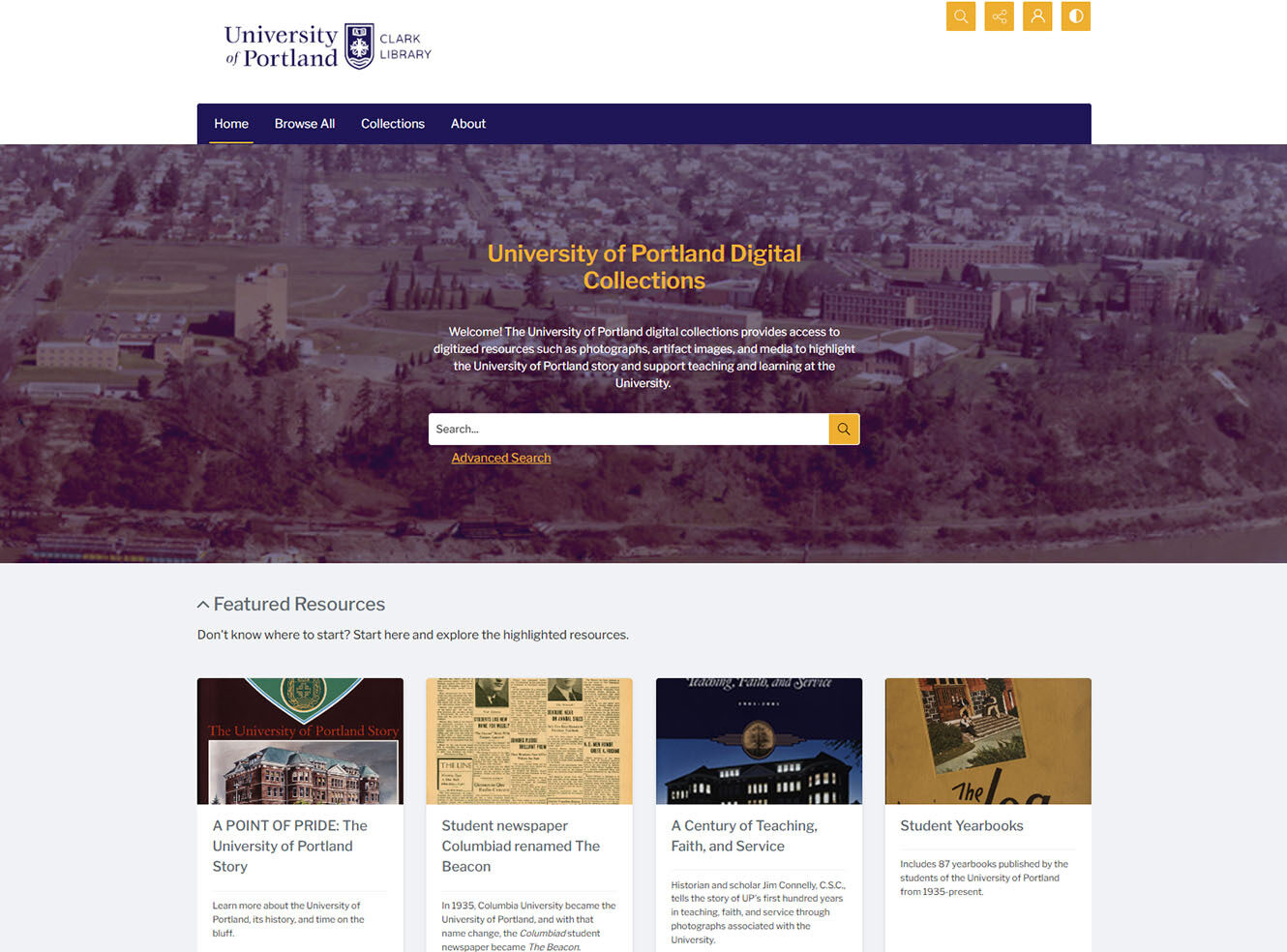
The University of Portland consolidated its digital assets and Scholarly Institutional Repository into a single, unified platform using AM Quartex, addressing inefficiencies and improving user experience. This transformation eliminated information silos, streamlined workflows and significantly enhanced the accessibility and discoverability of digital assets for both administrators and end-users.
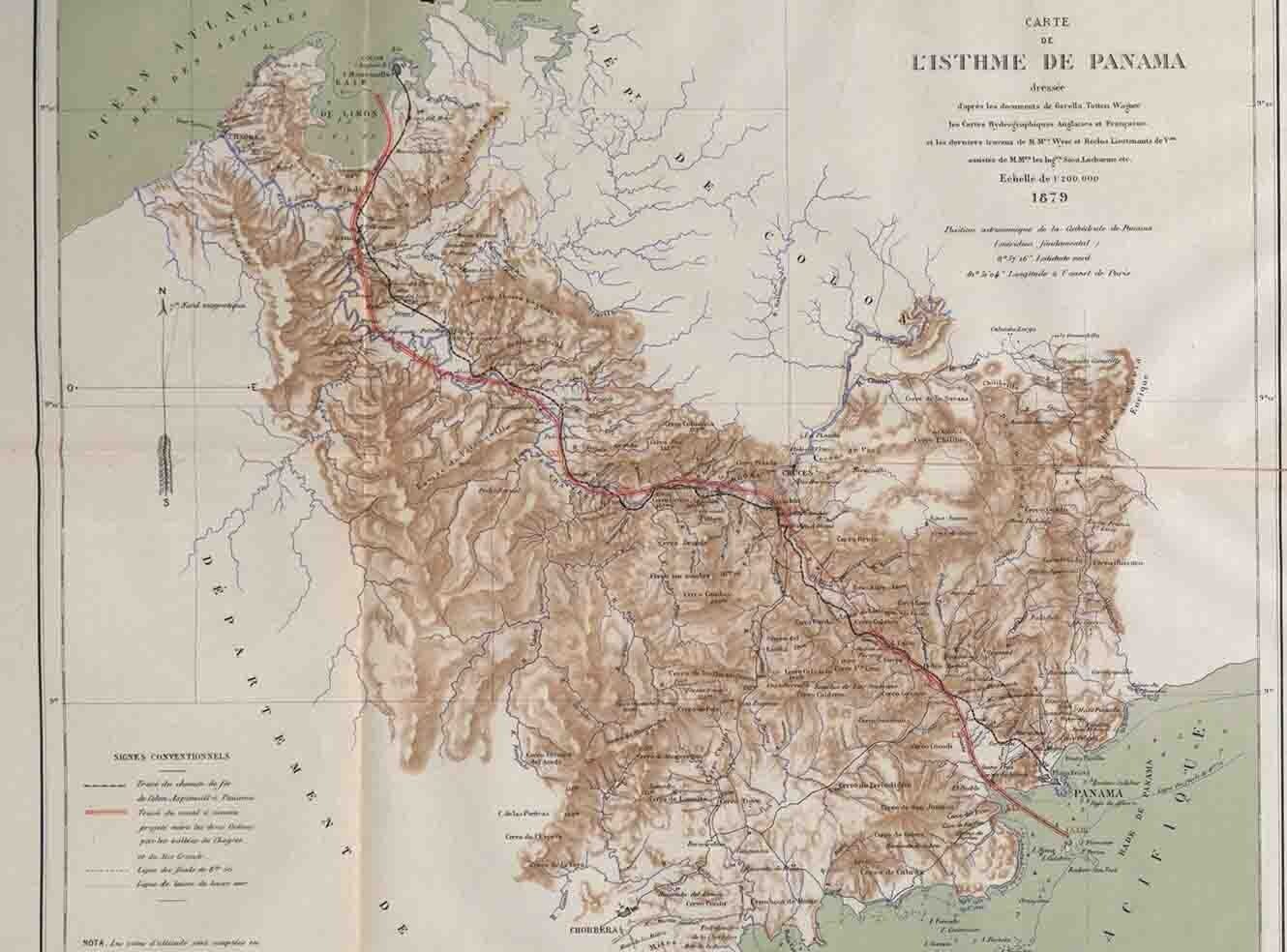
Professor María Cecilia Zuleta shows how Confidential Print: Latin America has advanced multidisciplinary research at El Colegio de México, analysing links between foreign trade, economic modernisation, and the rise of fossil-based economies.