

Taxis to Hell: Landing on the D-Day Beaches
The D-Day landings took place on 6th June 1944 and started the fight to begin the liberation of Europe. Commemorations since have paid tribute to the heroism and raw courage of those who took part. The risks involved that day were incalculable and the struggle to prevail desperate. 156,000 men were transported to France to push back the Nazis, and before the first sunset, 10,000 lay wounded and 4,400 had lost their lives.
The danger when dealing with such huge, stark numbers is that we overlook the individuals who risked everything to win the Allies a foothold in occupied France. One set of iconic photographs, however, housed at the National WWII Museum in New Orleans and digitised in AM’s America in World War Two: Oral Histories and Personal Accounts, takes us right in amongst the men who were there.
The richly atmospheric images of the Jeffery and Mary Cole Collection place the troops front and centre of the narrative. One well-known photograph shows American soldiers – cold, soaked, tightly packed, and hunkered down behind the bulwarks of a landing craft as it surges through the waves towards Normandy. Not for nothing were these boats dubbed the ‘taxis to hell’.
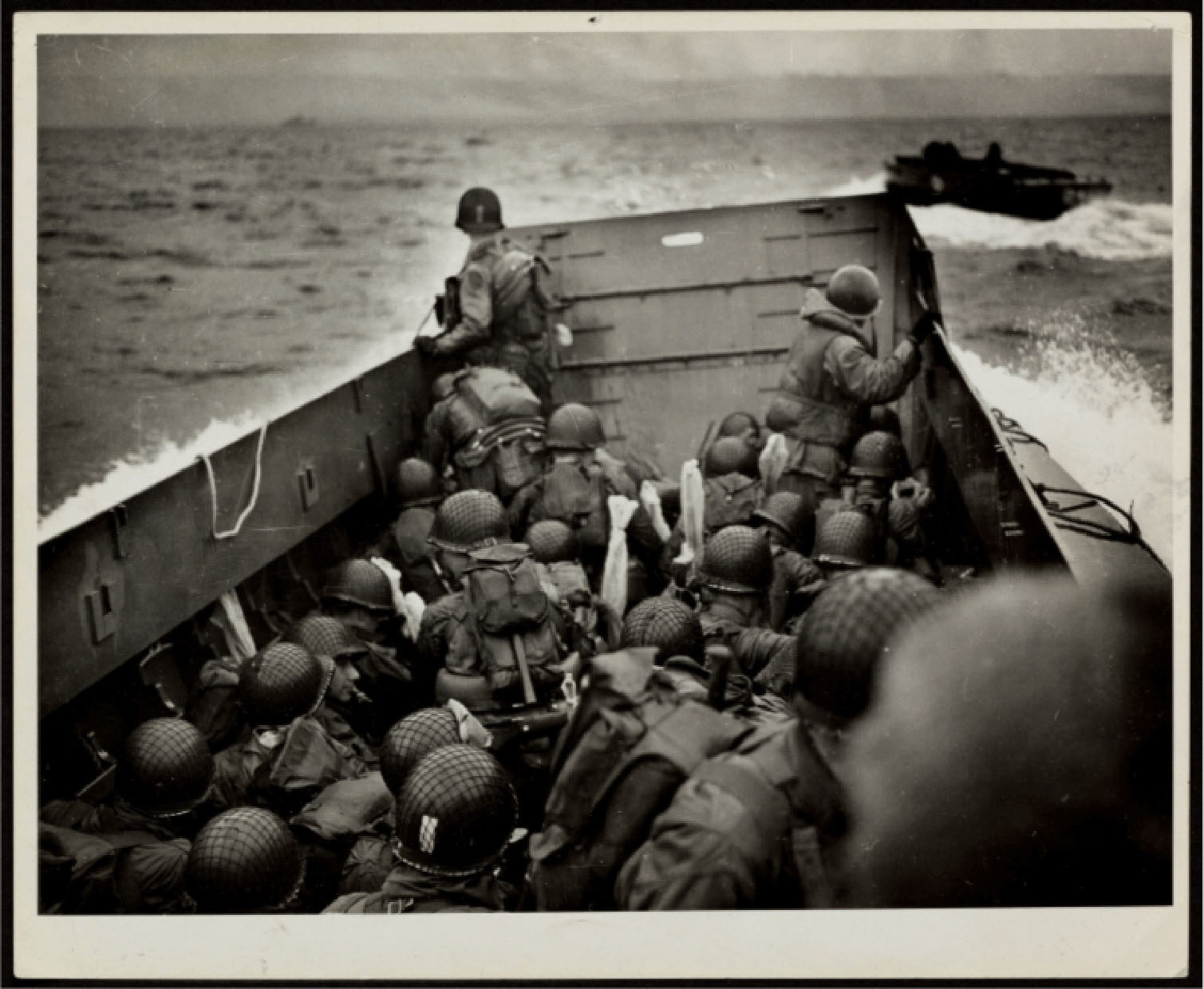
Image © The National WWII Museum. Further reproduction prohibited without permission.
A famous second image shows these sons, brothers, fathers, and friends just minutes later, pushing through waist-deep surf toward the beach and ‘into the jaws of death’, as the image is captioned. The heavy skies and smoke make it hard to identify everything you see at first, but a closer look reveals other men already ashore, lying low under the incessant hail of enemy fire.
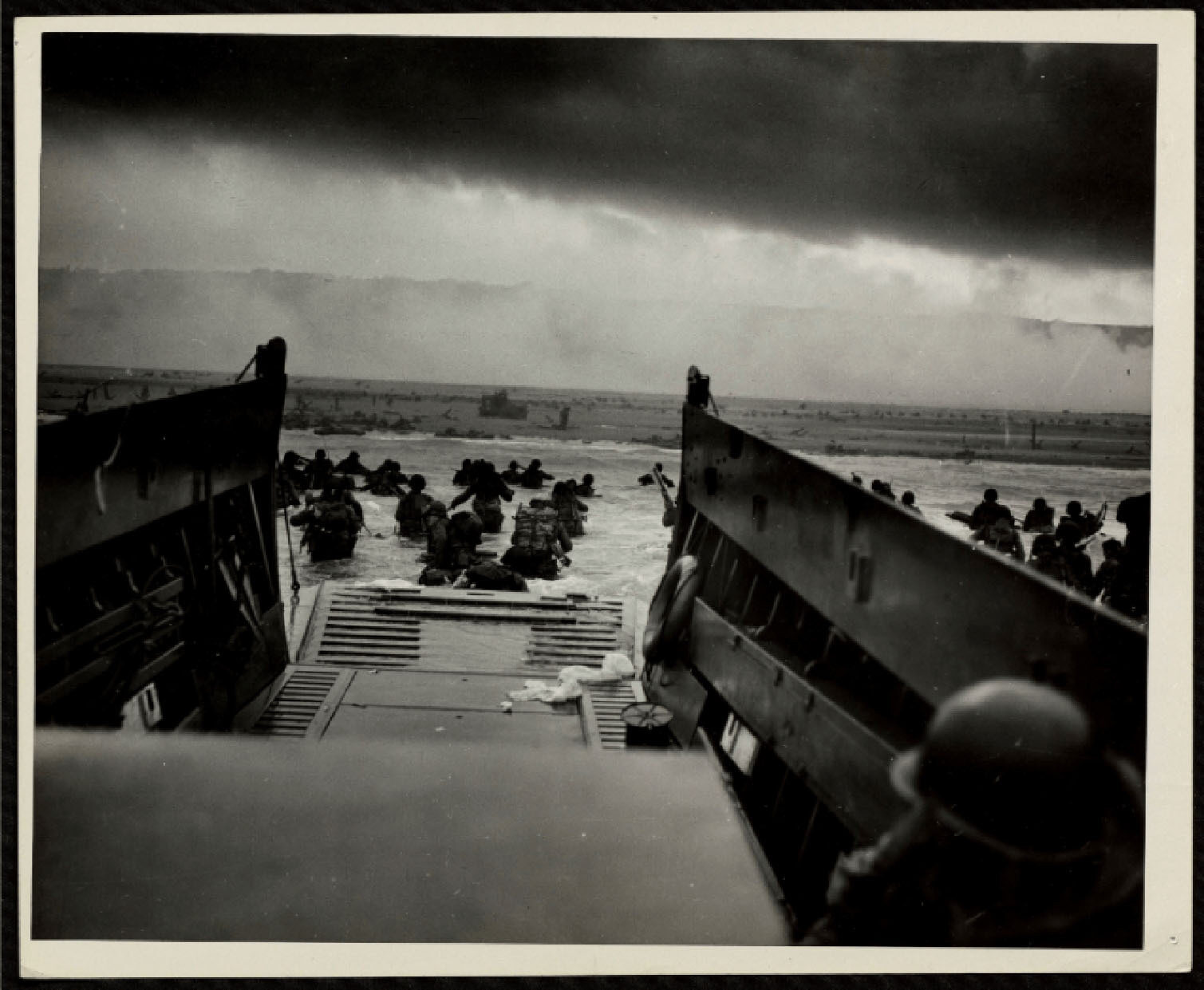
Image © The National WWII Museum. Further reproduction prohibited without permission.
A third image, darker and more ominous still, shows landing craft disgorging yet more men into the fight. Individuals are indistinct but, as you find yourself getting drawn into the picture, here their individual struggles to make it to the beach become epic.
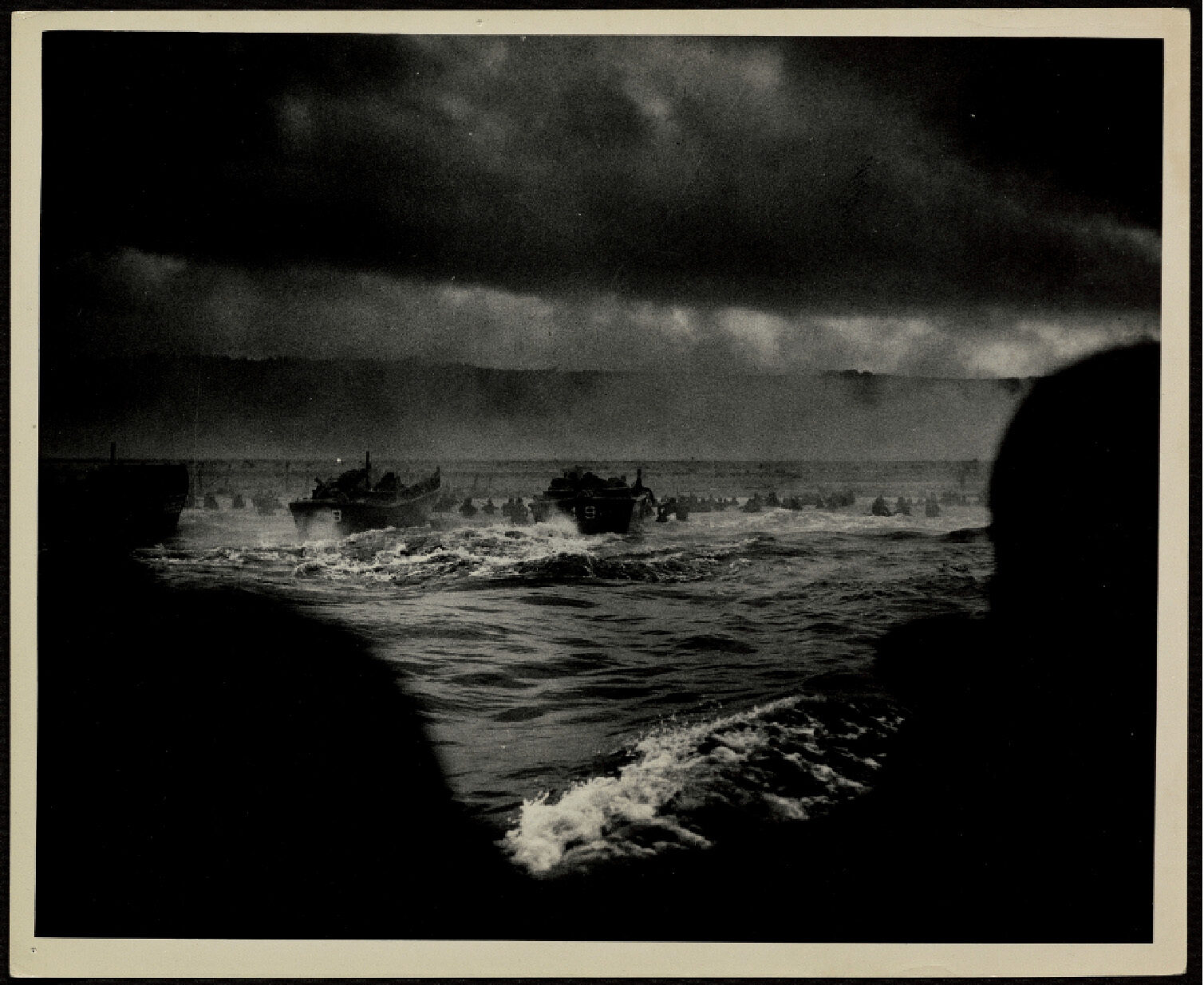
A photograph taken days later has a distinctly different mood. Men still wade ashore, but the Nazi defenders are gone. A man looks back to sea in a moment of reflection, and the clouds begin to part. Order and relative calm have supplanted chaos. The liberation has begun.
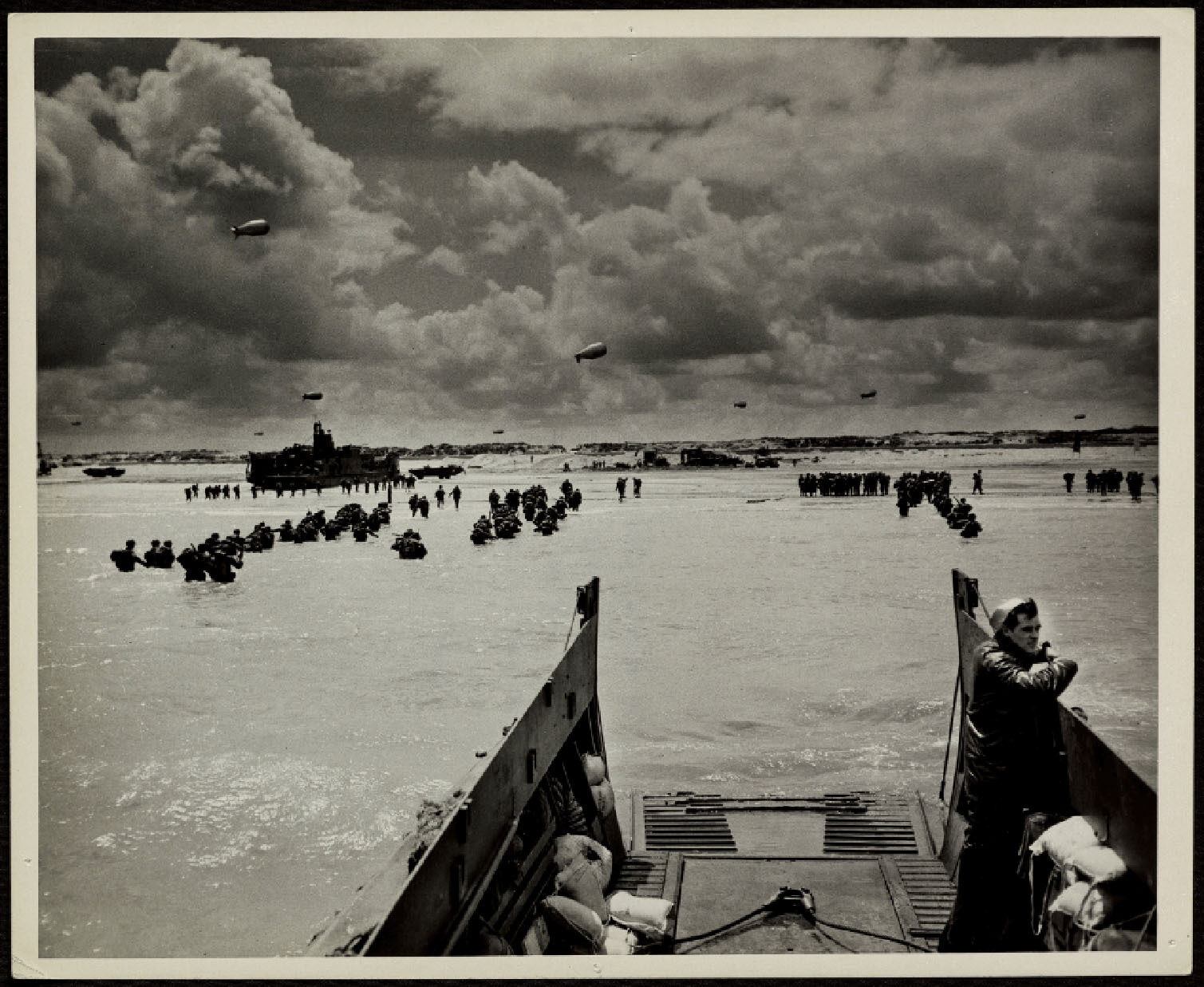
Published alongside these famed frames, extensive collections of equally moving photographs, correspondence, oral histories, diaries, military records, and artefacts allow us to follow the personal experiences of countless other American military personnel and civilians throughout the course of World War Two.
For more information on America in World War Two: Oral Histories and Personal Accounts, including pricing, please request a demo.
Recent posts

Noor Inayat Khan's story, revealed through wartime intelligence records, uncovers the realities of espionage and the extraordinary courage of a woman whose legacy challenges how we remember the Second World War.

Discover how Shakespeare’s earliest screen adaptations were never truly silent. Explore newly accompanied films and an early sound experiment featured in Shakespeare in Silent Film.