

Blog
Advice and expertise from AM, and special guest posts by leading archivists, academics and librarians from around the world.
-
TitleDescriptionDate
-
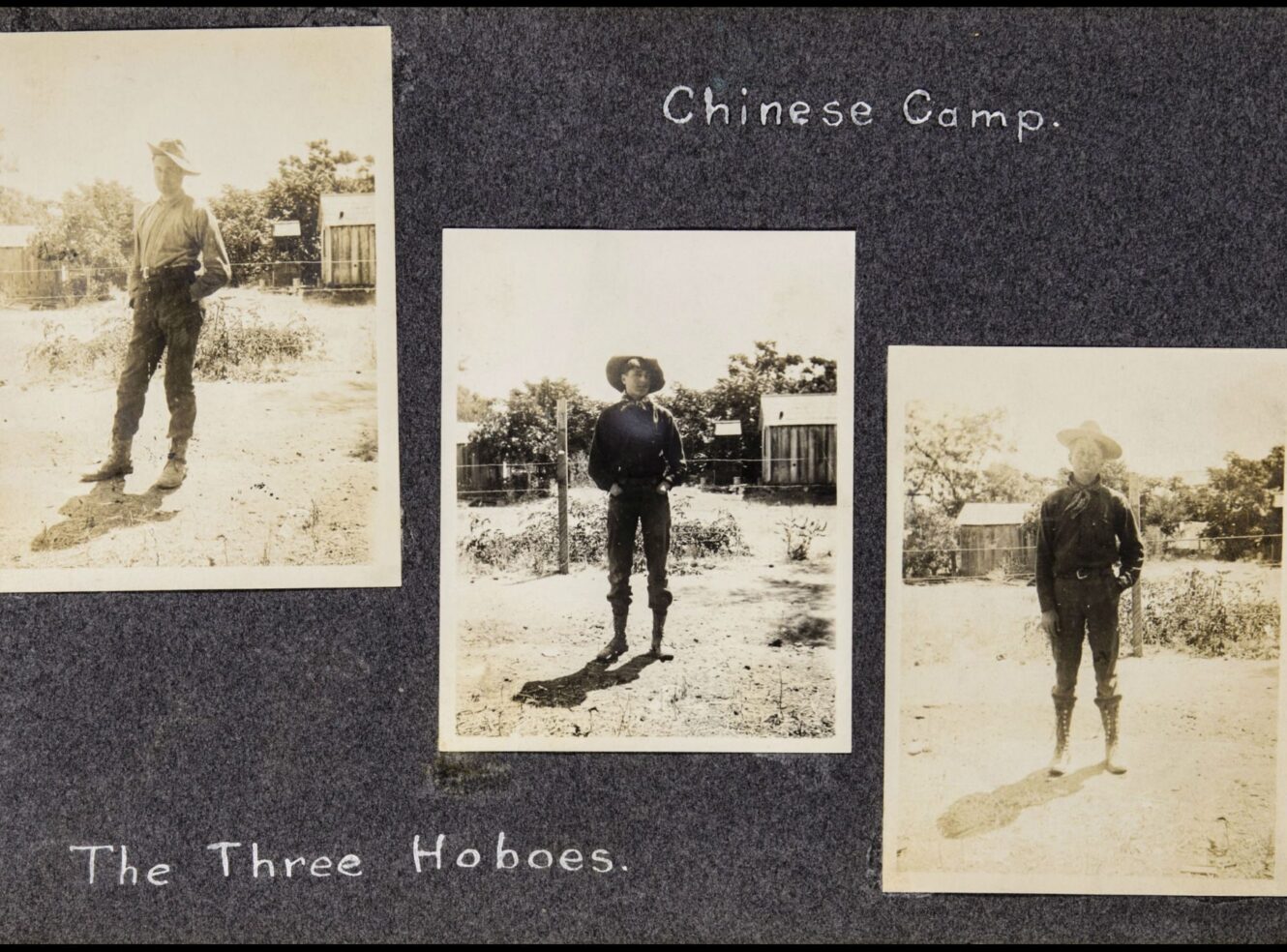 Three Go Camping in Yosemite
Summer 2016 will see the release of Adam Matthew’s History of Mass Tourism, a highly visual and searchable collection celebrating the growth of tourism from the mid-1800s to 1960s. One of the treasures found in this resource is a photograph album belonging to a young Alfred Ghirardelli, heir to the Ghirardelli chocolate empire, depicting a trip to Yosemite in the summer of 1903.
-
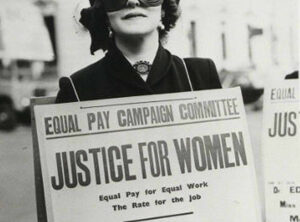 Guy Fawkes the Feminist
Excuse me - late to the party, as always - but last week, International Women’s Day, the annual celebration dedicated to championing 50% of the population for 0.27% of the year, rolled around once again.
-
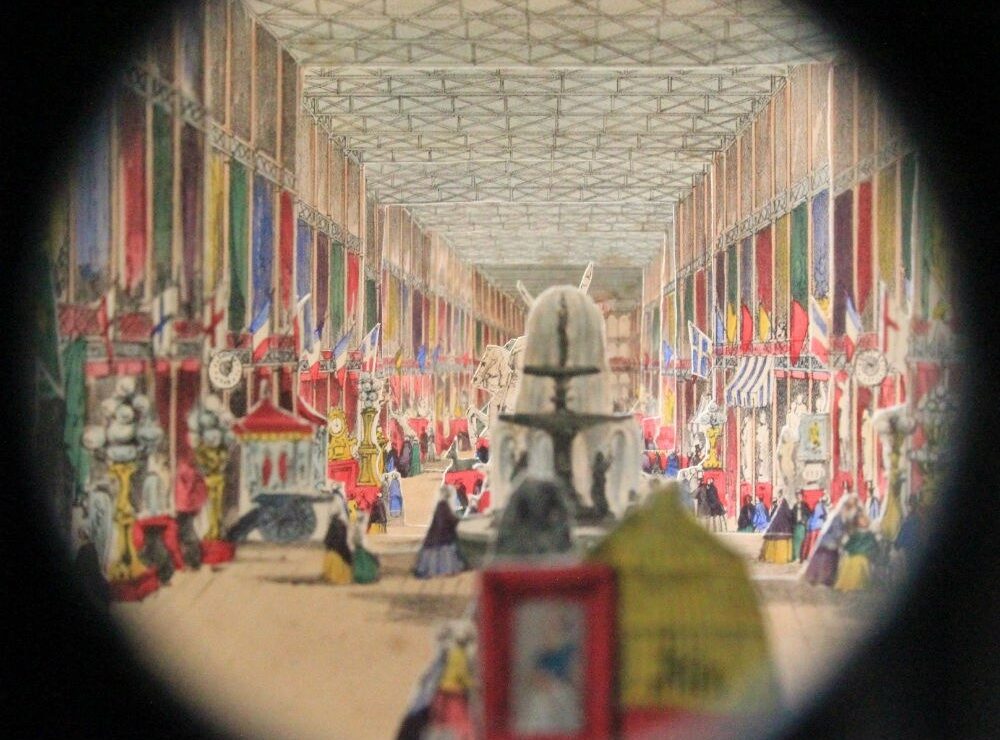 A Peep Into The Great Exhibition of 1851An item I assessed back in 2014 provided a challenge in terms of how to digitise it; Spooner’s Perspective View of the Great Exhibition is a folding concertina peepshow. It is made of ten pieces of card, each with a different layer of a scene from inside Crystal Palace, where the 1851 Great Exhibition was held (widely regarded as the most influential single event in the history of design and industry). Folded out and viewed through the peephole, these pieces make up a three-dimensional perspective of a long architectural gallery.
 -
 The Australian ‘Colonial Experiment’
On the afternoon of 26 January, 1788, a fleet of eleven vessels under the command of Captain Arthur Phillip entered what today is known as Sydney Harbour and started what was later described as ‘a new colonial experiment, never tried before, not repeated since’.
-
 The Cyrus Cylinder: celebrating 2,500 years of the Persian Empire
In 1971, the Shah of Iran threw a party the likes of which the world had rarely before seen. Featuring roasted peacocks, a city of silk, and Italian son et lumiere amusements, it celebrated 2,500 years of the Persian Empire, dating back to Cyrus the Great.
-
 St. Louis: the 'Northern City, with Southern Exposure': A special guest blog by Priscilla A. Dowden-White
Newly arrived African-American migrants to St. Louis during the opening of the Great Migration became part of an established cosmopolitan community. But while a major centre of social welfare progressivism, St. Louis was also particularly wedded to residential segregation.
-
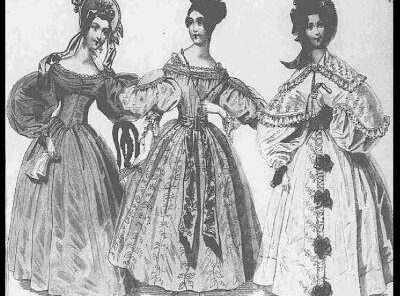 In need of some advice?
I think it’s fair to say we probably all need a little advice from time-to-time and in this modern world there seems to be no shortage of professionals, books, websites and television shows to turn to when we need a little guidance. But this is by no means a modern phenomenon; guides offering advice have been circulating for centuries.
-
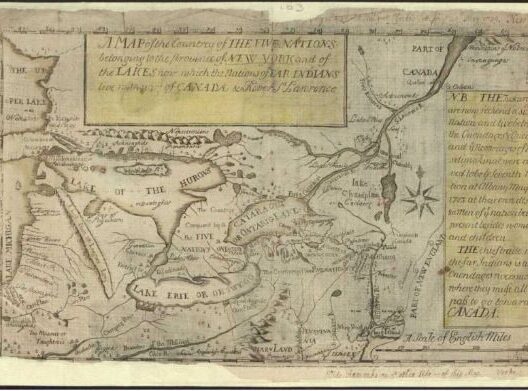 Dealing with Distance from the Archives through Digitization: A special guest blog by Craig GallagherTo access and make use of manuscript documents in the archives, historians have to deploy a variety of skills they have acquired in their training. Chief among these are the ability to navigate manuscript catalogues that are often labyrinthine, decipher the frequently challenging handwriting of historical figures, and read these materials critically in the political, social, and even curatorial context in which they were produced and catalogued.
 -
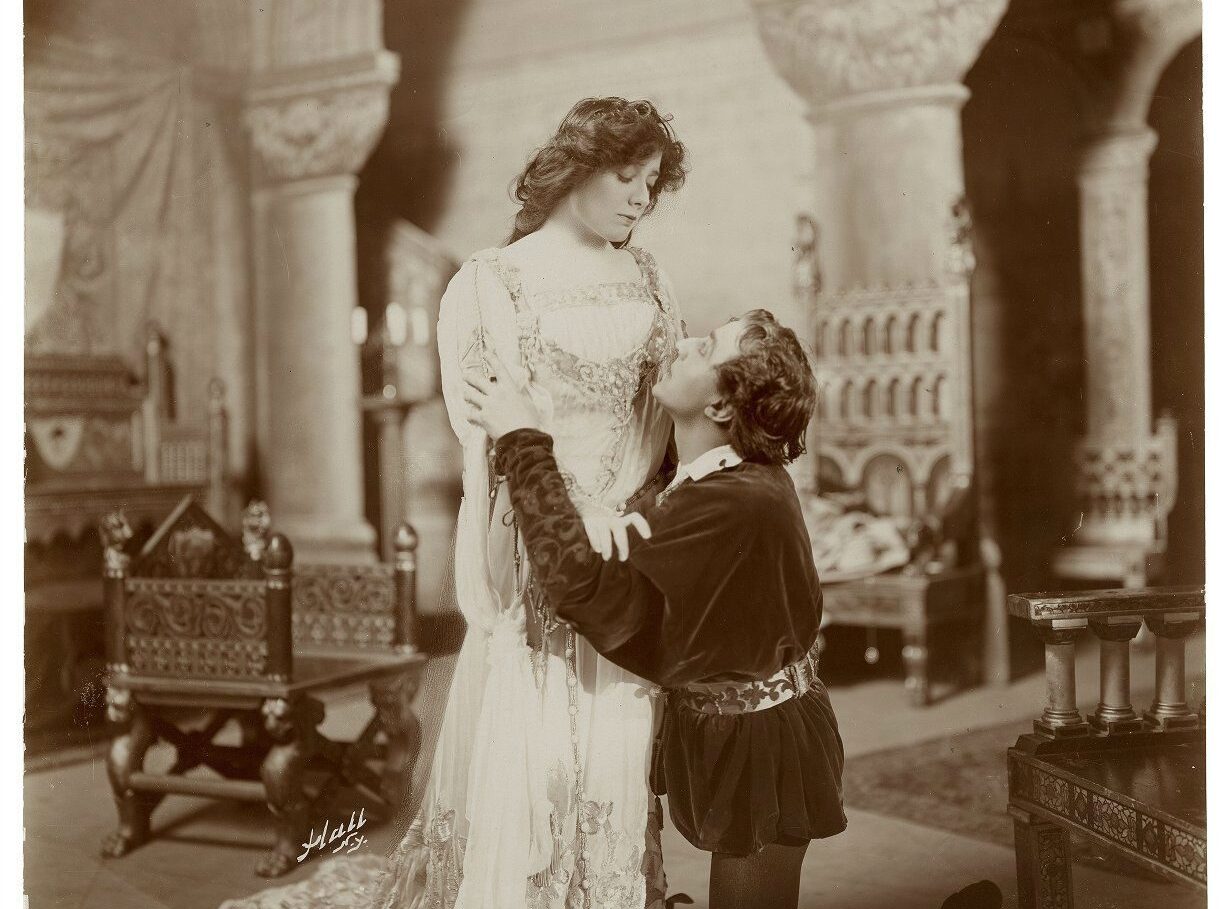 'Love me or hate me': the perils of theatrical marriageSometimes it's easy to think that the obsession with glamorous celebrities and their lives behind the scenes is purely a modern phenomenon, aided and abetted by social media and reality TV shows. But as I've been working on material for the upcoming Shakespeare in Performance resource, it's very clear that this phenomenon is timeless.
 -
 Sweet Liberty: World’s Fairs’ love affair with the Liberty Bell
The Liberty Bell has long symbolised American independence and it quickly became a star attraction far beyond its home in Philadelphia. This blog documents the bell's journey across the country as it took centre stage at major world’s fairs, drawing millions of visitors eager to catch a glimpse of this iconic national symbol.
-
 Gentlemen, You Can't Fight In Here! This is the War RoomToday marks the 52nd anniversary of the release Dr Strangelove or: How I Learned to Stop Worrying and Love the Bomb, Stanley Kubrick’s black comedy satirising Cold War anxieties of an all-out thermonuclear holocaust as a result of nuclear tensions between two countries. The film on its release predictably caused a good deal of controversy. This is hardly surprising of a film in which a crazed American General (Jack D. Ripper) manages to call for a nuclear strike against the USSR, in defence of the “precious bodily fluids” of the American people, without consulting the President.
 -
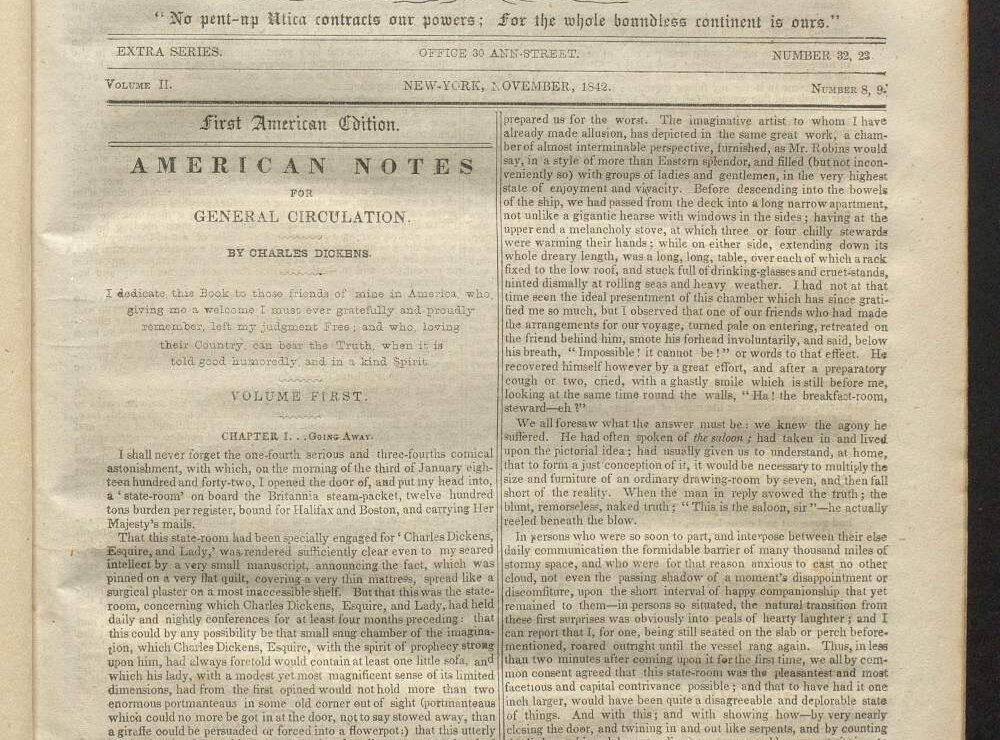 Examining America: Dickens Reviews the New World
Celebrations are in order this week at Adam Matthew, as Migration to New Worlds: The Century of Immigration has been made freely available to all UK higher and further education institutions, in an exciting collaboration with JISC.
-
 Skin for skin: Taking a closer look at Hugh Glass and the grim and grizzly nature of the American FrontierEarlier this week a few intrepid members of the team currently creating the up and coming Frontier Life collection made an expedition of their own to watch new film The Revenant. Exploring the thrilling tale of fur-trader Hugh Glass, The Revenant touches upon many themes covered in the Frontier Life collection, such as relations with indigenous peoples, trade and commerce, and of course expeditions and exploration.
 -
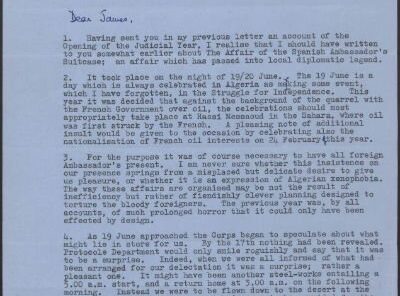 Affair of the Spanish Ambassador’s Suitcase
Published this week, Foreign Office Files for the Middle East, 1971-1981, is now available. Digitising full runs of Foreign Office files stored at The National Archives, this resource spans an extraordinary number of topics and events.
-
 Leading the Pack: The Western Scramble for Iran: a special guest blog by Laila Parsons
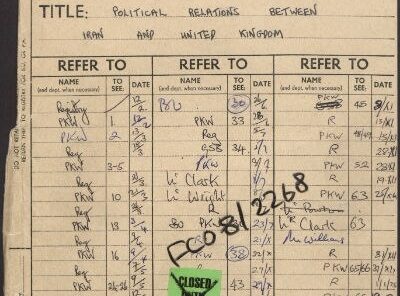
In the spring of 1974, Anthony Derrick Parsons took up his new post as British ambassador to Iran. This posting was his first ambassadorship. Previously he had worked on the Middle East desk in the Foreign Office, had served as Political Agent in Bahrain, and as First Secretary to the UK Mission to the United Nations in New York.
-
 Electrifying Your Target Audience: Advertising Medicines in the Nineteenth Century
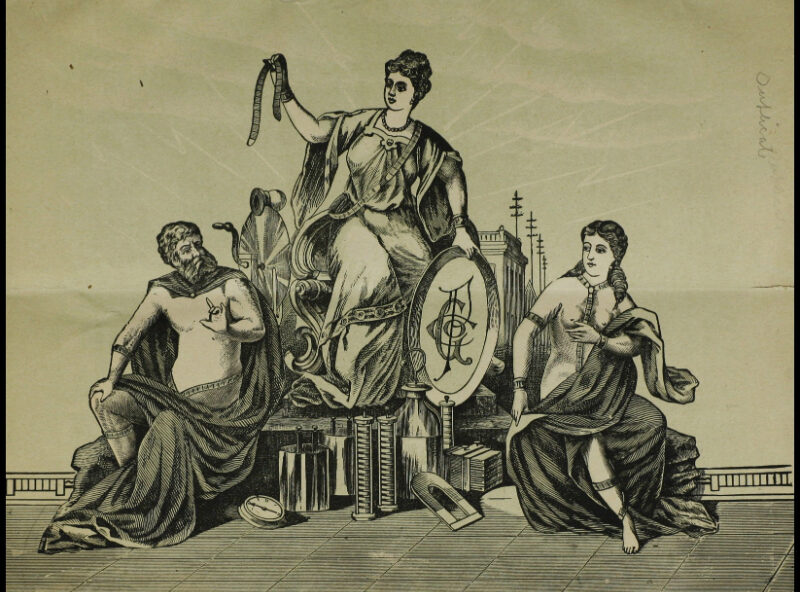
Whilst I attempt to accept that “’tis no longer the season to be jolly” and I begin to tackle the pile of leftover Christmas chocolates on my desk, I’ve been looking back at some of my favourite documents from the projects I worked on in 2015. One that vividly stands out is a pamphlet titled ‘The Best Known Curative Agent: Pulvermacher's Electric Belts and Bands for Self-Application’ from our Popular Medicine in America, 1800-1900 resource.
-
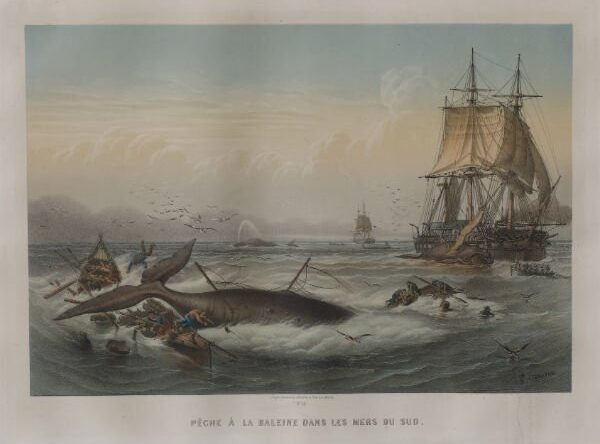 In the Heart of the Sea: stories of the whaling ship 'Essex'
Ron Howard’s new blockbuster, In the Heart of the Sea, is the latest retelling of the ill-fated final voyage of the Essex. Two years ago I wrote a blog to coincide with a BBC adaptation of the story, in which I summarised the account of Thomas Nickerson, a teenage boy who partook in that harrowing journey. Howard has used Nickerson as the narrator of his film, and this prompted me to look again at the memoir, which can be found in China, America and the Pacific.
-
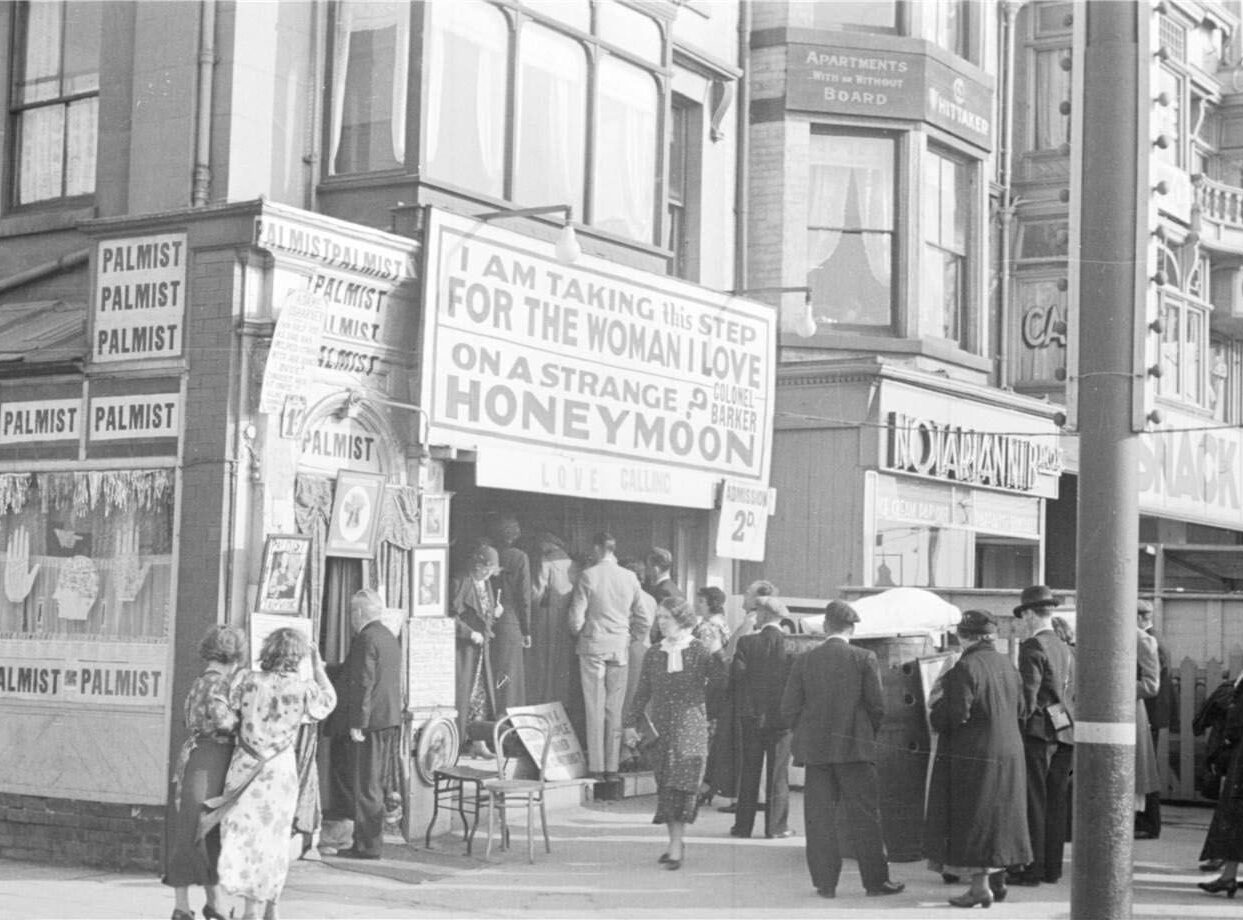 The Rector of Stiffkey: Life as a sideshow
In 1960 the anthropologist Tom Harrisson returned from Borneo to Blackpool, where 23 years earlier he had directed survey work for Mass Observation. His stay was recorded in the MO book Britain Revisited, which took a shapshot of contemporary British life and compared it to what the ‘mass observers’ had seen and heard in 1937. Much in post-war Blackpool, Harrisson found, was as it had been, but the entertainments on the seafront had changed.
-
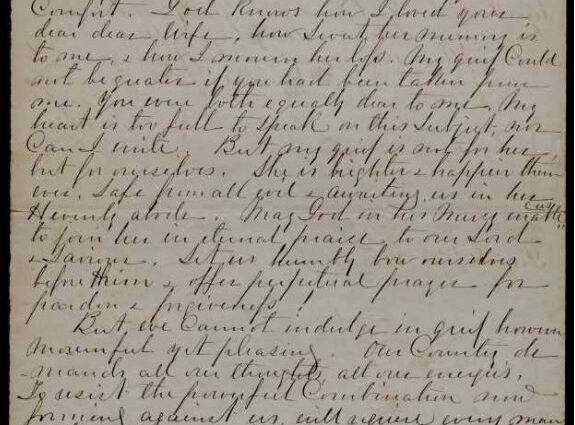 Robert E. Lee’s condolence letter to his son Rooney, 1864: A Special Guest Blog by Sandra Trenholm
In this beautifully written letter, Confederate general Robert E. Lee attempts to console his son William Fitzhugh “Rooney” Lee on the loss of his wife. The letter demonstrates the emotion that Lee felt for his family and offers a glimpse of the strength that carried Lee through the war. His faith in God, his empathy for others’ misfortunes, and his belief in the Confederate cause, all granted Lee the fortitude he needed to endure the war. One can see all of these attributes in this single, short missive.
-
 ‘My Dear Old Basil’: Letters from a Shell-Shocked Soldier
W. H. Rivers was a psychiatrist and neurologist, who advocated that the best course of treatment for sufferers of shell-shock was for them to face their painful memories, rather than adopting an ‘ostrich-like policy of attempting to banish them from the mind.’
-
 Mother Goose – The Evolution of a Classic Christmas Pantomime
First performed at Covent Garden Theatre on Boxing Day, 1806, ‘Harlequin and Mother Goose; or, The Golden Egg, Airs, Chorusses, &c., in’ was a huge success, running for ninety-two nights and becoming a quintessential Christmas classic.
-
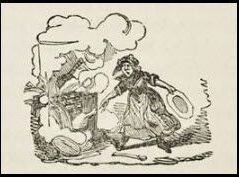 The perils of ‘Christmas Cookery’
Paul Pry’s 1838 text, Oddities of London Life, may be considered in many ways archetypal of the satirical social commentaries of the nineteenth-century lower classes that run throughout London Low Life, but William Heath’s highly amusing account of a “Christmas Cookery” is too amusing and aptly named to not share.
-
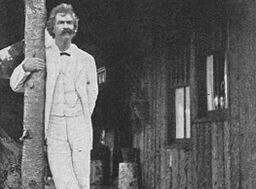 Mark Twain's BenevolenceWith the 180th anniversary of his birth approaching, it might be an apt time to present a different side to the acerbic wit we associate with one of America’s best-loved writers through a letter that can be found in American History, 1493-1945: From the Gilder Lehrman Institute of American History. It is also a letter which alludes to the United States’ post-American Civil War racial settlement and the legacy of that conflict.
 -
 An Alternative View of Thanksgiving
Alongside turkey lies other Thanksgiving traditions that many Americans hold dear which are distinctly products of the “New World,” such as cranberry sauce, pumpkin pie, and our brand of football, each of which have impressively old historical roots in their own rights. It is a day in which we are all meant to reflect on the bountiful supplies of food and material wealth of our nation.