

Blog
Advice and expertise from AM, and special guest posts by leading archivists, academics and librarians from around the world.
-
TitleDescriptionDate
-
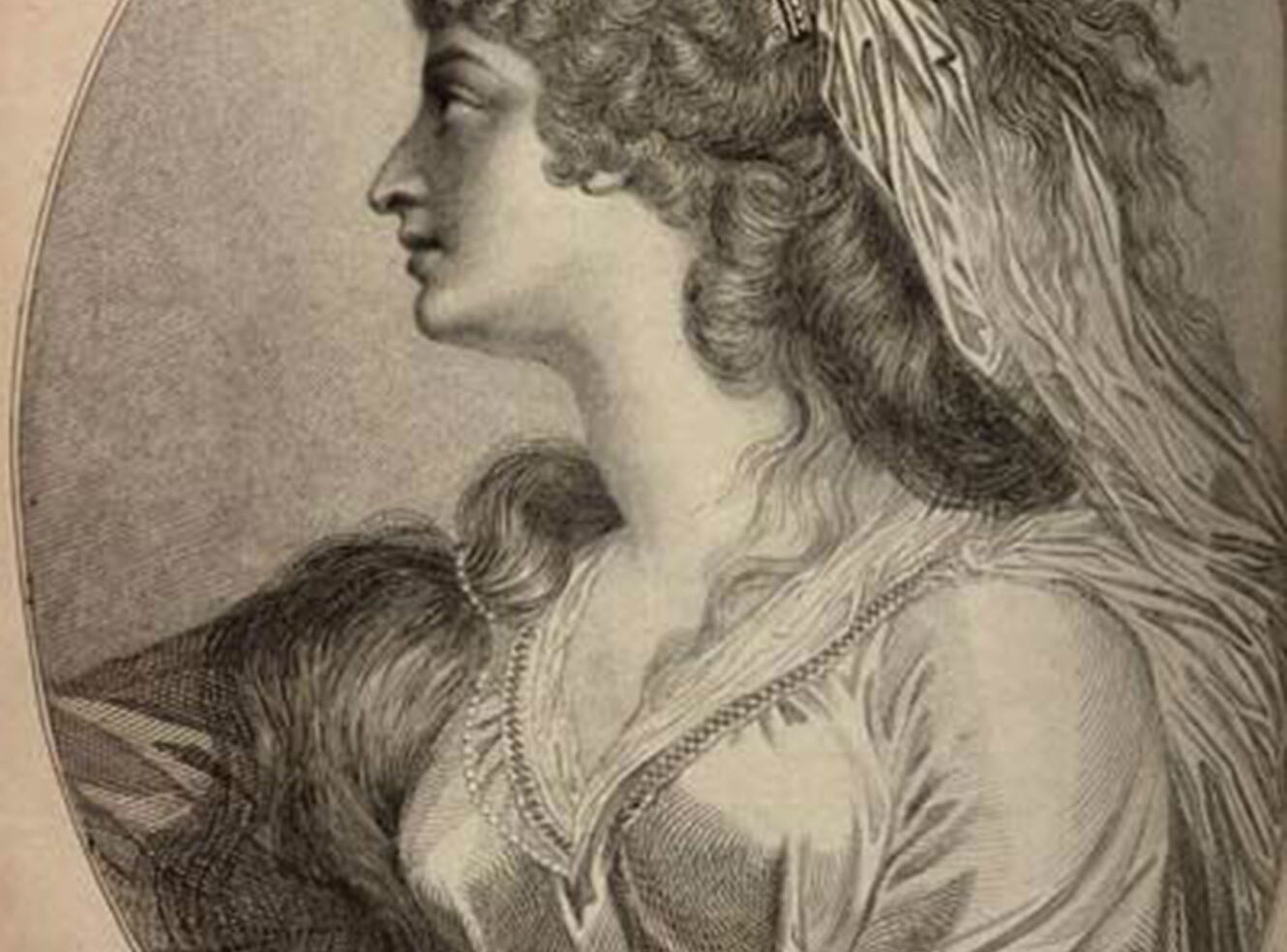 Holding the Manuscript, Pining the Actress: A Special Guest Blog by Robert W Jones
In 2009, I spent a month researching how eighteenth-century plays were translated from manuscript into performance and later print. My focus was the Larpent manuscripts, the play scripts submitted to the examiner of plays prior to their production.
-
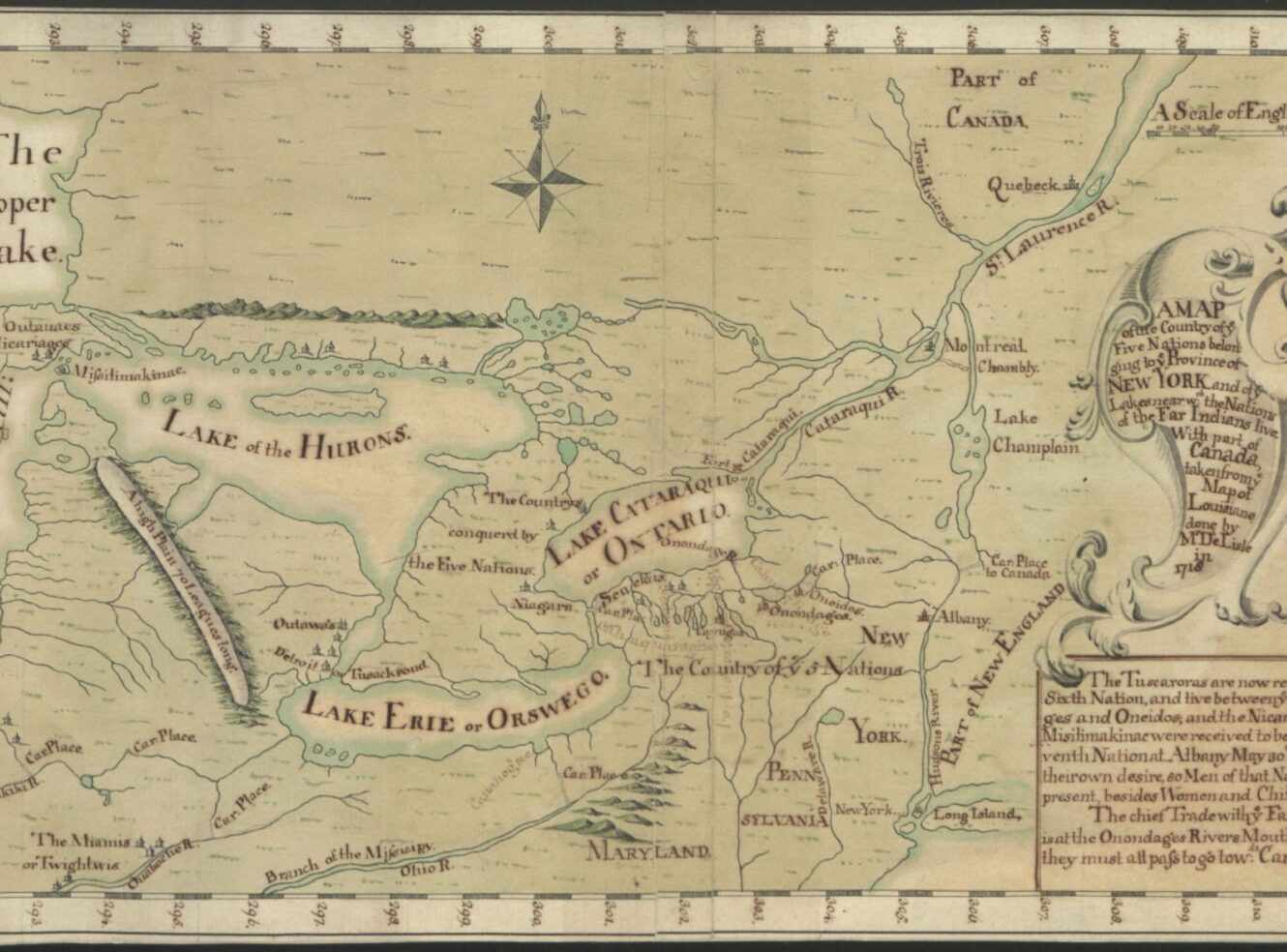 New lands on a plate: British vs French in eighteenth-century North America
In the popular imagination, colonial-era America is equated with the thirteen colonies of Britain, and indeed our Colonial America resource, module 2 of which has just been released, is made up exclusively of British and British-American archive material. But the reality is that seventeenth- and eighteenth-century North America was contested between rival European powers, each vying for land, resources, trade, military superiority and advantageous relations with indigenous groups.
-
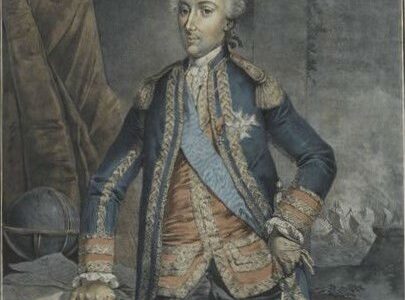 Oh Hec… following the rise and fall of the Comte d'Estaing in Colonial America, Module 2: Towards RevolutionWith Colonial America, Module 2: Towards Revolution publishing next Wednesday, I thought it a fitting time to take a closer look at the rather tumultuous rise and fall of Jean Baptiste Charles Henri Hector, the Comte d'Estaing. As the CO5 team at Adam Matthew were presented with an array of weird, wonderful, and highly amusing names whilst indexing material collated within this collection (a personal favourite being Sampson Saller Blowers), you may be forgiven for thinking that the Comte d’Estaing sounds quite an uninspiring figure to investigate in comparison. However, the trajectory of Hector’s military and political career was far more colourful than his name, or indeed the sepia material that record it in this collection, might suggest.
 -
 Smiles from the Somme
On 1st July 1916 the first day of the Battle of the Somme, one of the bloodiest campaigns of the First World War, began. Over 141 days, 1.2 million soldiers on both sides of the conflict were injured or killed, in what Captain Blackadder famously referred to as ‘another gargantuan effort to move [Field Marshal Haig’s] drinks cabinet six inches closer to Berlin.’ 1st July 1916 has gone down on record as the single worst day in the history of the British army; in just one day, the army suffered 60,000 casualties. Desperate to keep the true horrors of the war from civilian eyes, the propaganda machine swung into overdrive.
-
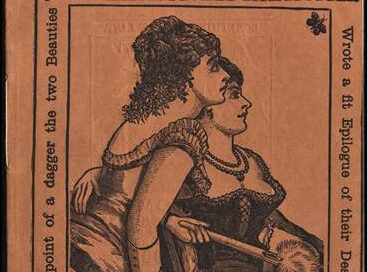 Women Whose Loves have Ruled the WorldThe sex scandal, commonly touted by tabloids today, while enormously popular is by no means a modern phenomenon, but has gripped public imagination for centuries. In the Victorian era, scandals of all sorts permeated the popular press and stories of moral degeneration were met in equal measure with anxiety, outrage and shameless fascination.
 -
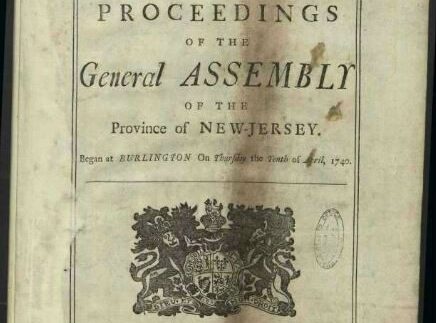 “My” American Declaration of Independence: A special guest blog by Joseph J. Felcone
In October 2008 I was spending a week at The National Archives, Kew, recording their holdings of New Jersey imprints for a then forthcoming descriptive bibliography of printing in New Jersey before 1800. The CO 5 records from the British Colonial Office records are an extraordinary source for early American printing, but they have been largely neglected by printing historians because there is no item-level cataloguing.
-
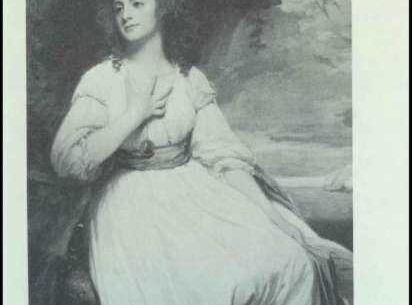 An Eighteenth Century Hiddleswift
Celebrity gossip: a sustainable source of cheap entertainment since time immemorial, and the proof is in our primary sources. Pandemonium ensued in the Adam Matthew office yesterday morning, all because Taylor Swift is now dating Tom Hiddleston. We’re not proud of it, but nevertheless we indulged in gossiping heatedly about this new development in Taylor Swift’s eventful love life.
-
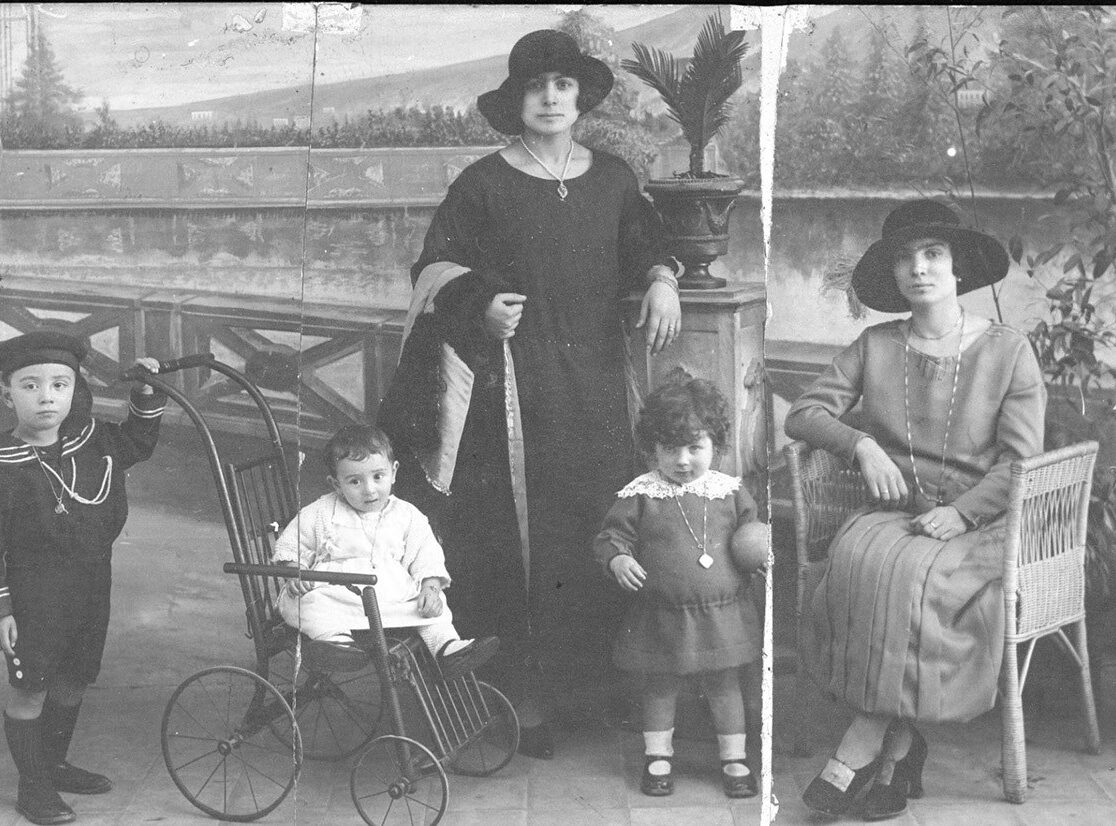 Italian Migrants in The United States: A Special Guest Blog by Dr Matteo Pretelli
In the 1880s, Italians started to migrate en masse. To begin with, it was mostly Southern peasants, and the United States became the main magnet, while Sicily and Campania were the location of the most numerous regional groups to emigrate.
-
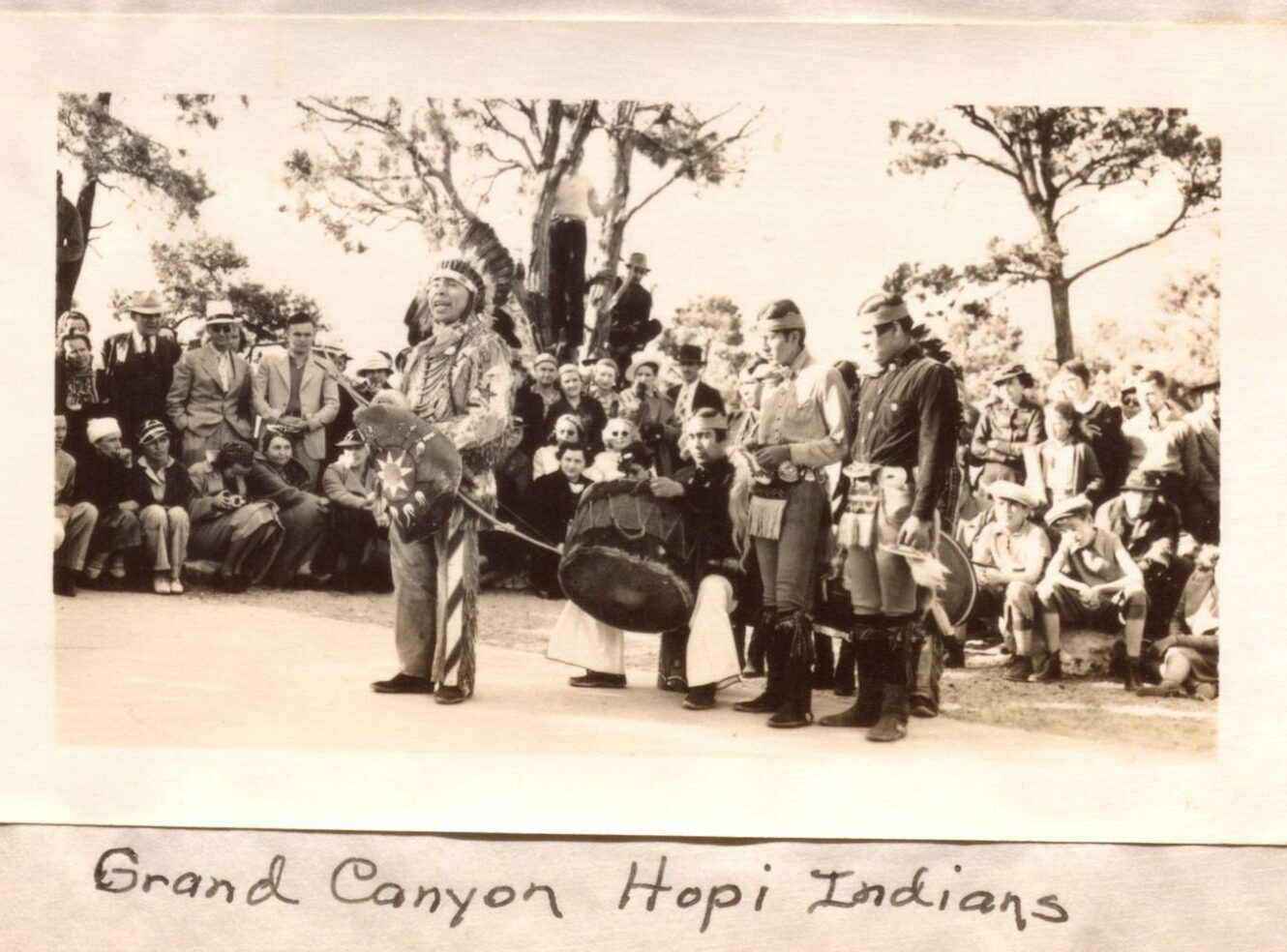 30 Days of '37: From Coast to Coast (Almost)
On a perfect day in June 1937, Mrs F. W. Stone and her family left Ashtabula, Ohio, on the shores of Lake Erie and set out by air conditioned Pullman coach for California. Originally the trip was designed to visit a sister, who had long been neglected, but it was also a chance to really ‘see’ the West. As she put it, “For some reason American people do not take trips to see their own country in the same way they take European trips. They will go to the West to visit a friend or relative, spend two or three weeks with them, come back and apparently have not seen much of the country.”
-
 Jesus Christ, this will be fun! Alexander Hamilton on stage
How could you not love a musical which borrows equally from The Pirates of Penzance and Notorious B.I.G? Hamilton, if you haven’t heard yet, is a musical blending rap, jazz, blues and classic Broadway melodies to tell the story of an obscure Founding Father (‘Yo, who the eff is this?!’) and his attempts to get a radical debt plan passed by America’s fledgling government. Yeah, that old chestnut. I jest; Lin-Manuel Miranda’s occasionally swear-y, Pulitzer Prize-winning show has torn up the rulebook, and this weekend, stands to make history at the Tony Awards where it has earned a record-breaking haul of sixteen nominations.
-
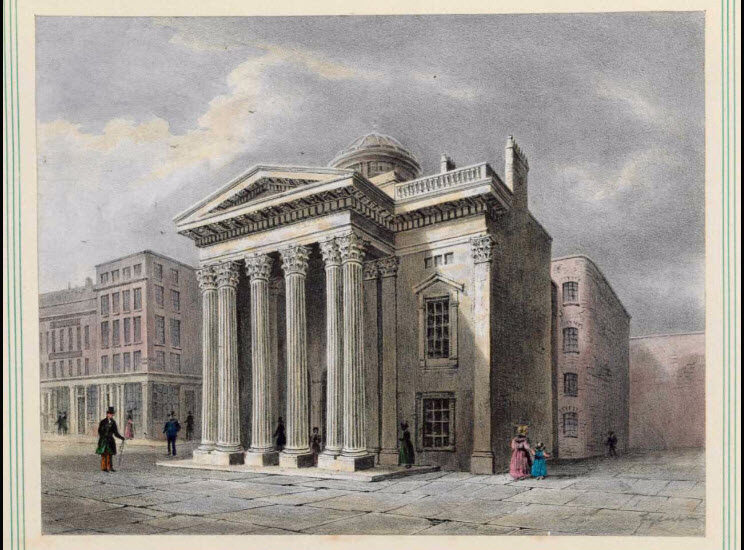 Taking an Interest in IdiomsIt is widely acknowledged that many of our favourite everyday phrases were coined by Shakespeare: "Vanish into thin air" – Othello, "For goodness sake" - Henry VIII, “A wild goose chase" - Romeo and Juliet and "All's well that ends well" from (of course) All’s Well That Ends Well. It cannot always be determined whether these phrases were already in existence or if they were invented by the Bard himself but they are certainly the first recorded instances.
 -
 ‘Separate but equal’ is inherently unequal: The NAACP’s struggle against segregation
Before June springs into action I thought it important to honour the past month as the 62nd anniversary of the Brown v. Board of Education verdict which overturned the Jim Crow Laws and marked a milestone in civil rights history. In May 1954 the U.S. Supreme Court ruled that racial segregation in schools violated the 14th Amendment
-
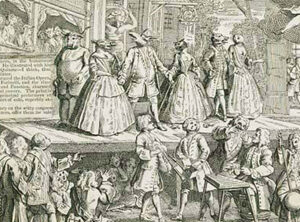 Censoring the Stage
Adam Matthew Digital’s newest resource Eighteenth Century Drama: Censorship, Society and the Stage makes available the Larpent plays from the Huntington Library, California – as well as material from several other archives. The Licensing Act of 1737 was introduced by Walpole as a retaliation against the politically satirical nature of theatrical performances in the 1730s. This meant that new works of ‘serious drama’ performed at the patent theatres – designated by the crown – were required to apply for a licence in order to be performed. John Larpent was responsible for this practice, as the Examiner of plays 1778-1824.
-
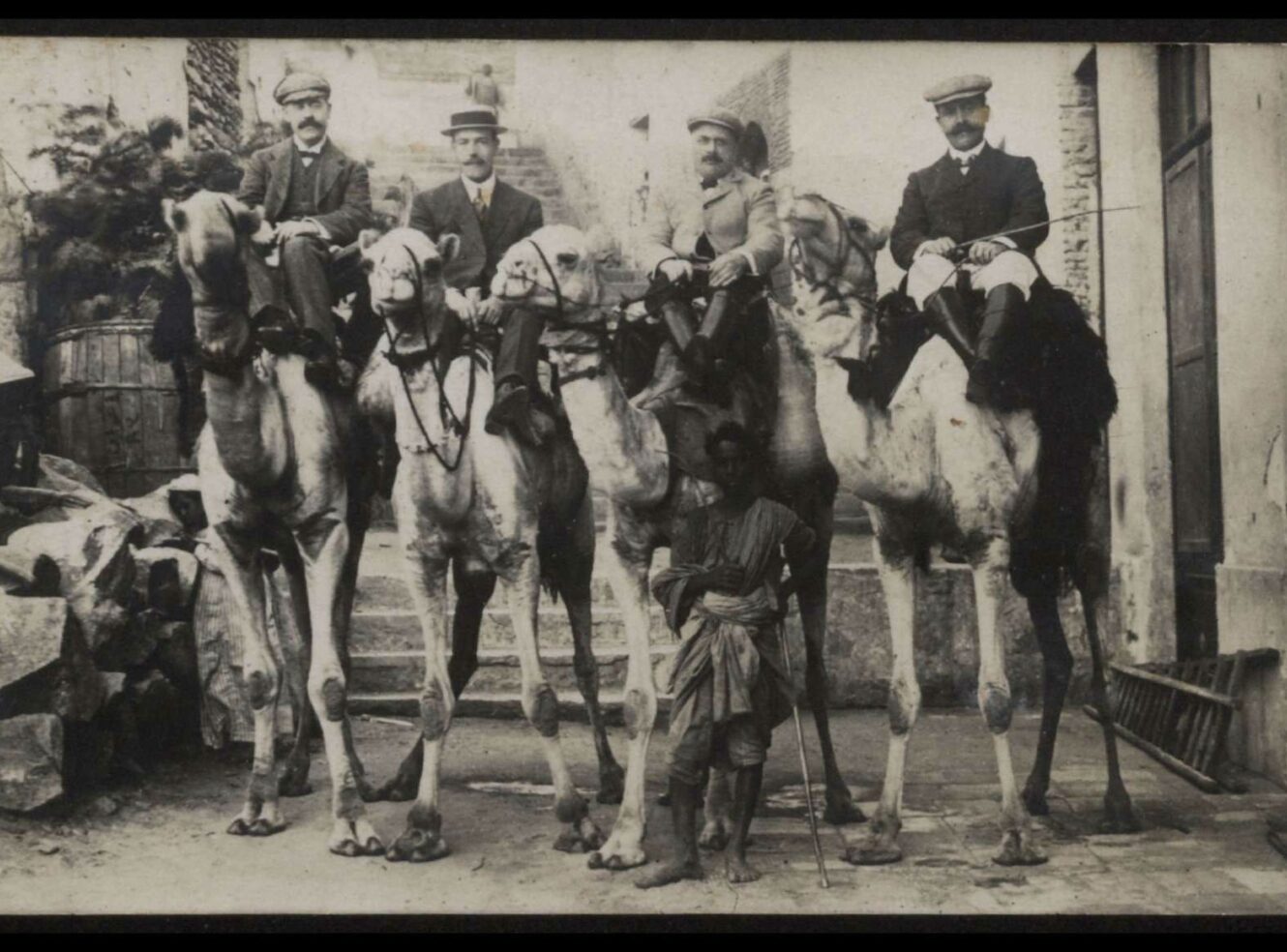 Thomas Cook and Touring the Middle East
This week sees the anniversary of the Sykes-Picot agreement. A secret agreement between the Triple Entente signed on the 16th May 1916, it would divide the Middle East and the surrounding areas that were currently controlled by the Ottoman Empire. The plan was exposed by the new Bolshevik government of Russia in 1917 and printed in the UK newspaper the Guardian the same year.
-
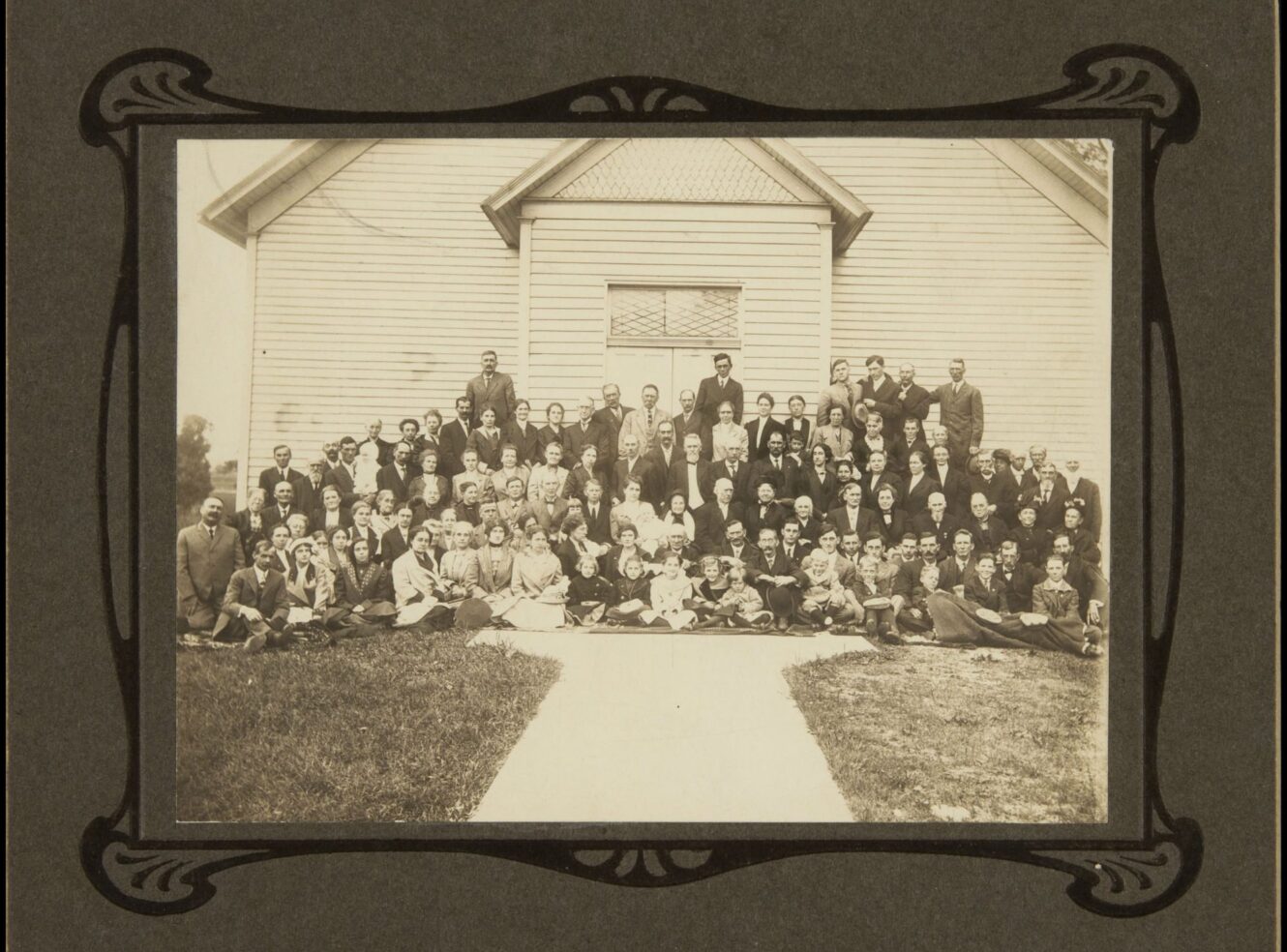 Sowing the Seeds of a Settlement on the American Frontier
I’m going to be honest: there are no bear attacks or Leonardo DiCaprios in this frontier- related blog post. There is, however, the story of a modest Quaker husband and wife, Thomas and Hannah Symons, who, following their marriage in 1811, decided to migrate from their homes in North Carolina to settle in Indiana which at the time was still a largely unsettled territory. Initially, this doesn’t sound like a particularly exceptional story in keeping with the notion of American exceptionalism, but all ideologies aside, Hannah Symons’ recollections provide a fascinating and personal insight into the hardship, bravery and perseverance involved in sowing the seeds of a settlement on the American frontier.
-
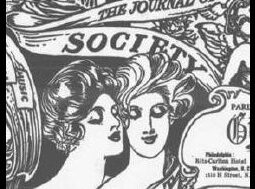 Town Topics: The Journal of Society
Everyday Life & Women in America c.1800-1920 features a full run of the rare periodical Town Topics: The Journal of Society (1887-1923) from the New York Public Library. Town Topics was a weekly periodical offering literature reviews, short fictional stories, sporting news and financial advice. The periodical actually began as The American Queen but the name was changed to Town Topics when Colonel E.D. Mann assumed the editorship in 1891. As well as the name the success and the tone of the magazine were also set to change.
-
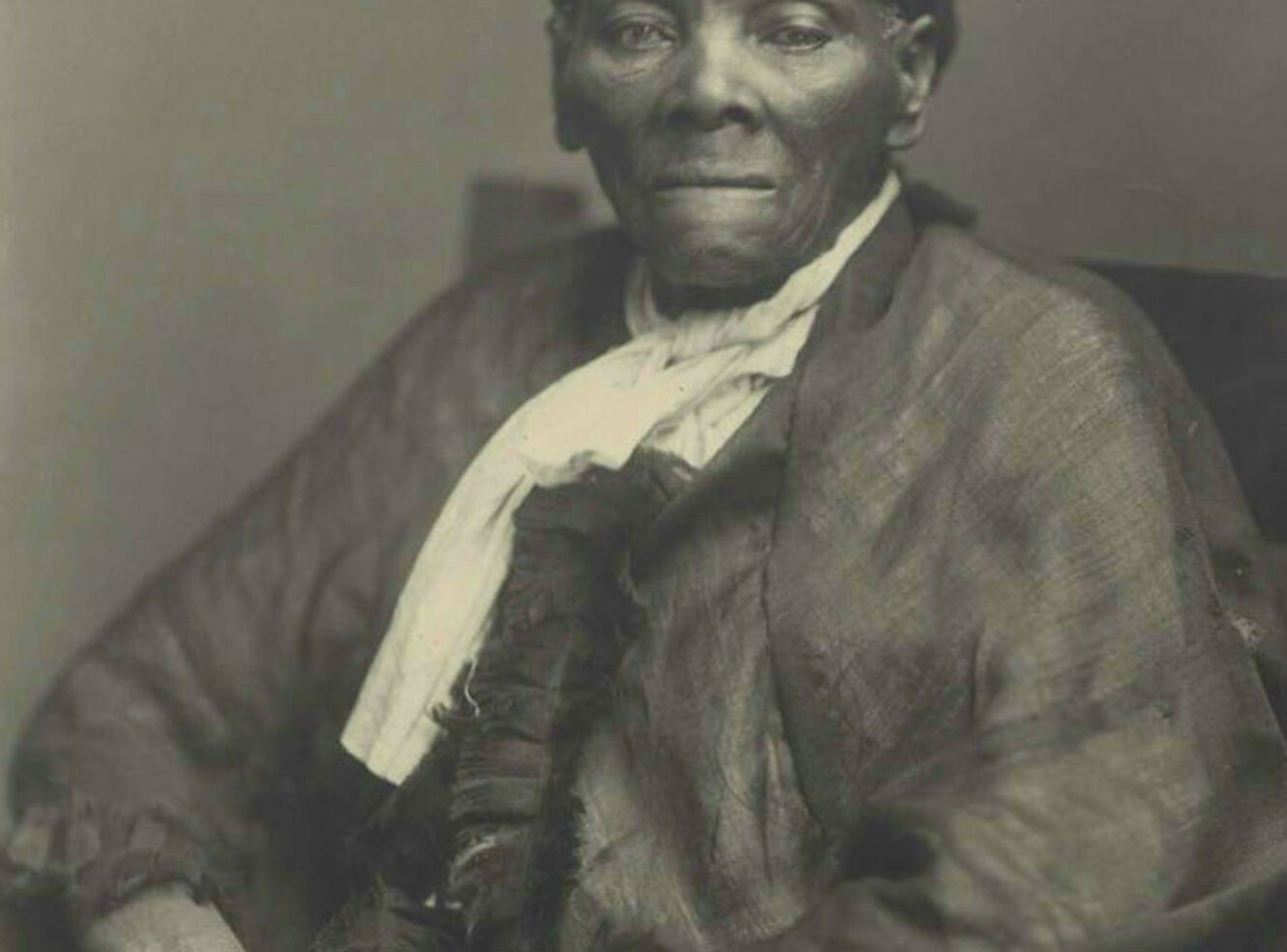 Another scene in the life of Harriet Tubman
Back in 2016 the U.S. Treasury Secretary, Jack Lew, announced that some changes were being made to America’s paper currency. Chief among them was the replacement of Andrew Jackson on the front of the $20 bill, to make way for the inclusion of Harriet Tubman, the former slave turned abolitionist who was dubbed “Moses” due to her work in guiding slave families away from their owners using the infamous Underground Railroad. Unfortunately due to administrative delays she has yet to appear on the bills, but her remarkable life is celebrated in American History, 1493-1945.
-
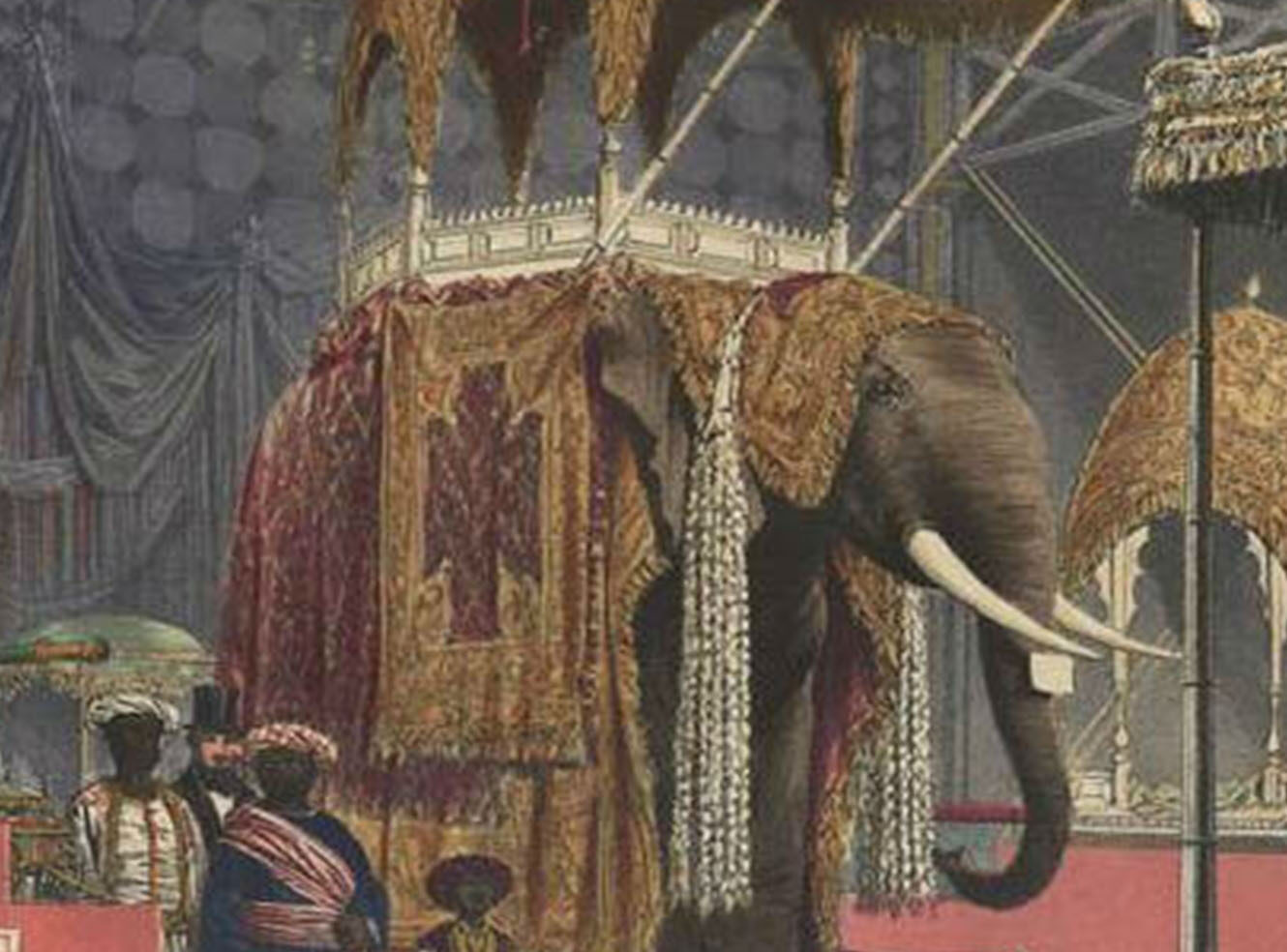 Pomp, circumstance and a crystal palace: The Great Exhibition of 1851
The Crystal Palace, an architectural wonder of glass and steel, housed a global array of exotic artefacts and would welcome over six million visitors during the Great Exhibition of 1851. For many, the exhibition represents the pomp and circumstance of the Victorian Age.
-
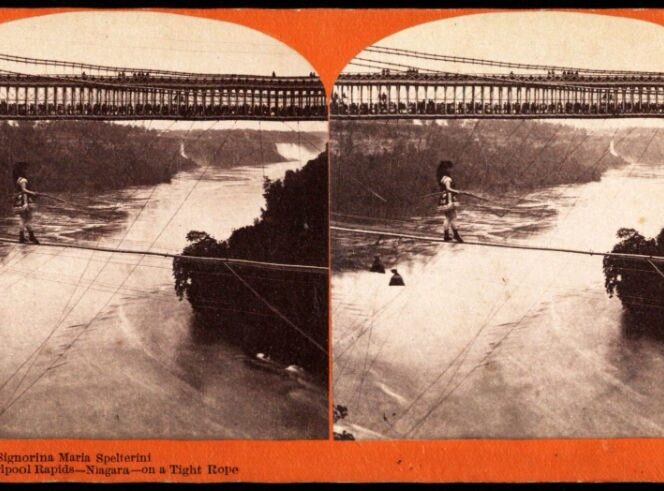 Niagara Falls: A Tourist’s View
On a recent trip, I was lucky enough to take a detour and visit Niagara Falls, a tourist hotspot since the mid-nineteenth century. This stunning, natural phenomenon is one of the world’s most popular attractions, with more than 12 million visitors each year – and it’s not hard to see why.
-
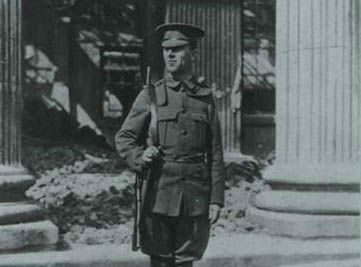 Easter 1916: The Irish Rebellion in an International Context2016 marks the 100th anniversary of the Easter Rising in Dublin, a rebellion which started on Monday April 24, 1916 and lasted until the following Saturday. The Irish Volunteers, the main nationalist military organization, and the Irish Citizen Army, a socialist militia, captured key points throughout the city and proclaimed the establishment of the Irish Republic for the duration of Easter week in an attempt to rid the island of British rule.
 -
 The Race Relations Department: A 1940s Interracial Think Tank. A Special Guest Blog by Chianta Dorsey
The Race Relations Department of the United Church Board for Homeland Ministries was created by the American Missionary Association Division in 1942. The forum's debate was far-reaching, from racial and ethnic relationships to economics, education, and more.
-
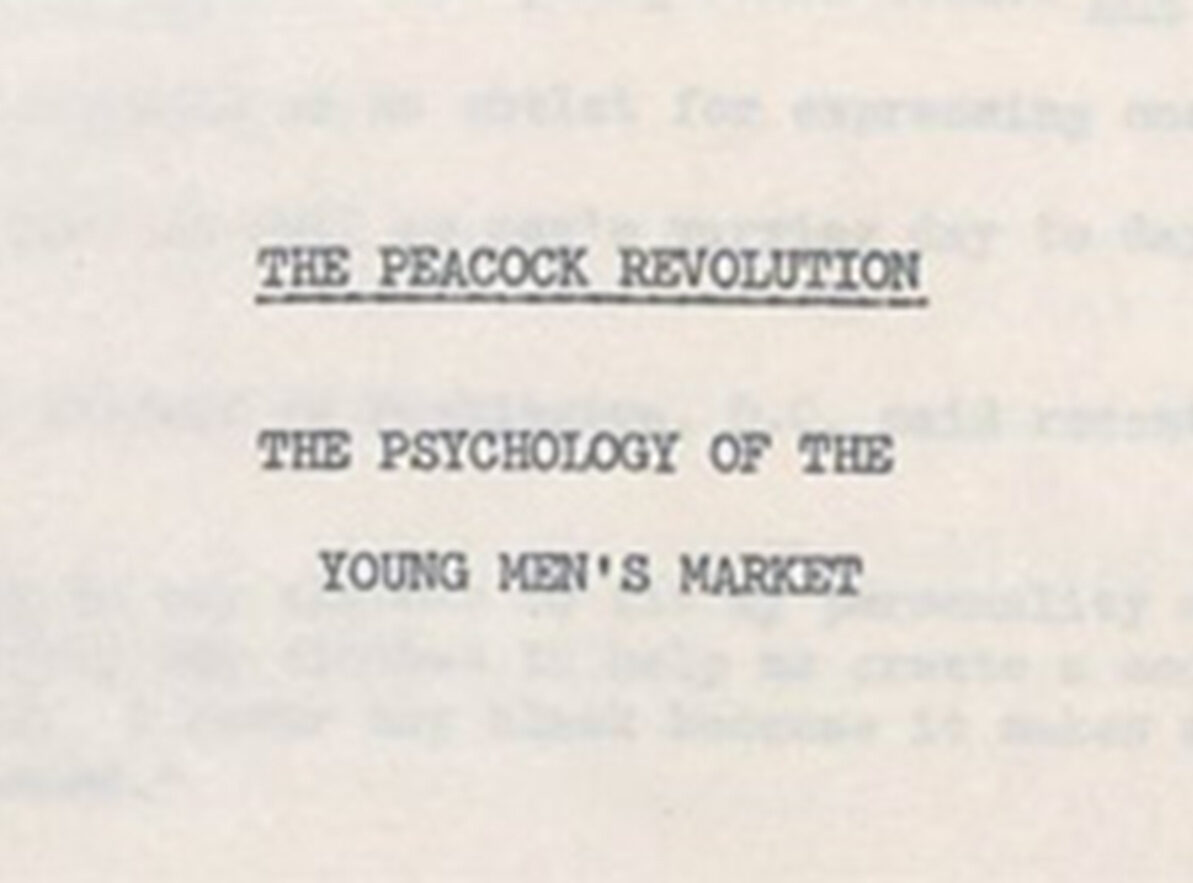 The Hunt for the Hidden Persuader: A Special Guest Blog by Regina Lee Blaszczyk
Back in 2006, I was hot on the trail of Ernest Dichter’s report on “The Peacock Revolution.” The phrase, which fittingly described the flamboyant turn in men’s apparel preference, has become part of the fashion lexicon even though its origins with Ernest Dichter are largely unacknowledged. Dichter’s consulting business, the Institute for Motivational Research, wrote the report as part of the marketing effort for postwar chemical giant E. I. du Pont de Nemours and Company.
-
 Bathing Parades and Bicycles: The Life of a Missionary Family in Japan
Whilst working on Church Missionary Society Periodicals, Module II: Medical Journals, Asian Missions and the Historical Record: 1816-1986, I have been constantly entertained and intrigued by the photographs which illustrate the periodicals. The articles surrounding an image can often offer an interesting insight into its production and its significance to the CMS mission.
-
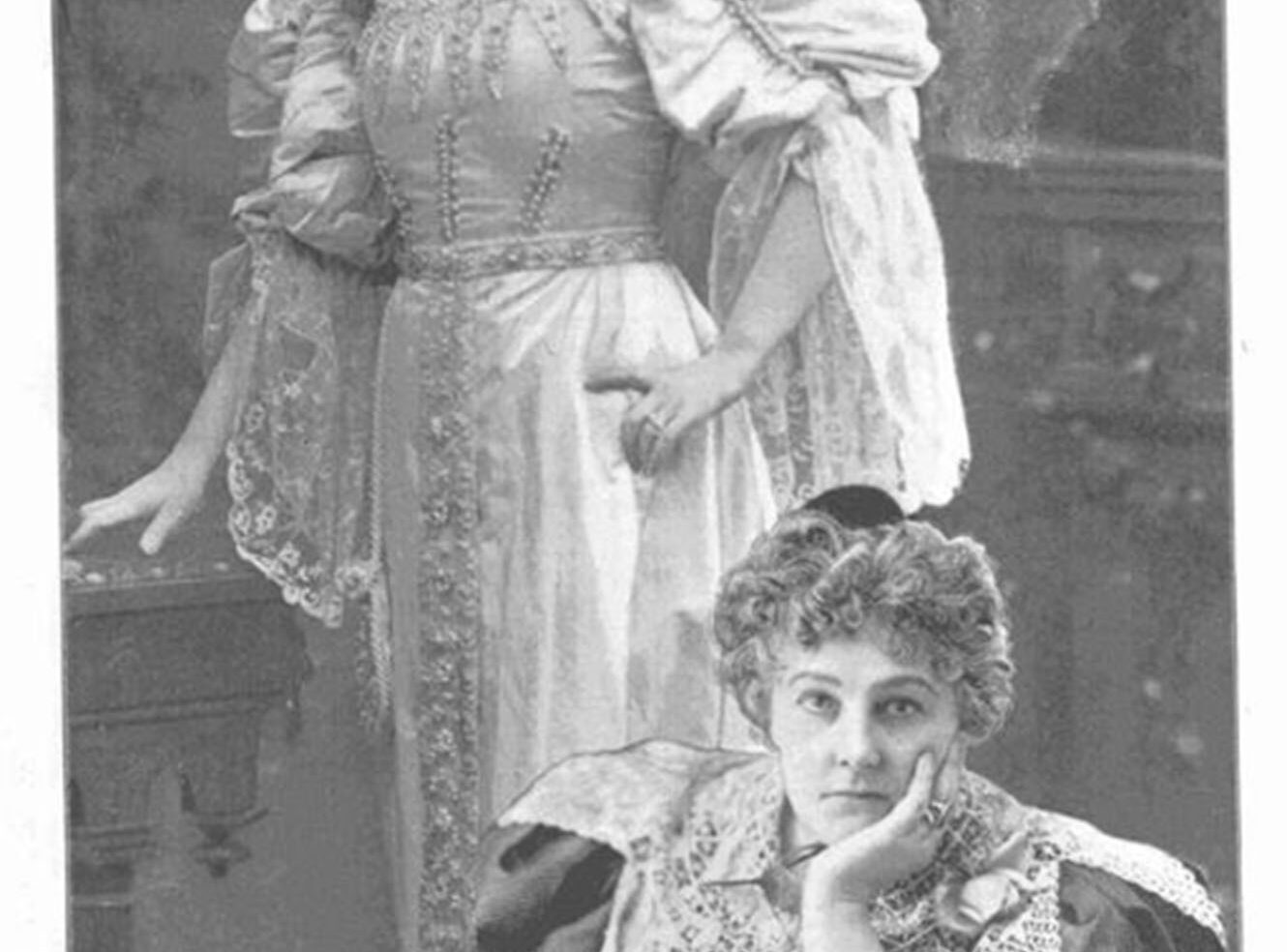 Emma Abbott, the pre-Madonna prima donna: Extraordinary everyday lives of women in nineteenth century America
As March is Women’s History Month, it is a great opportunity to look back and highlight some inspiring women and the work they did. From Everyday Life & Women in America 1800-1920, discover the story of Emma Abbott, a prima donna born in 1850 in Chicago.