

Blog
Advice and expertise from AM, and special guest posts by leading archivists, academics and librarians from around the world.
-
TitleDescriptionDate
-
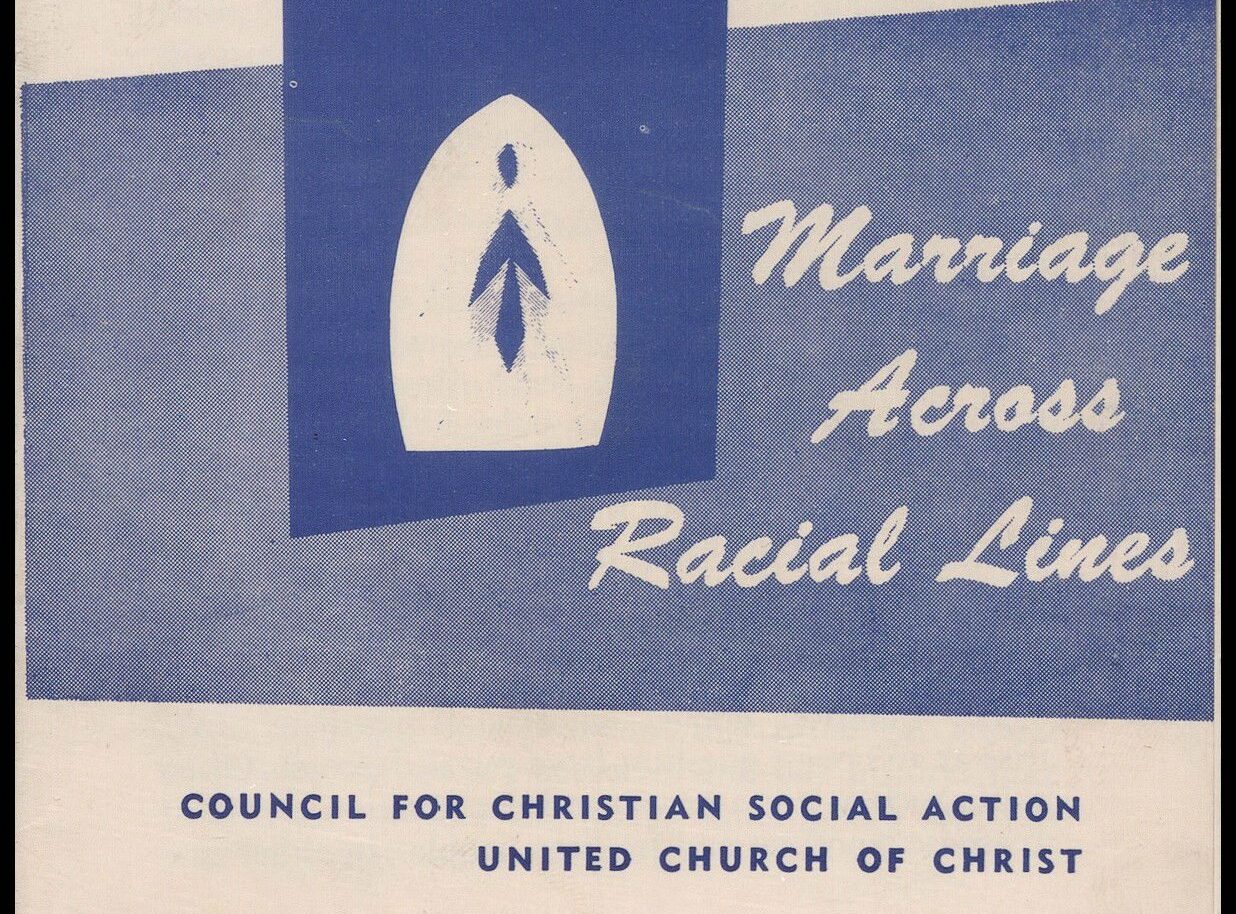 Fighting for the Right to Love
This week sees the release in US cinemas of Jeff Nichols’ film Loving, a dramatization of the story of interracial couple Mildred and Richard Loving whose marriage lead to their arrest under anti-miscegenation laws in Virginia in 1958. With the help of the American Civil Liberties Union, they appealed against the conviction and the case went to the US Supreme Court in 1967 where, in a ground-breaking decision, the convictions were overturned and all remaining anti-miscegenation laws in US states were rendered unconstitutional.
-
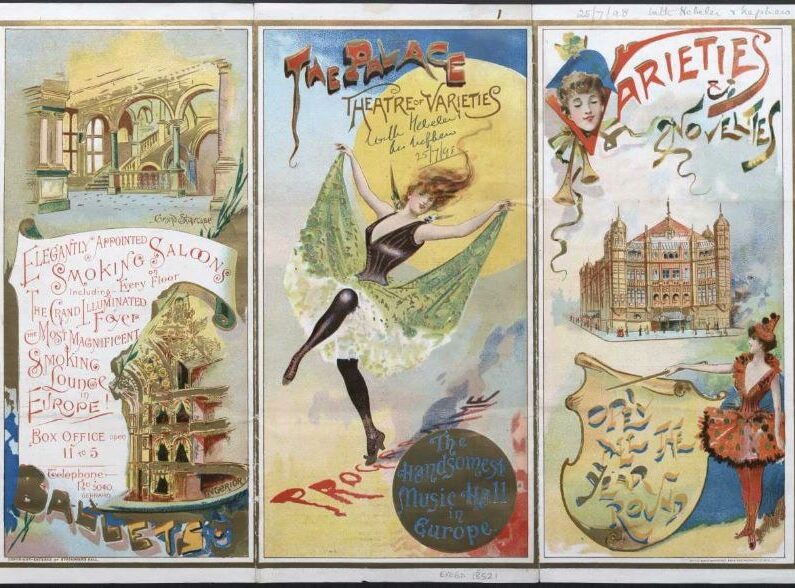 Programmes 1895-1920 – Reaching the Audiences of The Past: A Special Guest Blog by Dr. Phil Wickham
Examining the material culture of the past can help us to understand how audiences of that time might have felt about what they saw, diminishing our assumptions that we bring from the present day. Some of the most fruitful sources for this research are programmes from popular venues. At The Bill Douglas Cinema Museum at the University of Exeter we have 4000 cinema programmes, including fascinating examples from the beginnings of cinema history between 1896 and 1920.
-
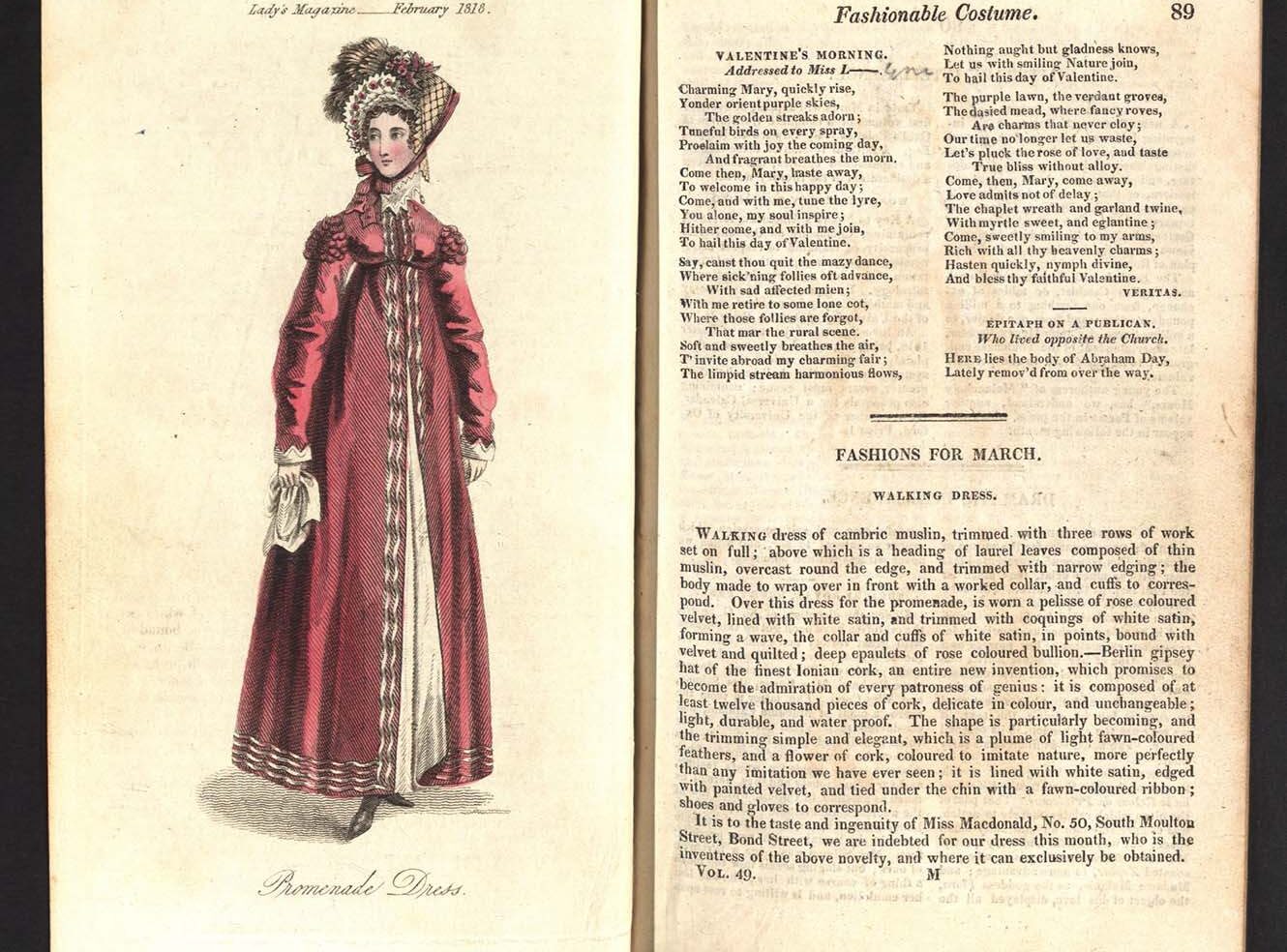 The Lady’s Magazine: A Special Guest Blog by Jennie Batchelor
I started working on The Lady’s Magazine: or Entertaining Companion for the Fair Sex (1770-1832) in the last century. 1999 wasn’t really all that long ago, I suppose, but sometimes I feel as if I have been working on the magazine forever. I say this with no sense of tedium. For much of the past fifteen years, I have been happily immersed in the embarrassment of generic riches the Lady’s Magazine presented to its loyal following of thousands of readers every month.
-
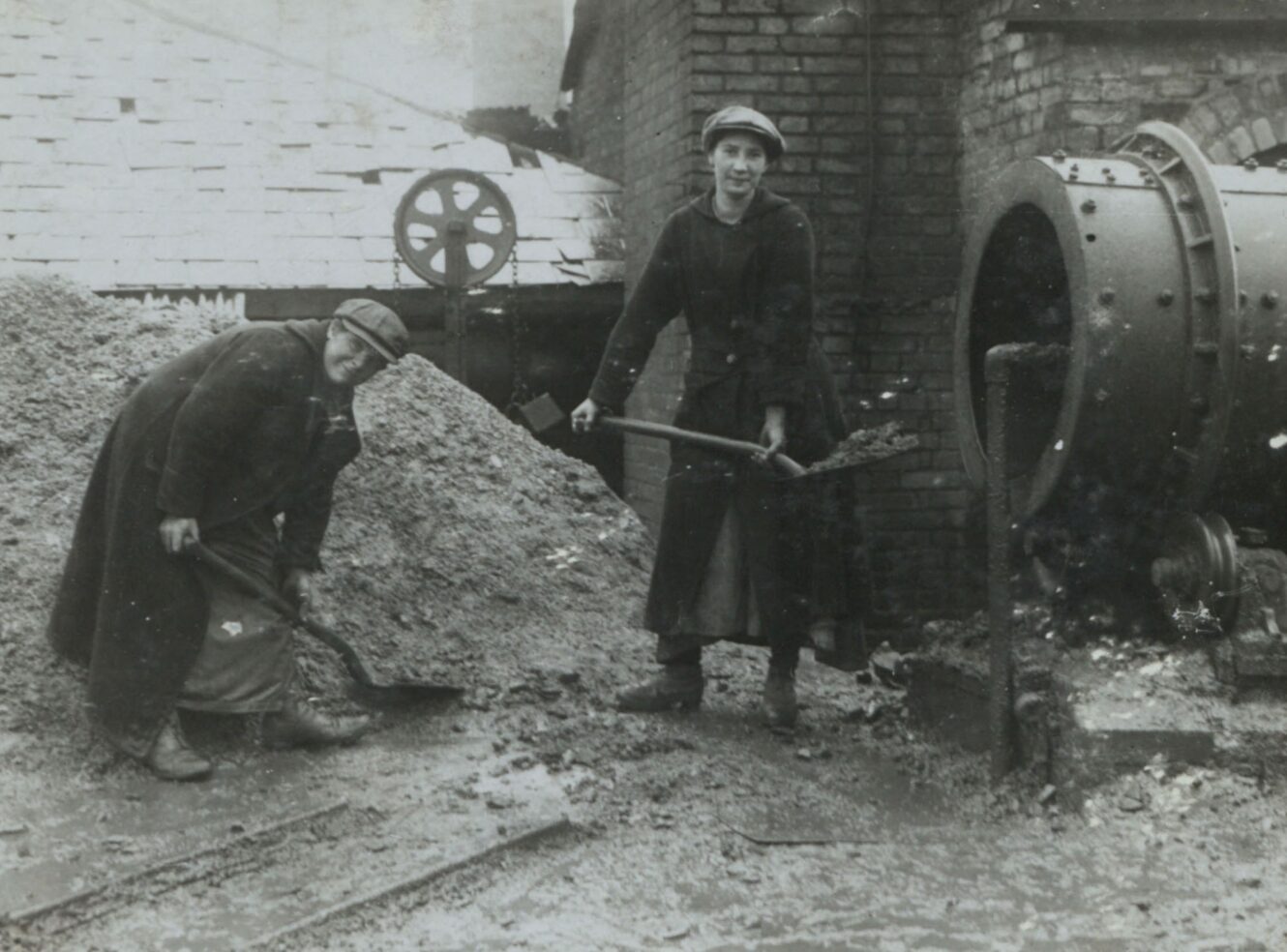 Cement, Chemicals, Bricks and Beer: Women in Industry During the First World War
When we think of the role of women on the Home Front during the First World War, the images which spring to mind are inevitably those of fresh-faced city girls perched precariously on fence posts, wellies on and pitchfork in hand. Think harder and you might also have a vague recollection of countless rows of twenty-somethings handling and packing shell cases in London munitions factories; but what other jobs did women do during the First World War?
-
 The Conman Cazique of Poyais
One of the greatest and most brazen of swindles known to man is in fact not very well known by many. Born in 1786, Gregor MacGregor lived a colourful life in which he exhibited all the oleaginous qualities needed to put greed before all else.
-
 The Wipers Times
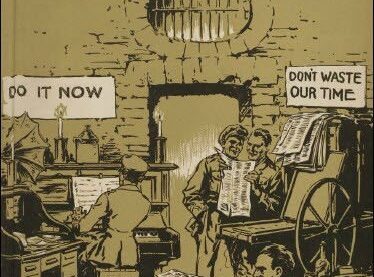
Last week I had the opportunity of seeing Ian Hislop’s and Nick Newman’s stage play based upon the true story of The Wipers Times, currently showing at the Watermill Theatre, near Newbury, 22 September – 29 October 2016. I also attended an afternoon discussion session where the co-writers were interviewed about their work and answered questions from the audience. The Wipers Times was a trench journal published by British soldiers fighting on the Ypres Salient during the First World War. It became the most famous example of trench journalism in the English-speaking world.
-
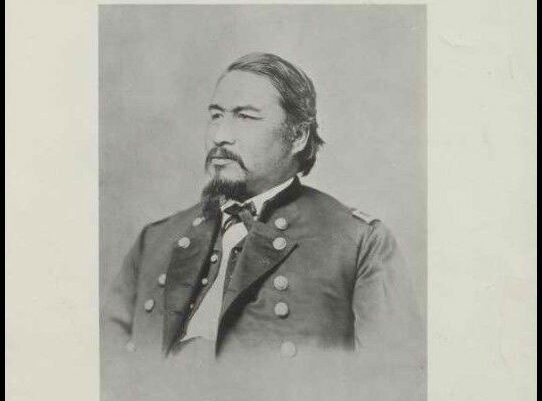 Reviving interest in indigenous languages and traditions with the help of Ely Samuel ParkerLearning that the annual international conference held by the Association of Tribal Archives, Libraries, and Museums, (ATALM) is taking place this week in Phoenix, Arizona, I thought it a fitting time to highlight a sample of the material collated within our recently published resource: Frontier Life: Borderland Settlement & Colonial Encounters, that demonstrate attempts made over 100 years ago to restore both indigenous languages and histories.
 -
 Spectacle of the First World War: A special guest blog by Elizabeth Mantz
One of the reasons I like the Adam Matthew resources so much is the visual richness contained within each one. The historical value and depth of the primary source content is complemented and augmented by a wealth of accompanying vivid images, many in colour.
-
 Critiquing a Nation: Dickens' Quarrel with America
In time-honoured fashion, ‘outsiders’ continue to share their opinions and viewpoints on other countries' customs and beliefs. In 1842, English novelist Charles Dickens wrote a commentary on America during his first visit to the country.
-
 GBBO, Betty Crocker, and Baking in GeneralOver the past few weeks we’ve been getting to grips with dramatic Great British Bake Off news. Shock-waves were sent rippling through the country when we learnt that this series would be the final one as we know it. In this office, like in many offices around the country, the reaction ranged from a healthy dollop of dismay to a big helping of speculation. First Mel and Sue announced their resignations and Mary Berry, a few days later, followed suet. (Yes, pun very much intended.)
 -
 Further Adventures of the Intrepid East India Company Women: A SPECIAL GUEST BLOG BY AMRITA SEN
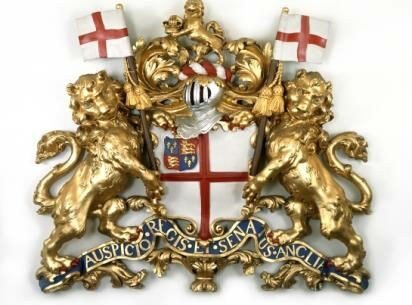
The three intrepid women, Mariam Begum, Frances (Webbe) Steele, and Mrs Hudson who managed to travel on board East India Company ships in the early seventeenth century, flouting Company prohibition, continued to cause trouble even after the much harried English ambassador, Sir Thomas Roe, no longer had to directly deal with them. Unfortunately for Roe, the journey back to England was not as tranquil as he might have hoped, for Frances and Mrs Hudson were travelling with him.
-
 Early Women Travellers and The East India Company: A Special Guest Blog by Amrita Sen
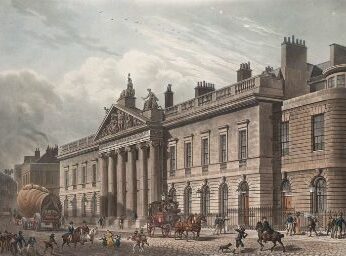
In 1617 three unlikely travelers, Mariam Begum, Frances Steele (nee Webbe), and Mrs. Hudson, arrived at the busy port of Surat onboard an East India Company ship called the Anne. What made their journey so exceptional was that during the early years of its operation the Company expressly forbade women from traveling out to the East Indies, despite numerous pleas from its factors and sailors who did not wish to leave their wives behind.
-
 Recreating the music of Shakespeare: “We can’t unhear Lady Gaga”
After the announcement of our project with Shakespeare’s Globe last month, along with the launch of Shakespeare in Performance, attending the World Shakespeare Congress and a visit to the Globe itself to watch Iqbal Khan & co’s latest staging of Macbeth I can definitely say I have got the Shakespeare bug.
-
 Poll taxes, intimidation and impossible tests: the experience of African American voters in the 1950s
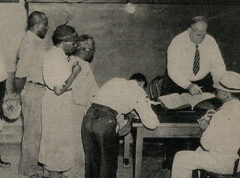
How many people are on the United States government payroll? If you don’t know the answer to this question, and particularly if you were an African American living in the 1950s, then chances are you would not have been allowed to vote. Last Friday, the 9th September, was the 59th anniversary of President Eisenhower’s Civil Rights Act. Although there were criticisms at the time as to its efficacy and even motives, it was significant in being the first civil rights legislation to be passed in 82 years.
-
 Send his scalp to the British Museum
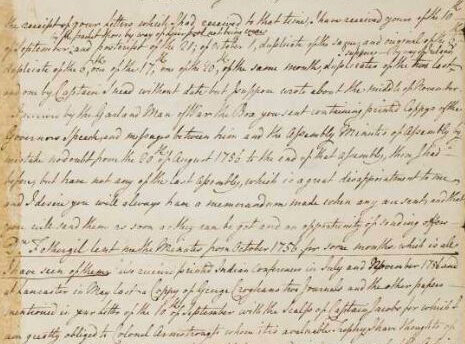
In his classic 1893 the frontier thesis – first delivered at the St Louis Worlds’ Fair – the historian Frederick Jackson Turner gave an analysis of how the experience of this contested space creates a particular culture and forges aptitudes, democracy, mentality, self-reliance, and so forth.
-
 Mathews in the Archive: Assembling the Traces of Performance: A Special Guest Blog By Jane Wessel
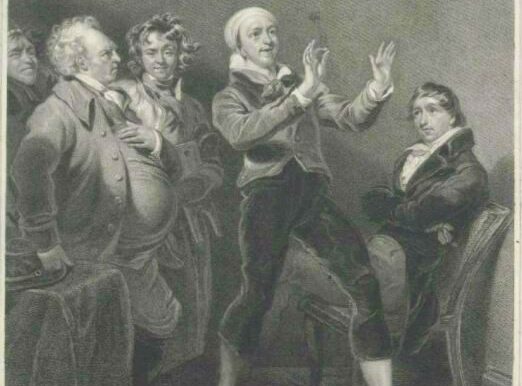
One of the biggest challenges of studying theatre history is reconstructing the non-textual elements of performance: the performers’ gestures and expressions, the costumes and set, the audience reaction. The challenge is amplified when studying illegitimate entertainments or legitimate plays that relied heavily on mimicry. How do we imagine the sounds or conjure the image of a scene in which a single actor, without leaving the stage, performs five or ten separate characters?
-
 Attention Weightlessness! Cosmonaut Training in the USSR
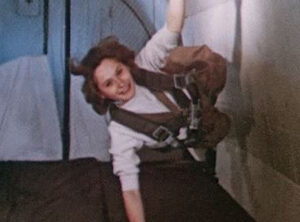
Visitors to my desk tend to comment on two things; firstly, the fan incessantly running regardless of the season, and secondly, the postcards propped up under the monitor. Bought from an exhibition gift shop last autumn, the cards feature Yuri Gagarin and Valentina Tereshkova - respectively the first man and woman in space – against a back drop of hammers, sickles and rockets, staring nobly out into the office from under their helmets. My interest in - or perhaps idolatry of - these famed cosmonauts was sparked by our upcoming video resource, Socialism on Film, which is being produced in conjunction with the British Film Institute.
-
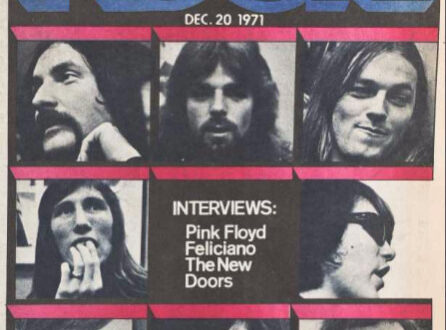 An Interview With Pink Floyd
In December 1979 my dad was in town waiting for a bus home when a motorcycle rounded the corner a little too quickly, sending something flying off the back and landing in the road. It looked like a white envelope at first but as he walked over to pick it up he saw the simple design of a white brick wall and two words in black ink: Pink Floyd.
-
 "Discover the Other Americas!"
It’s been a dramatic 2 weeks of triumph, teamwork and towering feats of sporting achievement during the 31st Olympic Games, and after years of planning, the eyes of the world were firmly on Rio de Janeiro.
-
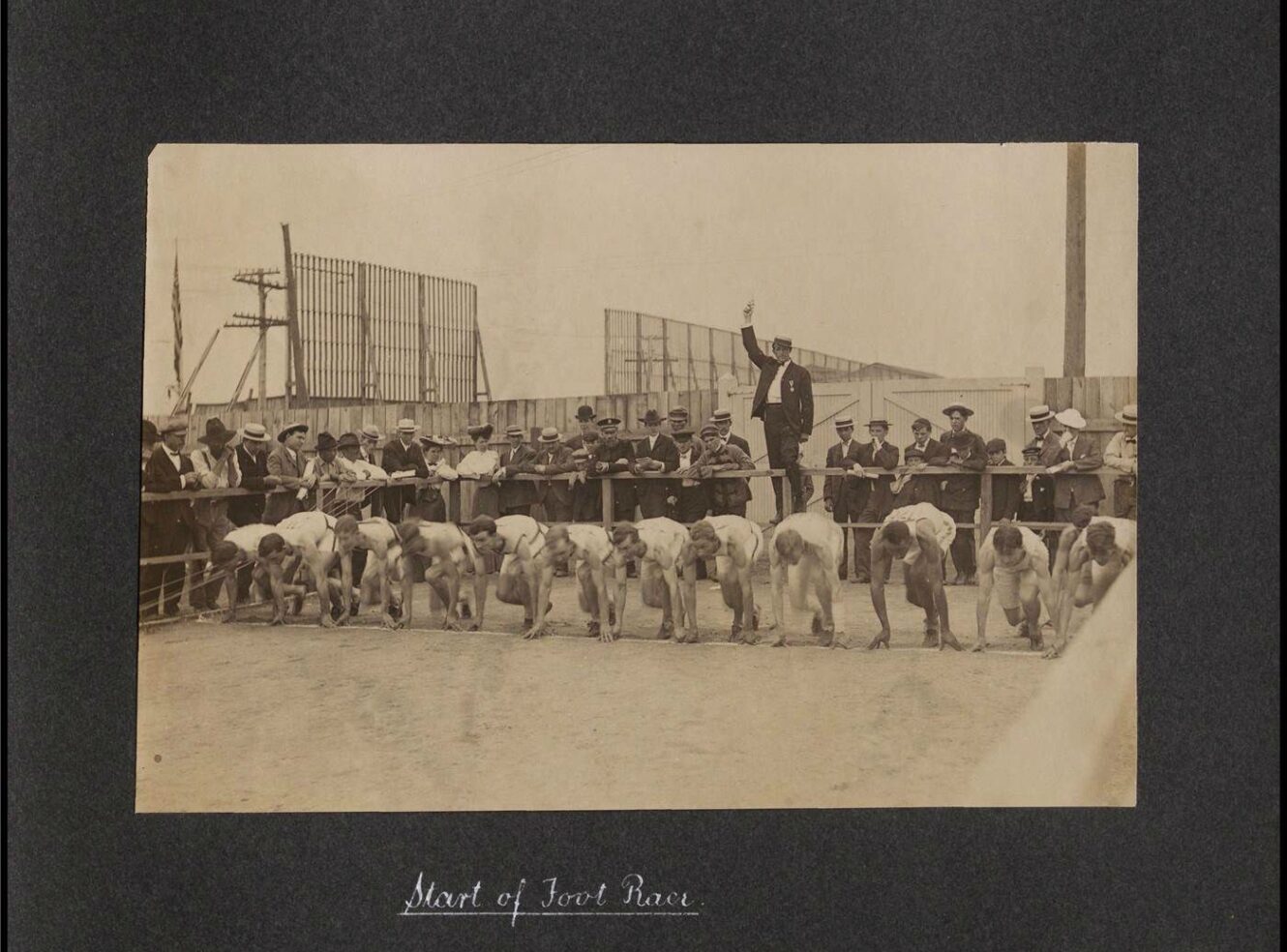 The Olympic Games 1904
The Olympic Games are a great opportunity for usually unheralded sports to take centre stage, and many of the same events were on display when the modern games first started over a century ago.
-
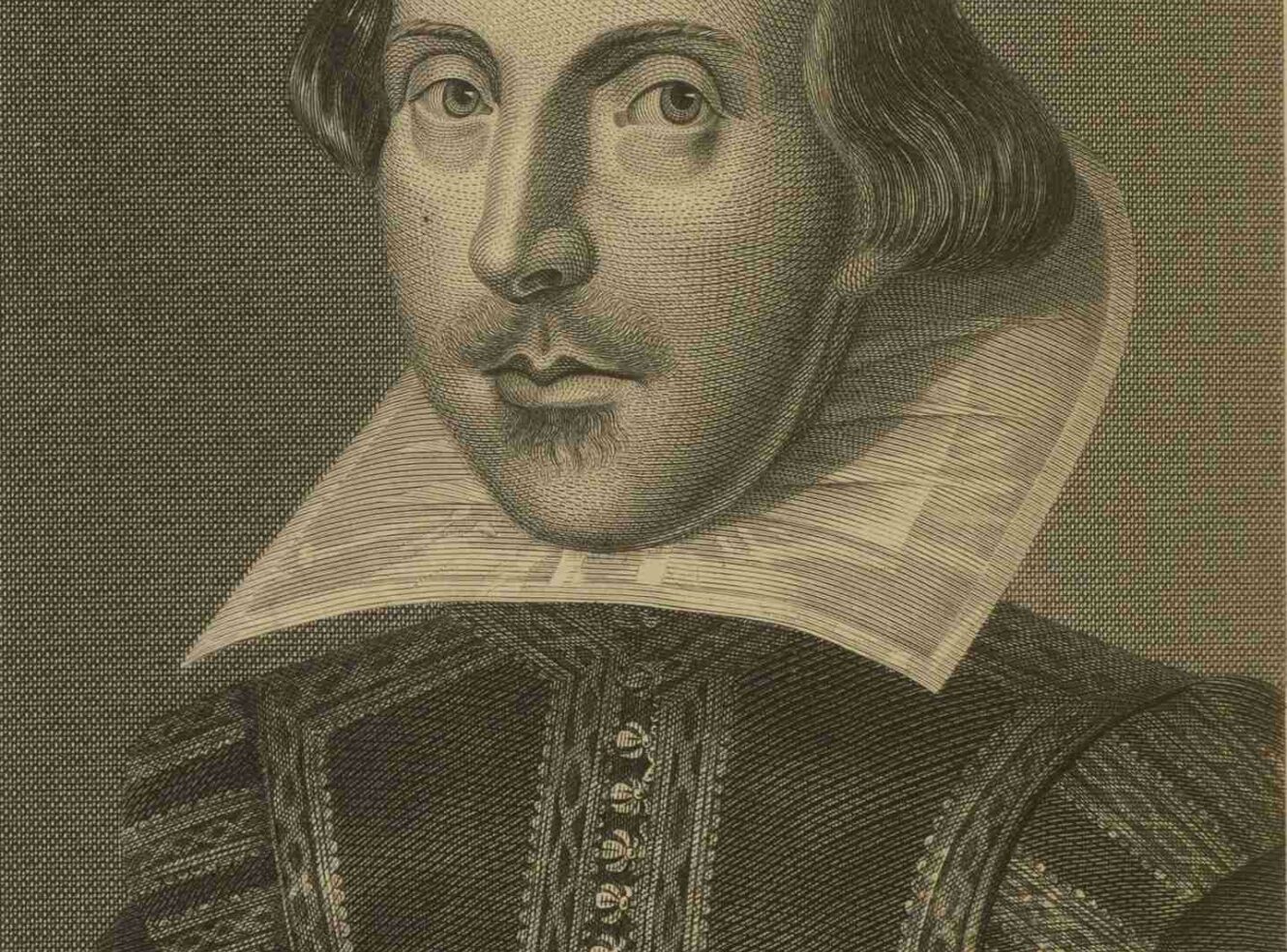 A tale told by an idiot: Shakespeare through the ages
If you didn't already know (of course you did) this year is a HUGELY exciting one for scholars, thespians and fans of William Shakespeare. 2016 marks the the 400th anniversary of the Bard's death, and cultural organisations the whole world over have been pulling out all the stops to celebrate his life and works.
-
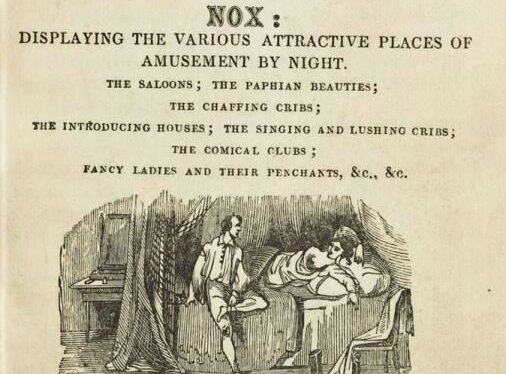 Exploring London Low Life: The Forgotten East End: A Special Guest Blog by Professor Brad Beaven
When we think of the East End in the nineteenth century our minds often conjure-up images of dark back-street rookeries and communities blighted by crime and poverty. Well known polemic pamphlets by contemporaries like Andrew Mearns’ The Bitter Cry of Outcast London and the haunting images sketched by Gustave Doré have influenced both academic writing and popular culture to this day. When imagining the East End in the nineteenth century, very few of us associate it with sailors and the maritime culture that they brought ashore.
-
 Muhammad Ali at the Olympic Games
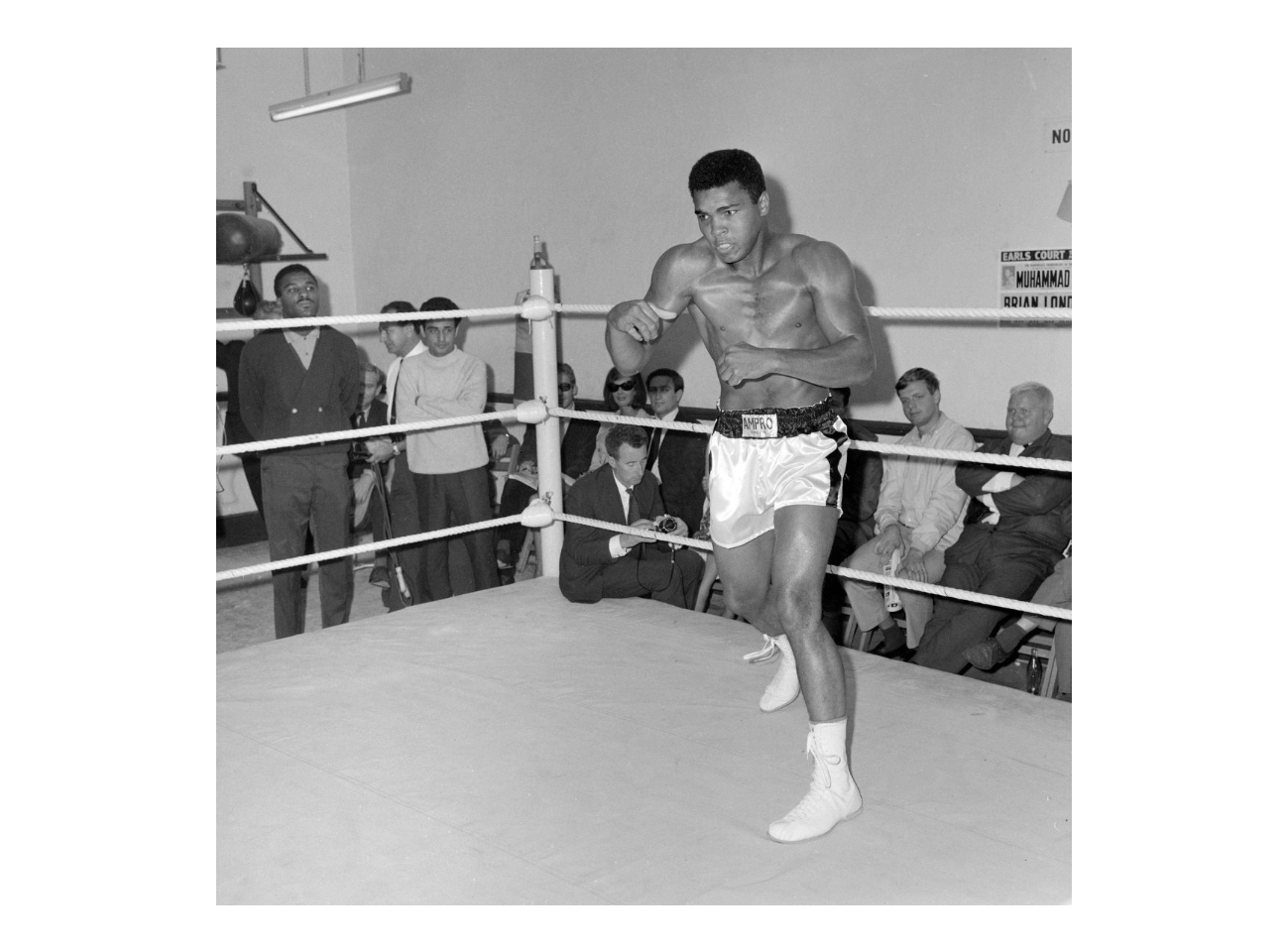
Reflect on the rich history of the Olympics, particularly the impact of Muhammad Ali in AM's Popular Culture in Britain and America, 1950-1975. The 1960 Rome Olympics introduced the world to 18-year-old Cassius Clay, later known as Muhammad Ali, who won the light heavyweight gold medal. Explore material from the collection that marked the beginning of Muhammad Ali’s illustrious career as a boxer and activist.
-
 The Power of Etiquette in 19th Century America
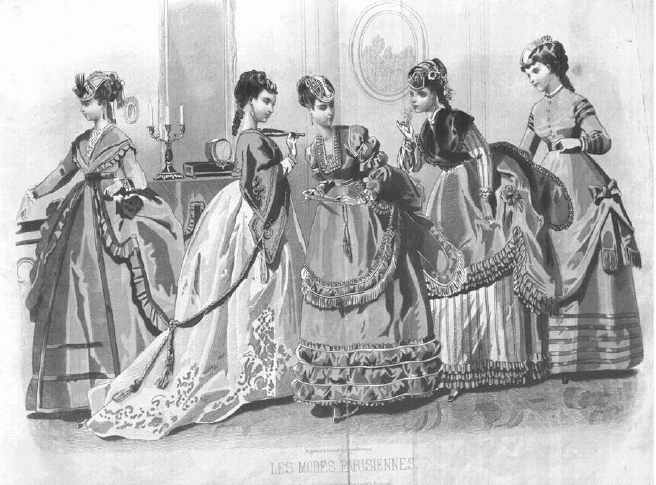
Everyday Life & Women in America, c1800-1920 is a recently revamped resource for the study of American social, cultural and popular history, providing access to rare primary source material from the Sallie Bingham Center for Women’s History, Duke University and The New York Public Library. The collection is especially rich in conduct of life and domestic management literature, offering vivid insights into the daily lives of women and men through the use of documents such as etiquette advice manuals.