

Blog
Advice and expertise from AM, and special guest posts by leading archivists, academics and librarians from around the world.
-
TitleDescriptionDate
-
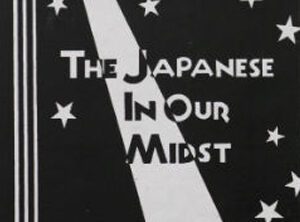 At all Times Loyal to America: Internment During WWII
The latest POTUS recently signed the 13776th Executive Order - his twelfth since taking office. Last Sunday, however, marked the 75th anniversary of an earlier order – no. 9066 – which was issued by FDR in 1942. Harmless as this anonymous directive may sound, it gave the US military the authority to designate zones from which ‘any or all people may be excluded’. With this power, the government were able to enact a policy of interning and relocating thousands of its citizens.
-
 The Wagner-Rogers Bill
Jewish Life in America makes available the papers of Marion E. Kenworthy, who with the Non-Sectarian Committee for German Refugee Children lobbied the US Government to pass the Wagner-Rogers Bill. U.S Senator Robert Wagner and Congresswomen Edith Rogers introduced legislation to admit 20,000 German Jewish Children to the United States outside America’s strict immigration quotas, in a bid to provide an escape from the abhorrent treatment being received in Nazi Germany.
-
 What is happiness?
Founded in 1937, Mass Observation sought to explore the "anthropology of ourselves" and, to this day, illuminates societal sentiments throughout history. This pioneering social research organisation conducted a survey in 1938 surrounding the subject of happiness in everyday British lives.
-
 37 days after 37 years: Shapour Bakhtiar’s Iranian revolution
The revolution which brought the Islamic republic to power was a singular event in the twentieth century, and is still considered something of an enigma by many scholars, despite the existence of diplomatic reports that disclosed opinions on the upheavals.
-
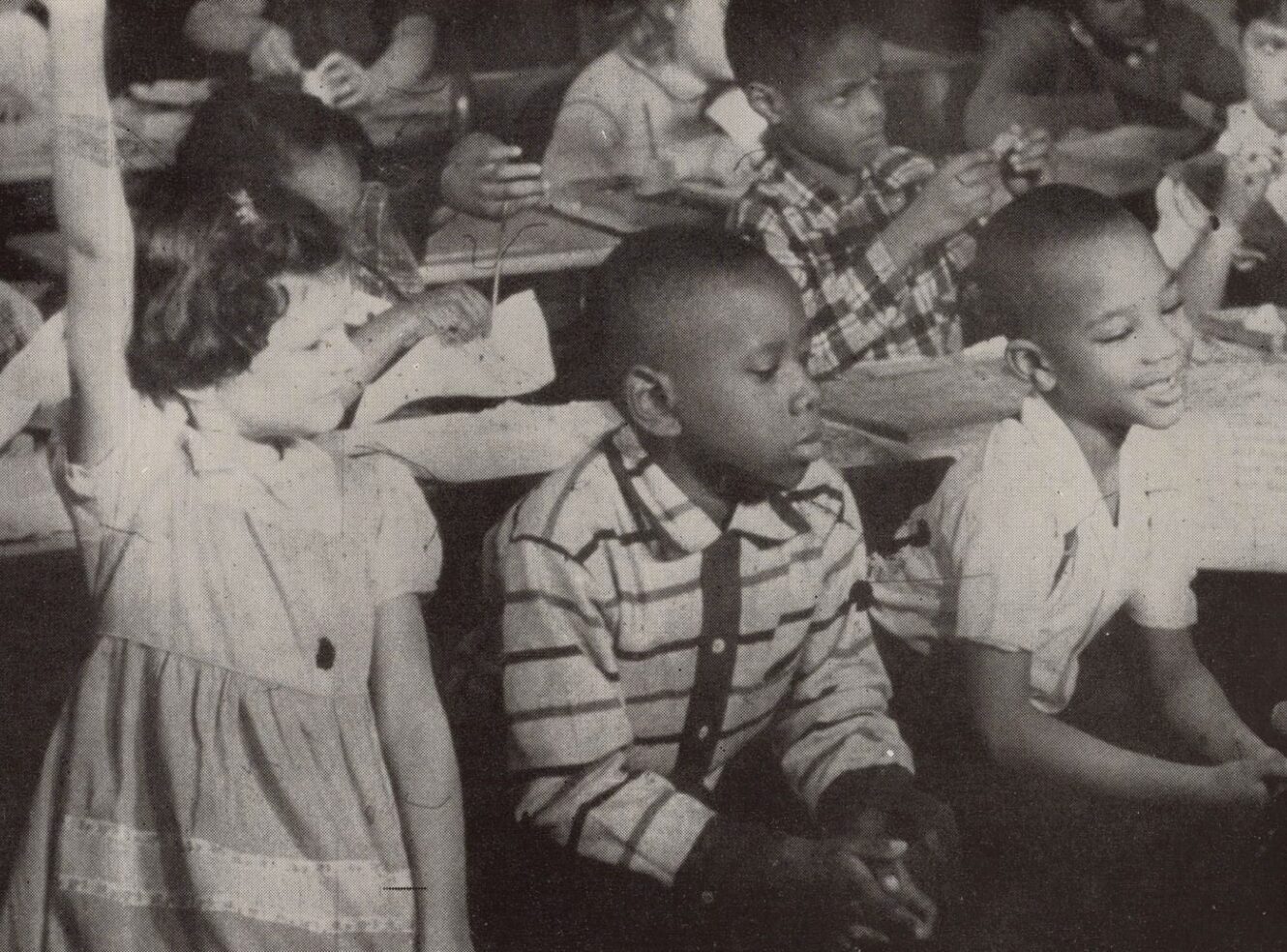 Out of the Mouths of Babes: Prejudice or Hope?
Whilst the census data and Institute speeches available in Race Relations in America offer the opportunity to study the top-level experiences of non-white Americans, the true significance of segregation can be felt in records such as the studies carried out by the Race Relations Department fieldworkers. Parent and pupil interviews, that formed part of the Chattanooga desegregation survey, have the ability to inform, shock and inspire in equal measures.
-
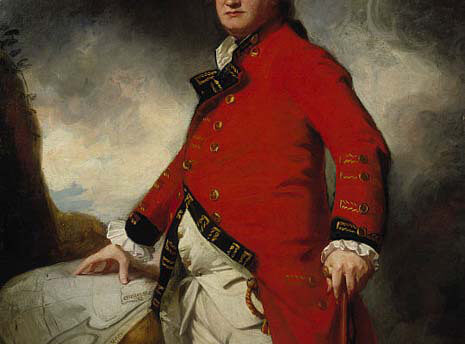 War and Politicks: the Belligerent Career of Colonel James StuartWhen I started working on the newly revamped India, Raj and Empire resource, I expected to find within the material most if not all of the classic elements of colonialism and empire. But what I found most interesting, when digging deeper into the documents, was the vast amount of in-fighting, conflict and corruption going on in the boardrooms and dining salons of the East India Company officials.
 -
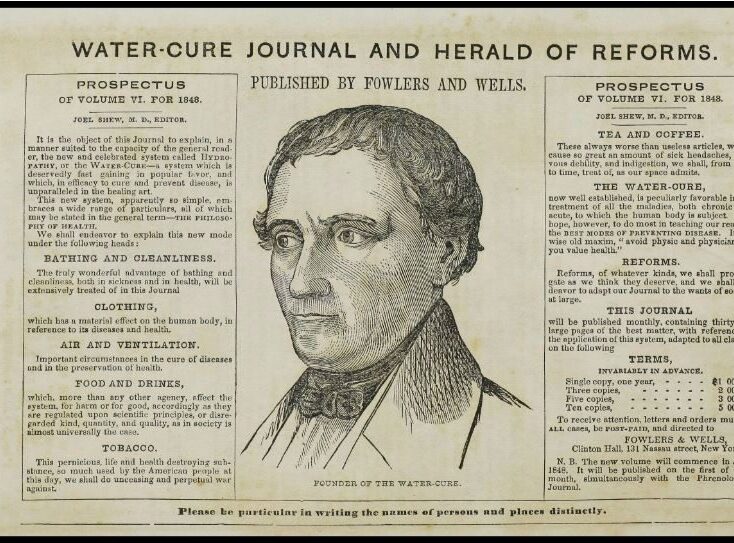 The Water-Cure Journal and Herald of Reform: Understanding Hydropathy in Antebellum America: A special guest blog by Rachel Williams
The Water-Cure Journal and Herald of Reform, included in the Adam Matthew resource Popular Medicine in America, 1800-1900, was the foremost publication of the hydropathy movement in the antebellum United States. Hydropathy, which advocated the internal and external application of water to the body as a means to promote health, happiness, and longevity, was one of several alternative medical practises which gained popularity in America before the Civil War. These “nature cures” appealed to those wary of the increasingly liberal use by mainstream physicians of vigorous and invasive techniques such as bloodletting and purging.
-
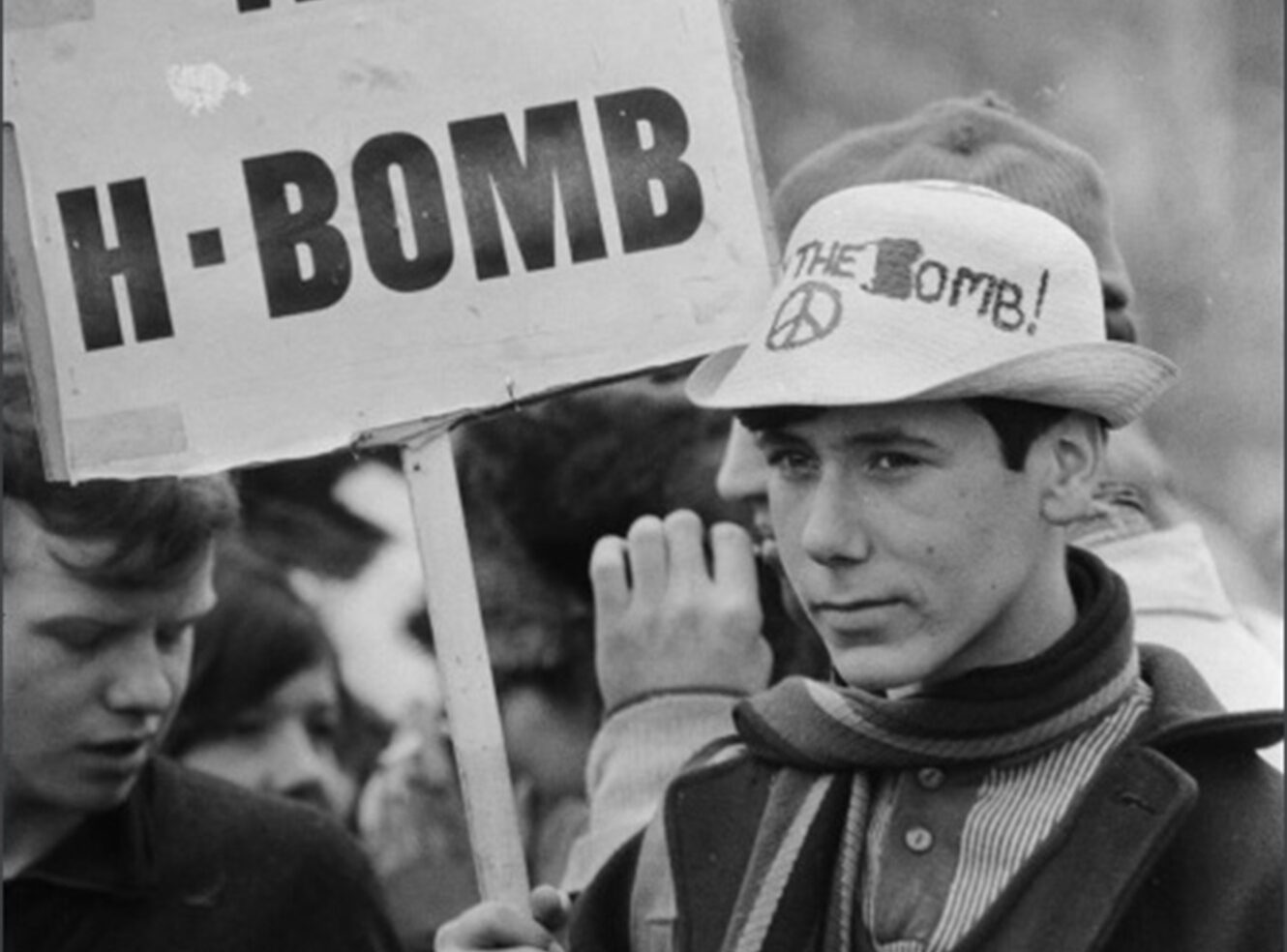 The Power of Protest
In January 2017 people across the world joined peaceful demonstrations protesting the inauguration of Donald Trump and marching in support of causes widely feared to be under threat in his new administration.
-
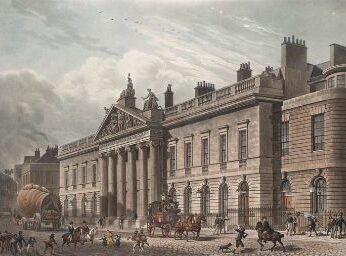 How the East India Company shaped London
Two hundred years ago the massive warehouses and imposing façade of East India House were a constant reminder to onlookers of the power and influence of the East India Company in London.
-
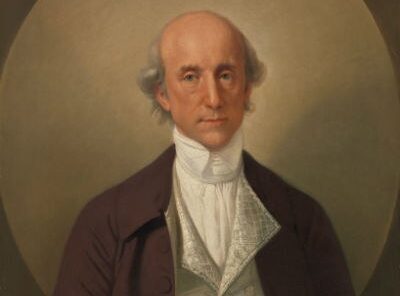 ‘The captain-general of iniquity’: The impeachment of Warren Hastings
One of the many good things about living in a place like Britain, where lots of documented stuff has been going on in a small space for a long time, is that wherever you go there’ll be some historical notable who’s been there before you. Last summer I was wandering around the Cotswolds and passed through Daylesford, for many years owned, I discovered using the power of the guidebook, by Warren Hastings, perhaps the most notorious figure in the East India Company at the height of its power and the penultimate man to be impeached before the British Parliament.
-
 Creating Model Americans: The Mississippi Choctaw Billie Family and Relocation: A special guest blog by Reetta Humalajoki
This 1956 photograph captures a smiling couple with their four children, all dressed in their Sunday best. This is not your average white middle-class family, however. Paul Billie and his wife were members of the Mississippi Choctaw Tribe, who relocated to Chicago in 1953.
-
 Keeping the lid on: the British role in the Canadian Caper
Foreign Office Files for the Middle East, 1971-1981 covers an extraordinary number of topics and events, but one that has captured the world’s imagination for almost four decades is also extensively analysed – the Iranian hostage crisis.
-
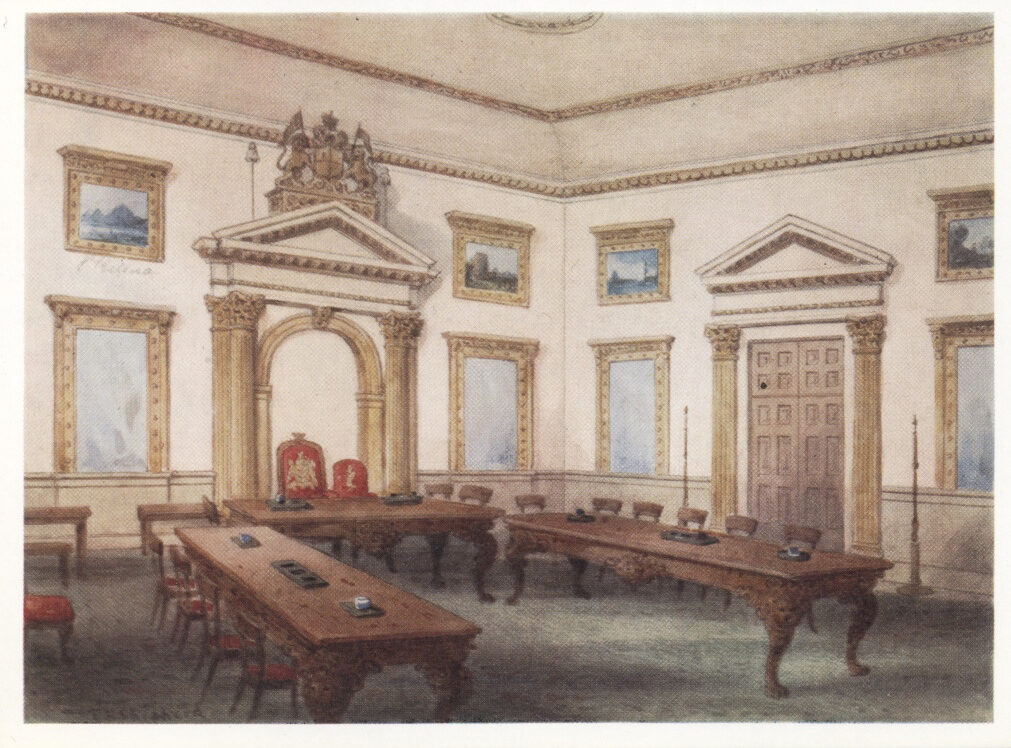 Human stories from the East India CompanyYou might expect the minutes of the meetings of the Court of Directors to be rather dull administrative records. But they are in fact the source of many fascinating human stories. The Directors were responsible for a mighty organisation, but they always made time to consider the requests of individuals who approached them for help, no matter where they fitted into the social hierarchy.
 -
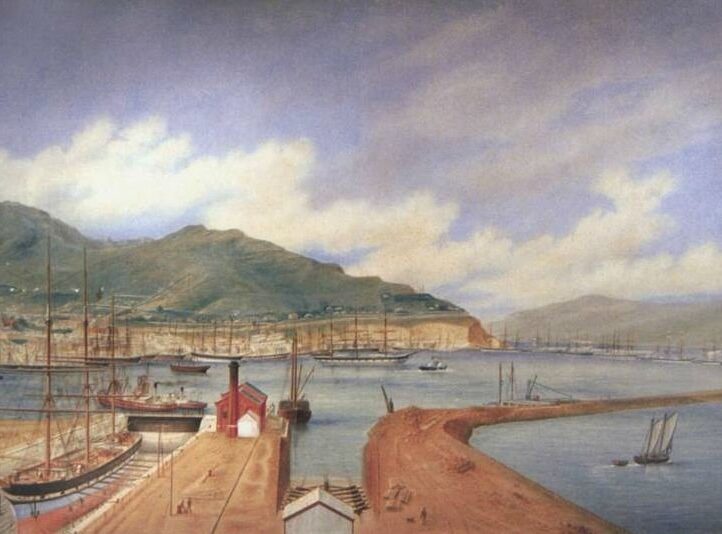 ‘Oh Matron’: A right old Carry On aboard the Cardigan Castle, Christmas, 1876.What do you get if you mix a drunk Matron, a dummy sailor, and a foghorn? No this isn’t another awful Christmas cracker joke, but it is the wonderful combination of elements that make up Sarah Stephens’ very humorous account of Christmas Day aboard the Cardigan Castle emigrant ship. Found within the Migration To New Worlds Collection, Stephens’ account of her voyage to New Zealand in 1876 not only highlights the dangers and difficulties endured by emigrants aboard ship, but gives a unique account of Christmas Day that is both compelling and full of festive fun.
 -
 Christmas on the Front Line
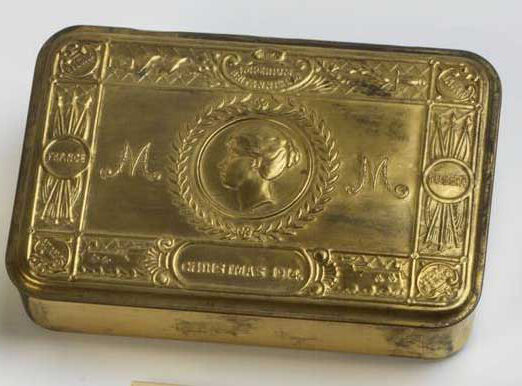
It’s difficult to imagine what Christmas day was like in 1914 for soldiers on the front lines in France, Belgium and Germany. We know that the horrors of war didn’t stop, that fighting continued in many parts and that the unofficial truces were opportunities to bury the dead. But we’ve also heard stories of carols sung across the trenches and football games, and we know that during that Christmas – and Christmases for years afterward – soldiers received a small but very special gift.
-
 A date which will live in infamy
President Roosevelt famously declared December 7th 1941 ‘a date which will live in infamy’. As war raged across Europe, and America - the ‘giant’ - slept on, imperialist forces in Japan plotted a devastating strike on Pearl Harbor. Today marks the 77th anniversary of the deadly attack on that sleepy Hawaiian naval base, an event that would ultimately turn the tide of the Second World War.
-
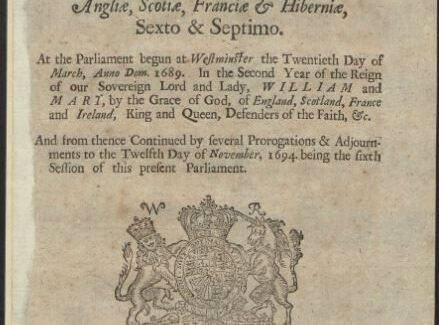 Leisler’s Rebellion: New York’s (not so) Glorious Revolution: A special guest blog by Sophie H Jones
1688: The Glorious Revolution. For many of us, these words bring to mind the overthrow of the tyrannical Catholic King James II and the happy arrival of William of Orange and his Queen, Mary. What few of us immediately consider is the impact of this change in regime upon far-flung colonies across the Atlantic.
-
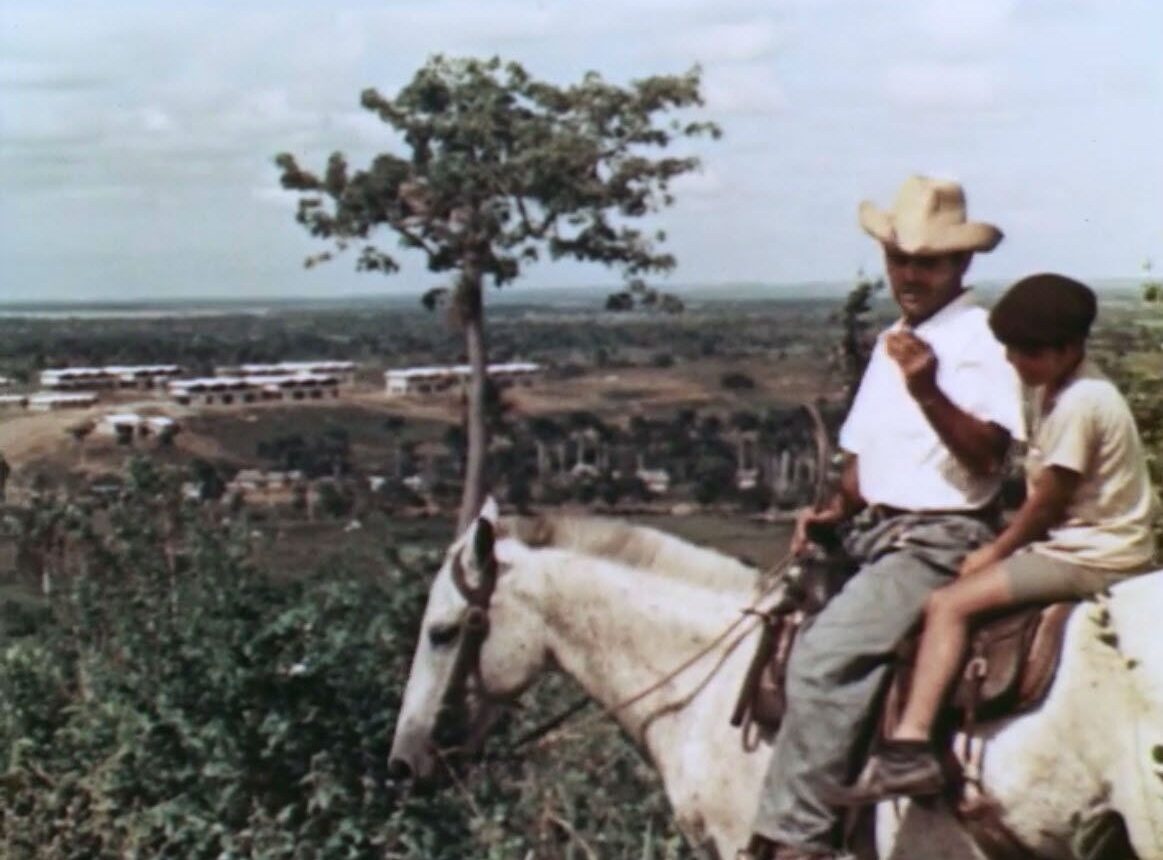 "Our country, or death": Castro's Revolution on Film
With last week’s news of the death of Fidel Castro and Cuba’s nine days of mourning underway, I thought it would be fitting to explore Adam Matthew’s upcoming Socialism on Film resource to discover how the divisive leader and his legacy have been captured on film. I soon found my answer in the 1961 documentary Island Ablaze, a powerful propaganda film which tells the story of the Cuban revolution and explores its implications for Cuba’s future generations.
-
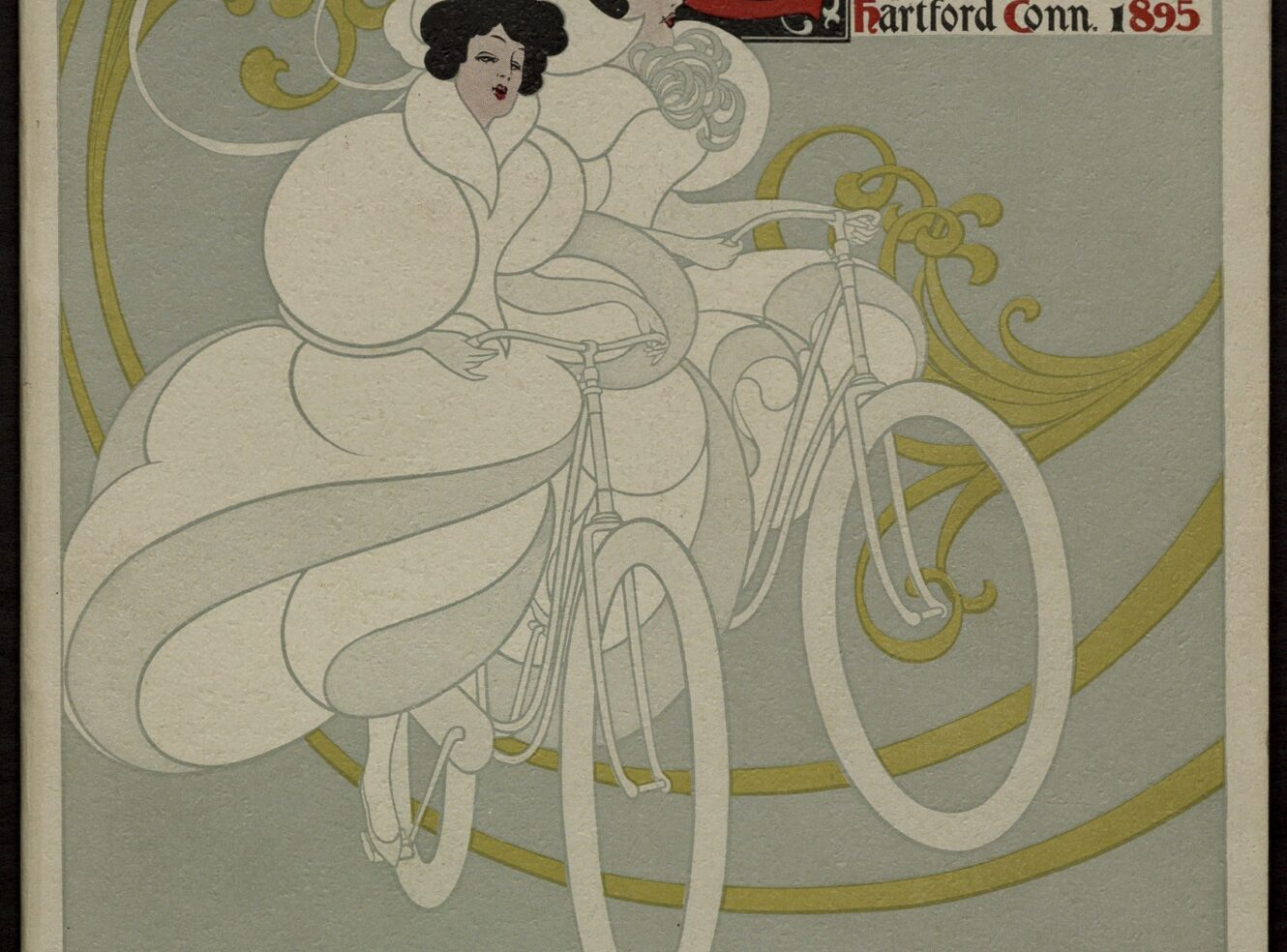 The Freedom Machine
Despite economic depression the 1890s had an air of optimism and progression that led social commenters to name it the “Gay Nineties”. One advance that captured both the enthusiasm and the technological advancement of this era was the booming popularity of bicycles.
-
 Cross-Dressing Actresses: Into the Breeches: A Special Guest Blog by Felicity Nussbaum
Felicity Nussbaum, Distinguished Research Professor of English at the University of California, Los Angeles and Editorial Board member for Eighteenth Century Drama: Censorship, Society and the Stage, discusses female cross-dressing in eighteenth-century theatre.
-
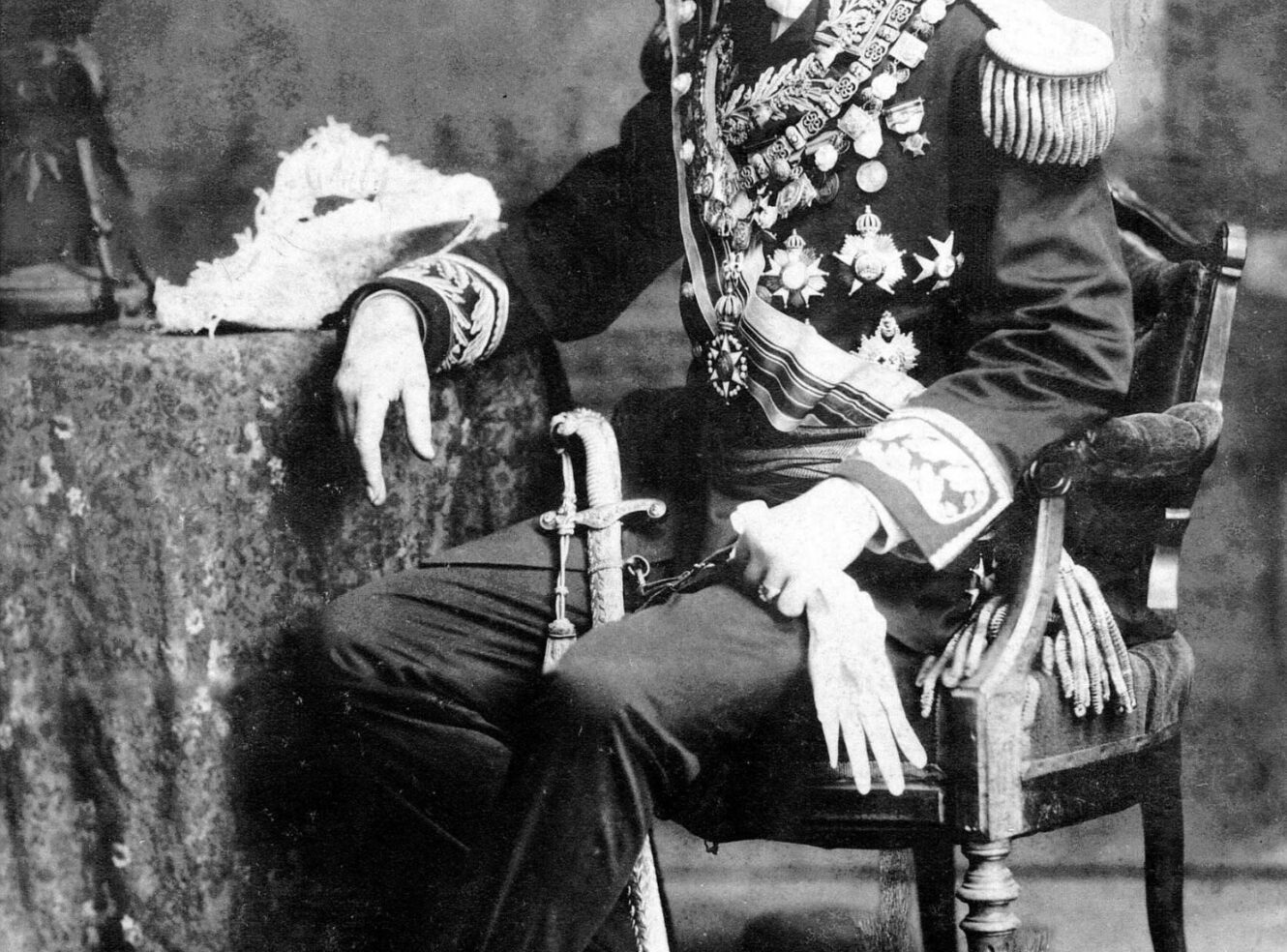 Gaston d’Orléans: Prince, Refugee and General
The Paraguayan War generated significant interest in Europe, and the Foreign Office in London compiled much of the traffic it received into a printed file, for easy future reference. This volume, digitized as part of Adam Matthew Digital’s Confidential Print: Latin America 1833-1969, contains some fascinating insights into the Comte d’Eu’s role in the conflict – and indeed, British estimations of the Prince.
-
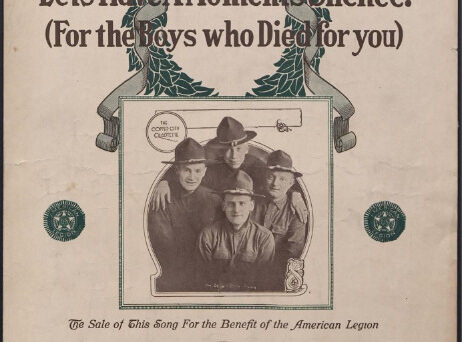 Let's Have a Moments Silence
“Let’s have a moments silence,– Let’s say a pray’r or two,– Let’s give a moment of our time for the boys who fought for you;– Let’s have a moments sorrow,– Let’s pray because it’s thru, Let’s have a moments silence, For the boys who died for you.”
-
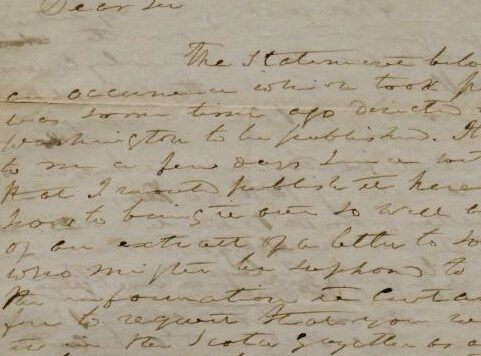 The Dodgy US Presidential Election of 1824
The 2016 contest for the US presidency, fought between Hilary Clinton and Donald Trump, is commonly held to be one of the most bitter and acrimonious American political campaigns in their history. Though as you can imagine, bitter and acrimonious US presidential elections are not in the least bit new in American history. Here’s one.
-
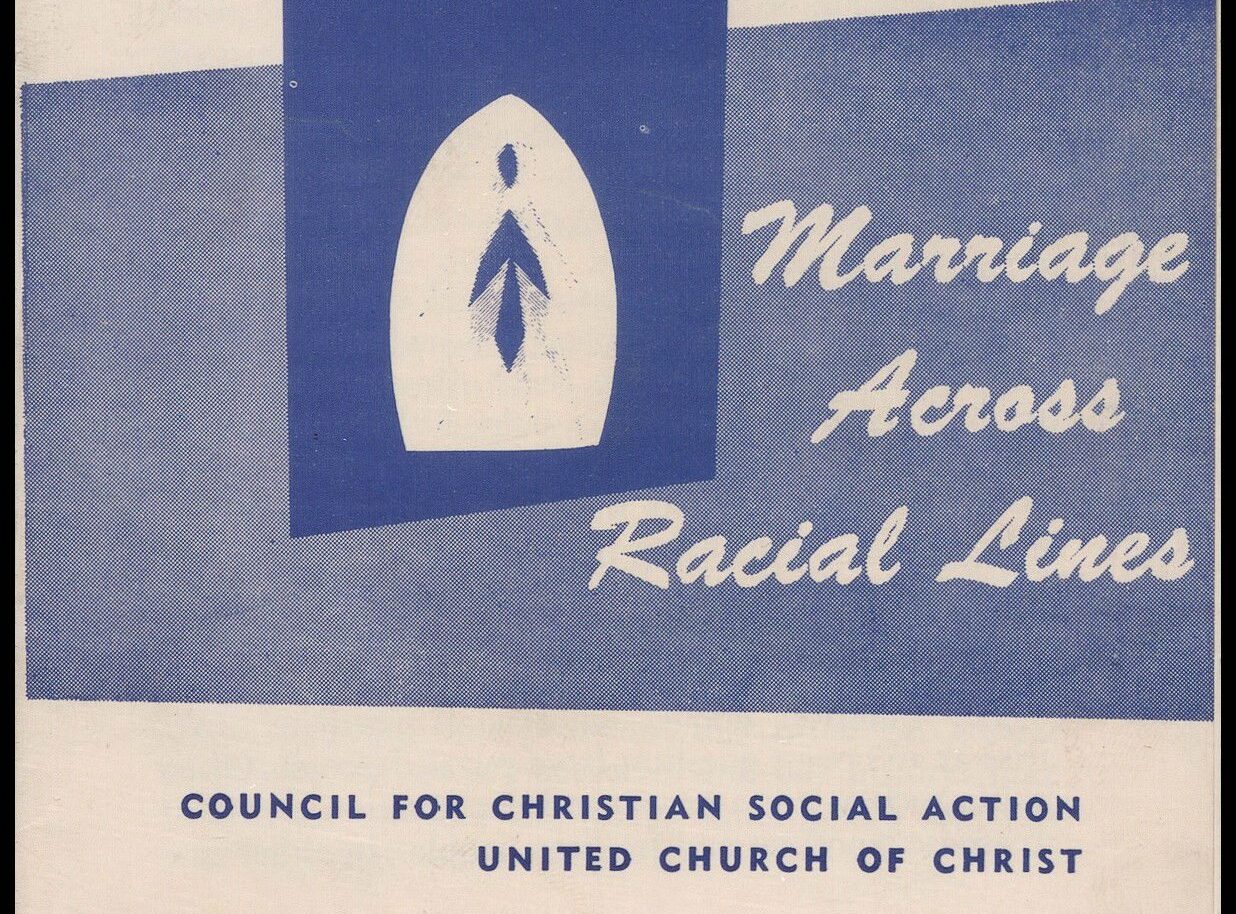 Fighting for the Right to Love
This week sees the release in US cinemas of Jeff Nichols’ film Loving, a dramatization of the story of interracial couple Mildred and Richard Loving whose marriage lead to their arrest under anti-miscegenation laws in Virginia in 1958. With the help of the American Civil Liberties Union, they appealed against the conviction and the case went to the US Supreme Court in 1967 where, in a ground-breaking decision, the convictions were overturned and all remaining anti-miscegenation laws in US states were rendered unconstitutional.