

Blog
Advice and expertise from AM, and special guest posts by leading archivists, academics and librarians from around the world.
-
TitleDescriptionDate
-
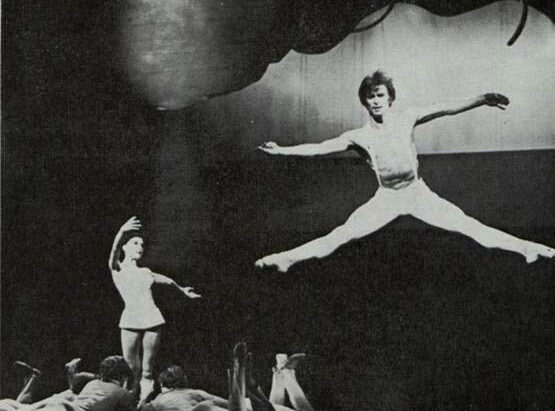 Male Model, Nureyev Type: from Soviet Defector to Pop Culture Icon
My dazzling career prospects as a ballet dancer were brought to an abrupt end at the age of five, when my family moved house and my lessons in the village hall were discontinued. Who knows what I could have achieved, had I stayed? Unfortunately, my insistence on doing the exact opposite of the teacher’s instructions would probably not have gone down well in the strict world of ballet. In my mildly non-conformist way, perhaps I was really empathising with the bad boy of Russian ballet in the 1960s – Rudolph Nureyev who, on this day in 1961, defected from the Soviet Union and caused an international sensation.
-
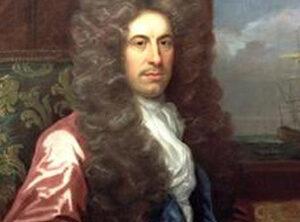 Rumour, Religion and Revolt: Fears of Indian and Catholic conspiracy during Maryland’s Glorious Revolution (1689-1690)
Maryland’s Glorious Revolution (1689-1690) removed the Catholic Lords Baltimore from government in perpetuity. The family would only return in 1715 as Anglican converts. Maryland’s revolution coincided with the Glorious Revolution in England (1688), which replaced the Catholic King James II with the Protestant William III, and the Nine Years War (1689-1697) with France, known in the American colonial context as King William’s War. In 1684 rumour of a Catholic-American Indian conspiracy circulated amongst colonists. The rumours implicated Colonels Henry Darnall and William Pye, and Major William Boreman Sr., a former mariner and Indian trader, each of whom was a wealthy and distinguished planter in Maryland.
-
 A David and Goliath story: Thomas Carnan vs the Stationers' Company
Thomas Carnan was an enterprising individual who had moved from Reading to London and had his eye on the profitable market for almanacs and other such useful items with equally nebulous definitions. In his way, was the Stationers’ Company.
-
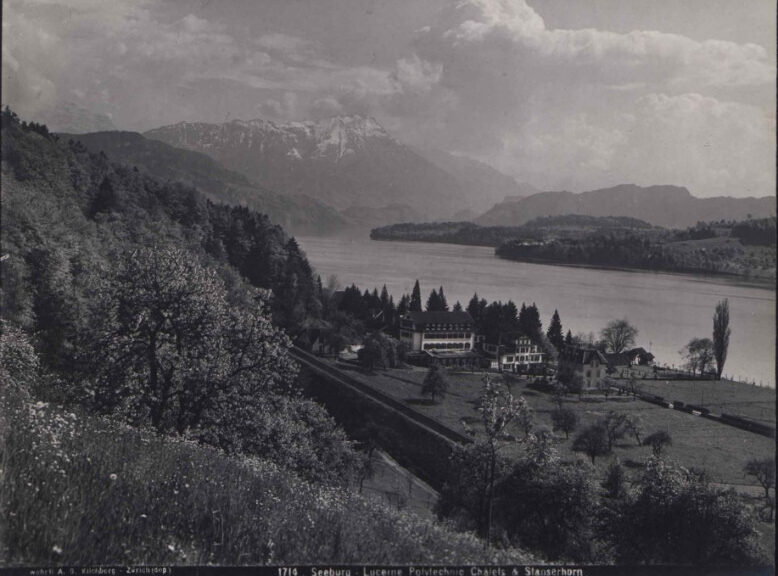 Travelling, travelling, travelling in 1949Summer holidays are in full swing at Adam Matthew with road trips to Germany, honeymoons in Italy and sailing in Croatia. It’s always an interesting time of year to find out what plans people are making, instilling wanderlust in the rest of us. After hearing a few of my colleagues’ holiday plans it inspired me to delve into Mass Observation Online to see what holiday plans people were making in 1949 (and Leisure, Travel & Mass Culture for some nice visual aids).
 -
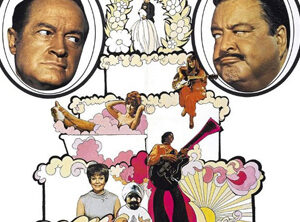 How to commit marriage (and get away with it)
The object I’ve chosen to highlight this week has been inspired by the fact that no less than five of the staff here at Adam Matthew towers are tying the knot this summer. And it’s clear from discussions during coffee breaks that whether it’s wishing we had our own J-Lo with her slick headset, or wondering what Wilson Phillips might actually charge, representations of weddings form a big part of our understanding of and expectations for the big day.Browsing through the entertainment memorabilia collection in our resource Popular Culture in Britain and America, I came across a press kit for the 1969 film How to Commit a Marriage. A fascinating primary source contemporary to a dynamic time in American cultural life, this item offers insight into Hollywood’s approach to marriage.
-
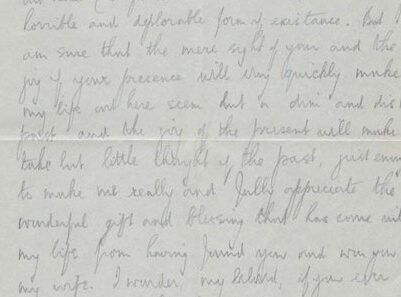 Love Letters from the Front
This time next week, I’ll be spending my bank holiday at The Hay Festival, the annual celebration of literature, art, politics, history (and more) held in the beautiful ‘town of books’, Hay-on-Wye. There’s a huge amount to do at the festival but when the programme came out there was one event I knew I had to see for a second time: Letters Live.
-
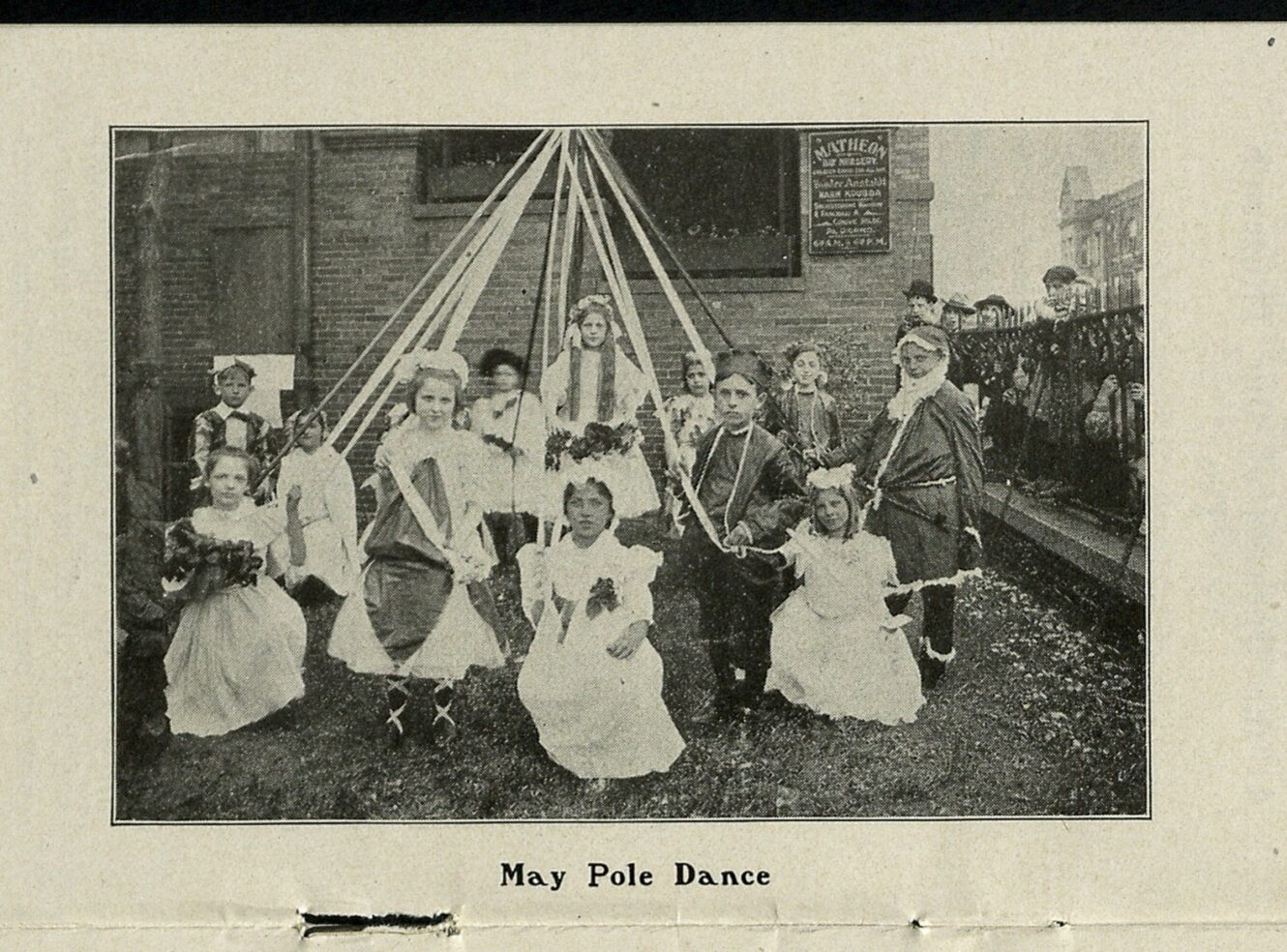 Celebrating May Day, and all it Meant To Chicago Commons
The month of May, for many cultures, is associated with a variety of weird and wonderful events as communities have historically come together to celebrate May Day. Even today many of us will have clear memories of partaking in May Day celebrations, whether it be dressed in ribbons dancing (slightly confused) around a Maypole, or painted up alongside ‘Jack-in-the Green’. As fate would have it, I’ve recently enjoyed delving into The Newberry Library's Chicago Commons Collection used in our up-coming resource Migration to New Worlds: The Modern Era, where the May Day festivities of Chicago are depicted in full swing.
-
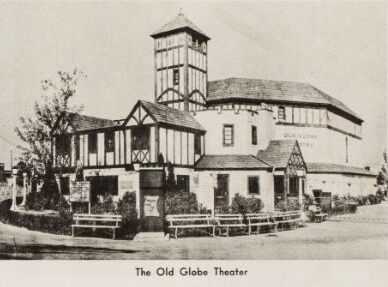 Global inspiration: How World’s Fairs gave us Shakespeare’s Globe
As a development editor at Adam Matthew, I have had the pleasure of working on some fascinating resources from their earliest days. One such project was our World’s Fairs: A Global History of Expositions resource, which is a veritable treasure trove of documents, objects and oral histories that trace the fascinating phenomenon of world’s fairs; another is our exciting partnership with Shakespeare’s Globe archive.
-
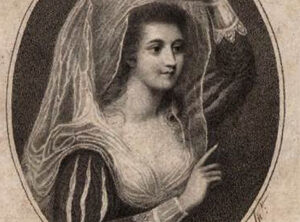 ‘Fame, puts you there where things are hollow…’
The images above are of the eighteenth-century actresses, Mrs Anne Cargill and Mrs Mary Wells; they have been taken from scanned copies of, Dramatic Annals: Critiques on Plays and Performance and an anthology of performers' letters. They are represented here in their famous stage personas of ‘Clara’ and ‘Cowslip’, characters from The Duenna, and The Agreeable Surprise respectively, performed consistently during the last quarter of the eighteenth century.
-
 Building Bionic Men: Replacing Limbs Lost in WWI
For many WWI servicemen, the return to pre-war normality seemed a physical impossibility. According to contemporary data, around one in every seven soldiers was discharged after receiving life-changing and debilitating injuries during the war.
-
 The Magnetic Mountain: Building Socialism in Magnitogorsk
The famed Soviet city of Magnitogorsk came to embody the guiding principles of the Marxist-Leninist revolutionary experiment. The result was the realisation that science and politics could be used to landscape and engineer the perfect society, a socialist utopia.
-
 “Is it possible to build up one’s own discotheque?” Disco hits East Germany in 1972 with some love tagged on.
In the imagination, the iron curtain between East and West during the Cold War era seems to be something impermeable. Especially in terms of cultural exchange and particularly in terms of popular culture. The mind may conjure up a picture of drab, dour and joyless scenes in the East versus a liberated and fun West. Not fair at all it seems - the documentaries and cinemagazines from Socialism on Film give a quick put down to this assumption. In this case the cultural export in question is disco music and the place is East Germany (the German Democratic Republic). It turns out we weren't so different after all.
-
 From Dust to Digital: an archival processing story
In 2010, I was introduced to the Lawrence B. Romaine Trade Catalog Collection (RTCC) as an undergraduate student working on rehousing, sorting and listing hundreds of individual trade catalogs at UCSB Library, Special Research Collections (SRC). The bulk of RTCC was purchased in 1966 and since then, it has grown to include well over the 40,000 items reported in our online finding aid. Decades of additional purchases were made to supplement the various subject areas in this collection. But by 2010, the collection consisted of items that were both catalogued and uncatalogued, some falling apart, others misplaced and all very dusty.
-
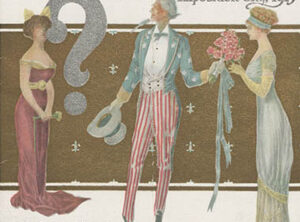 ‘See America First’: International Expositions, Nationalism, and Local Competition
Enumerating the reasons why San Francisco rather than New Orleans should receive federal sanctioning for the 1915 exposition celebrating the completion of the Panama Canal, this illustrated pamphlet urged readers to acquaint themselves with the wonders of the Pacific Coast and to “See America First”. As the first global gatherings of mass audiences, expositions – or world’s fairs – assembled the world in a single site. Designed to showcase the host nation’s progress and achievements, world’s fairs also played an important nationalising function; a task of particular significance for a nation of relative youth like the United States.
-
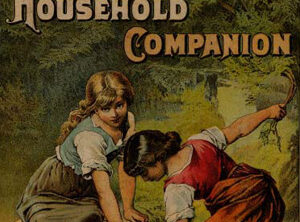 Curiosities and Remedies
Adam Matthew's collection 'Trade Catalogues and the American Home' contains hundreds of catalogues and leaflets related to home remedies, ‘quack’ cures, and items for at-home personal care. These documents provide a fascinating insight into domestic remedies before the days where most people had access to a certified doctor.
-
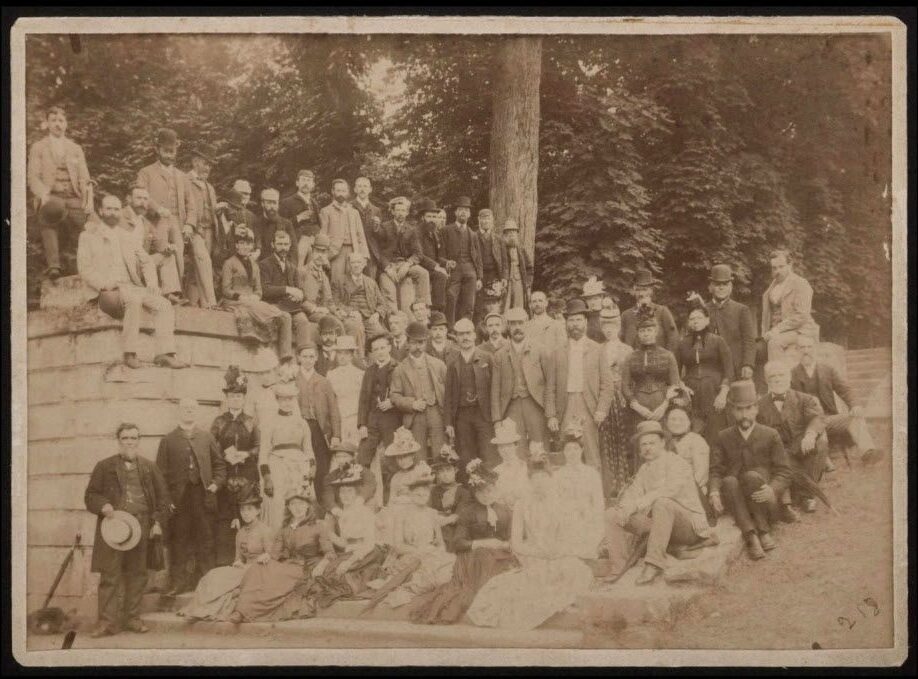 Towering Spectacles. Thomas Cook’s Guide to the Paris Exhibition, 1889
By 1889 the name of ‘Thomas Cook & Son’ was no stranger abroad. From its humble beginnings in 1841 through to railway journeys to the Great Exhibition in 1851 and the first European excursion in 1855, the company had grown into a trusted household name, refining the idea of the organised, inclusive holiday. It is therefore no surprise that in 1889, Thomas Cook & Son organised excursions from both Britain and the US to the next great spectacle in the European cultural calendar; the opening of the Eiffel Tower and the Universal Exhibition in Paris.
-
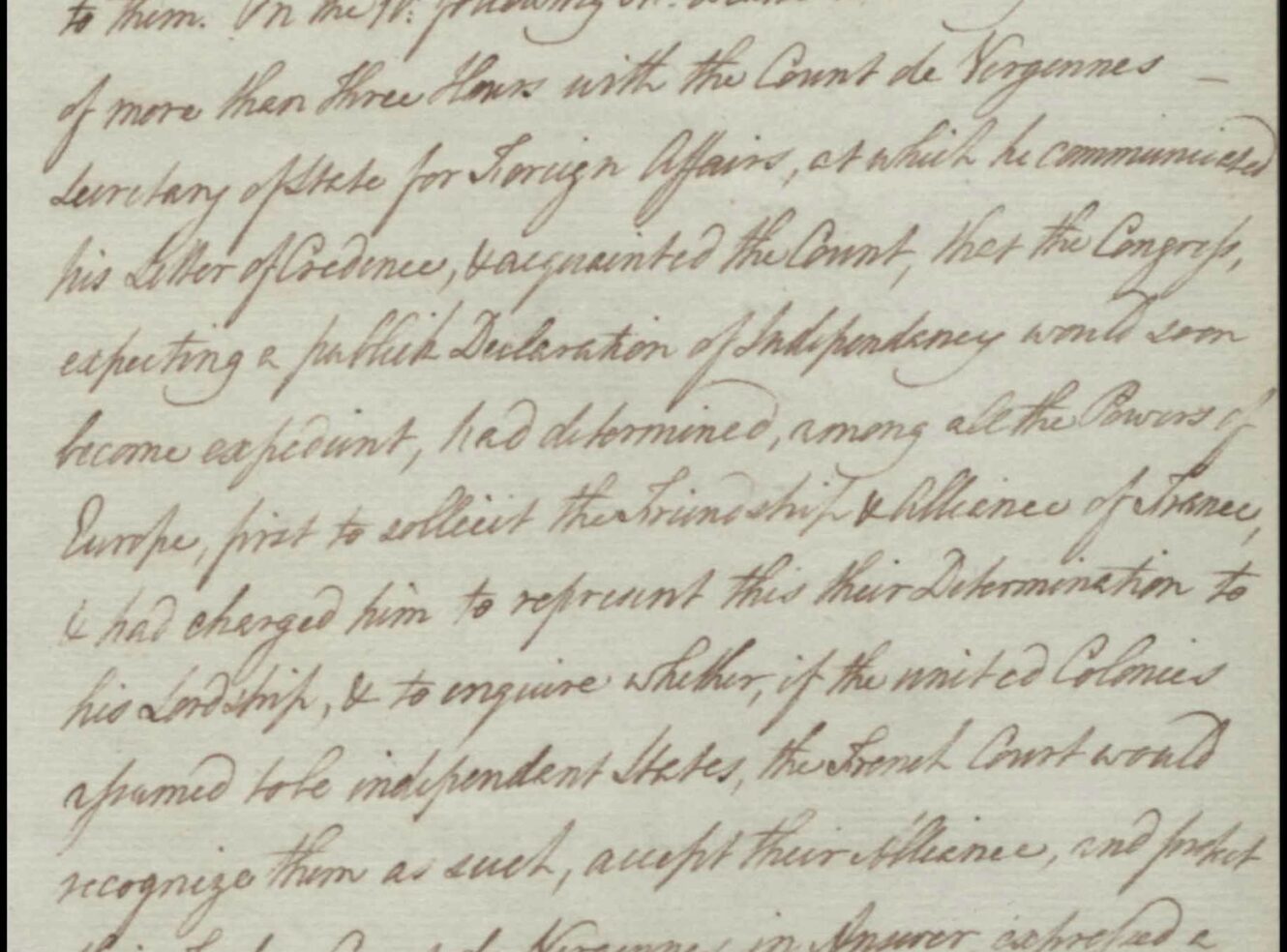 A Declaration of Independence, or a Declaration of Love?
Centuries before America could lay claim to saving France in the Second World War, the French nation entered the American Revolutionary War and potentially changed the trajectory of the bitter conflict with its mother country. But how was this facilitated? Was the Declaration of Independence more of a declaration of love, a wooing of a nation with a common enemy in the form of Britain?
-
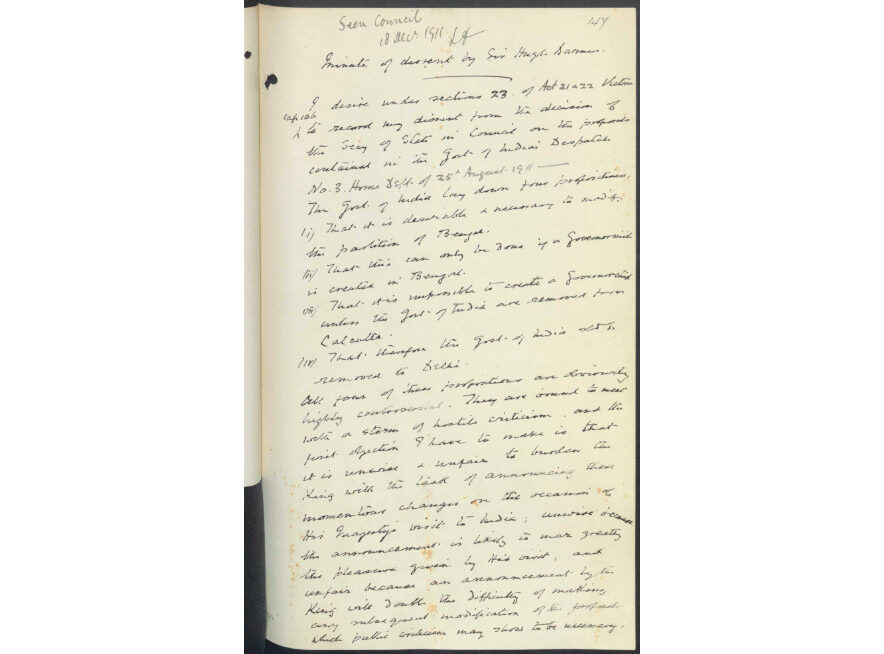 Trade, Governance and Empire 1600-1947: From the East India Company to the Indian Independence Act.
Just 3 months into 2017 Adam Matthew have already published a wealth of exciting new collections, one of which I particularly had my eye on: East India Company Module 1: Trade, Governance and Empire, 1600-1947.
-
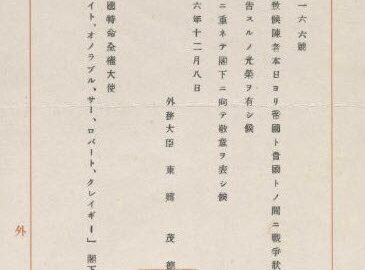 A Reluctant DeclarationHere at Adam Matthew HQ we spend our days jumping from one patch of history to another. This week I travelled to Tokyo, 1941, via the Foreign Office Files for Japan, 1919-1952 collection. It was the 8th December 1941 and like a ghostly time traveller I found myself in the offices of the British ambassador to Japan.
 -
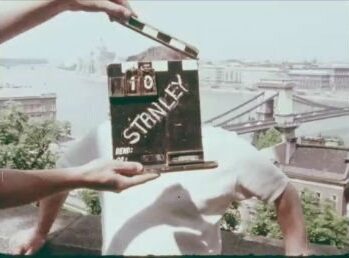 Film, Socialism, Espionage and The Secret State: A Special Guest Blog By Alan Burton
Socialism on Film, the new archive resource recently launched by Adam Matthew Digital, offers many fascinating insights into the practice of cultural propaganda during the Cold War period. It also tantalizingly poses intriguing questions about censorship and repression as the authorities would evidently have mobilized against what would have been seen as subversion in its midst.
-
 Lá Fhéile Pádraig Sona Daoibh! (Happy St. Patrick’s Day!)
Lá Fhéile Pádraig Sona Daoibh! Or for those not fluent in Gaelic (myself included), Happy St Patrick’s Day! Today is the day to honour Ireland’s patron saint. Traditionally, festivities include parades, special church services, wearing green clothing or a shamrock and celebrations of Irish music and culture. But, for some, the Irish national holiday has become too commercialised, associated more with drinking Guinness and generally having a good time.
-
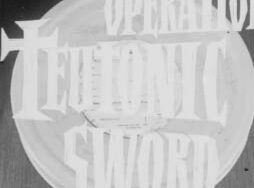 Operation Teutonic Sword
In the Cold War battle for hearts and minds there was documentary film making. In this struggle a small British distributor of left-wing films tried to play its part by showing documentaries made in socialist countries as a counterpoint to Western interpretations of those places behind the iron curtain as menacing and dangerous. Its motto was ‘See the other side of the world’. These were films that often shone a light back on the West and its own misdemeanours. Many of the films it distributed came from East Germany – home of some skilled documentary makers – and one these films in particular led to a legal and political kerfuffle that raised questions of libel, censorship and diplomatic niceties in Cold War Britain.
-
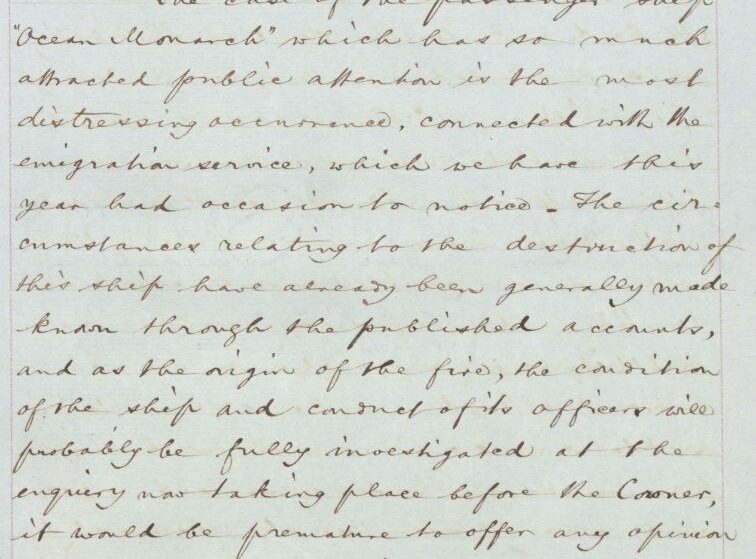 The Tragedy of the 'Ocean Monarch'
On Thursday 24 August 1848, the Ocean Monarch entered the open seas, leaving Liverpool for Boston, Massachusetts with almost 400 souls aboard. Six miles from the Welsh coast, perhaps 25 miles out of Liverpool, the wooden steam-powered barque caught fire. Attempts to control the conflagration quickly failed, and passengers panicked - some throwing themselves overboard clutching their children.
-
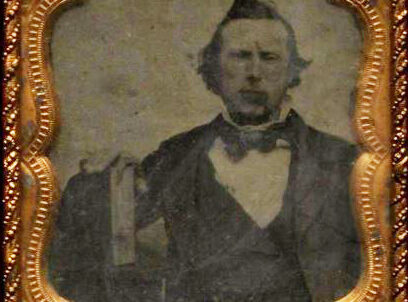 "Little difficulties will get to be great difficulties": Joel Palmer and the Office of Indian Affairs in the Oregon Territory, 1853-56
“Experience has taught us the white and red men cannot always live together in peace,” Joel Palmer informed leaders of the Chenook tribe at treaty negotiations, estimated to have taken place on Saturday, June 23rd, 1853: “When there are but few whites they can get along very well and not quarrel, but when there are a great many they will have difficulty. When they live together there will be difficulties; little difficulties will get to be great difficulties” (25).