

Blog
Advice and expertise from AM, and special guest posts by leading archivists, academics and librarians from around the world.
-
TitleDescriptionDate
-
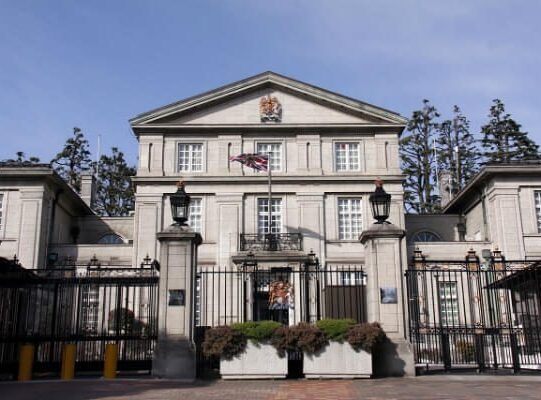 Two Island Nations
As small islands playing on the international stage, historically Japan and Great Britain have been two nations with many shared qualities, but a turbulent relationship. The files in Foreign Office Files for Japan, 1946-1952: Occupation of Japan, released this week, give a fascinating insight into Anglo-Japanese relations in the immediate aftermath of the Second World War, a war that saw their alliance descend into a bitter and bloody conflict.
-
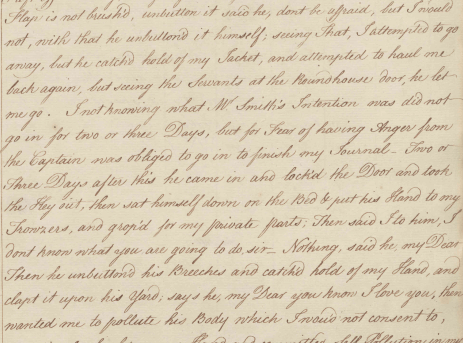 A Batavian prison break: sodomy, execution and an East India Company ship
On the 1st April 1762, an employee of the English East India Company who was stationed in Batavia received a report that a prisoner named John Smith had escaped house confinement. Smith had been detained for nearly two months after being accused of sodomy by an apprentice stationed on an English East India Company ship; the Earl Temple.
-
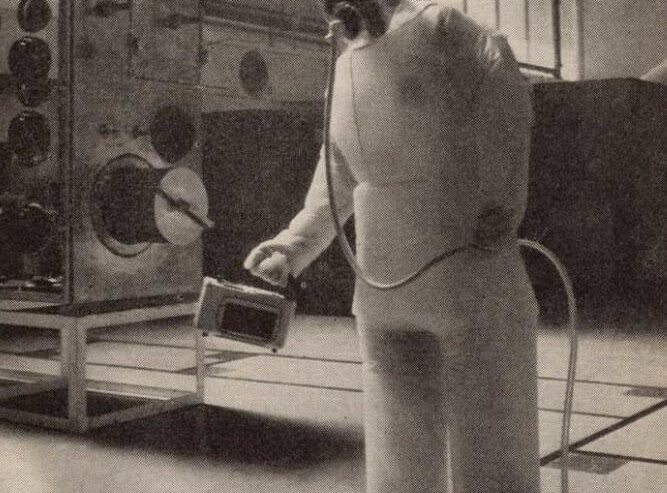
 “The way of progress was neither swift nor easy”: Taking a closer look at the legacy left by Marie Curie.
Marie Curie is a name with which most of us are familiar today. However, while her scientific breakthroughs are now widely recognised and celebrated, Curie faced relentless gender discrimination throughout her life.
-
 A Kodak Picture Speaks a Thousand Words
Eastman Kodak were one of the most recognisable brands managed by the J. Walter Thompson advertising agency. Kodak’s iconic advertising campaigns show why JWT were one of the twentieth century's most successful agencies.
-
 Sun, Sea and Heritage Livestock
Today, 26 January, is Australia Day, which is all the excuse I needed to spend some time on a grey Monday digging though the Australia material in our Leisure, Travel and Mass Culture resource. I was anticipating bright photographs and stylised posters of beaches, and while these were present there’s also some more unexpected content.
-
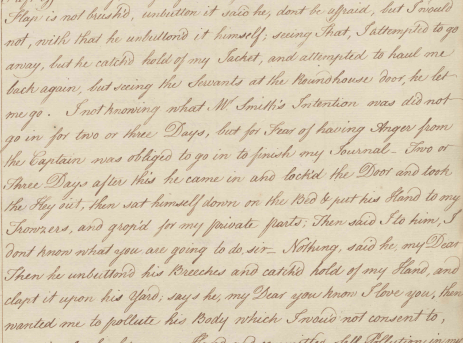 Sodomy on The Earl Temple
Joost Schouten was one of the most capable employees of the Dutch East India Company during the seventeenth-century and so it probably surprised a number of his contemporaries when, on Monday 11 July 1644 in Batavia (now known as Jakarta) he was strangled to death and his body burnt. Schouten had readily confessed to crimes of engaging in homosexual relations while on board a ship called the Franeker, which was travelling from Aceh to Malacca in 1641.
-
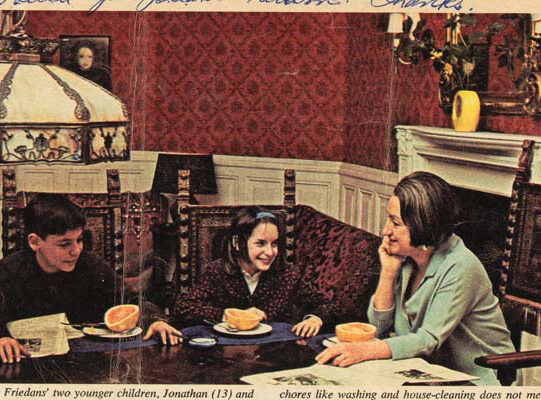 Pish-Posh, Or The Most Important Book Of Our Century
Perhaps no book of the mid-twentieth century would prove as divisive as Betty Friedan’s seminal 1963 tome, The Feminine Mystique. Invited to conduct a survey on the satisfaction of fellow female graduates at a college reunion, journalist Friedan began an intent investigation into ‘the problem that has no name’, that is, a growing malaise amongst women who were seemingly living the American Dream. Credited with sparking the “second wave” of American feminism, the book proved a publishing phenomenon and became a flash point in the war over gender politics.
-
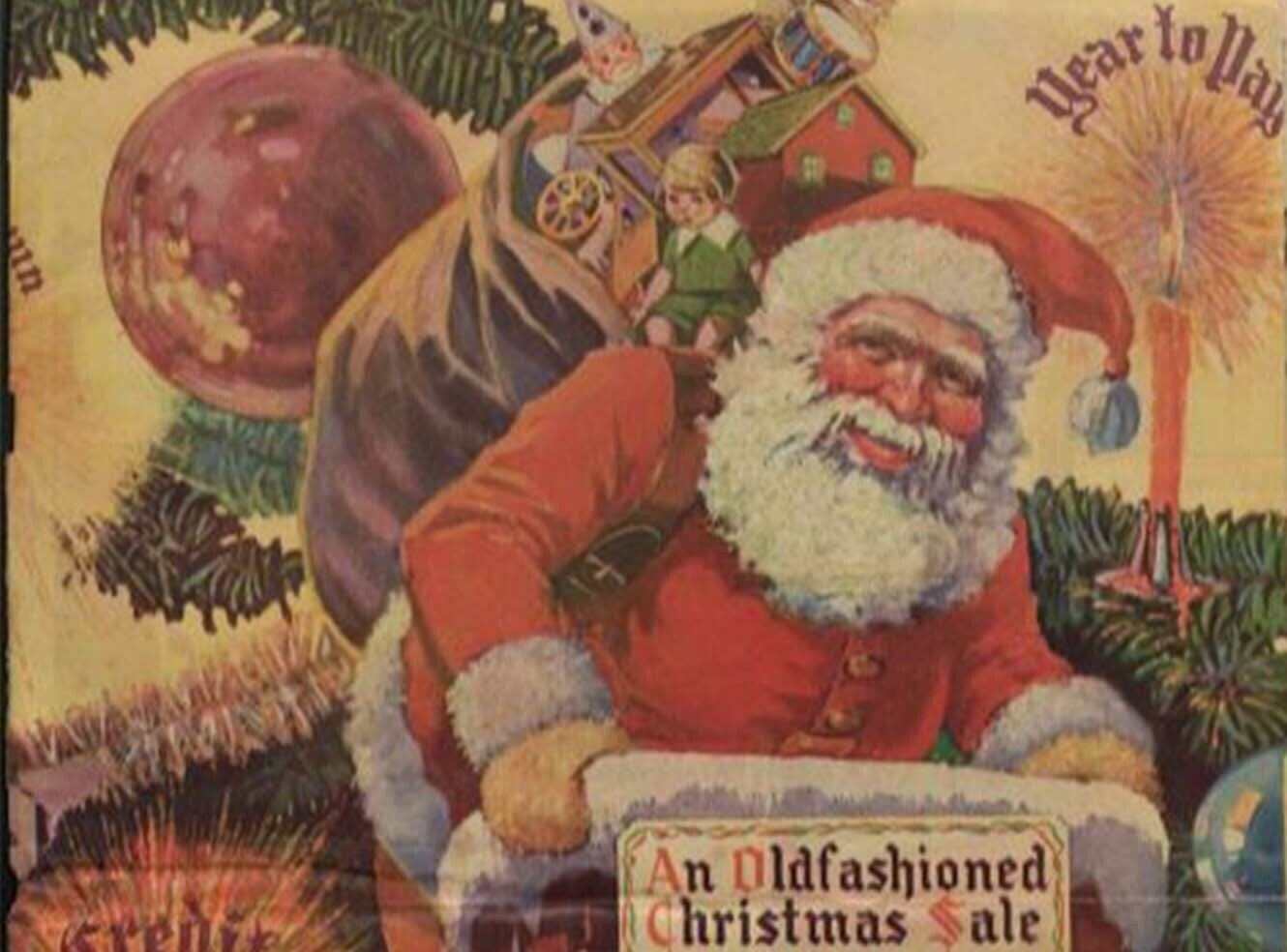 The twelve digital images of Christmas
The season of goodwill, gift giving, holiday, Father Christmas and copious volumes of food and drink is upon us. Like most of us, you probably think you know all you need to about the key elements of Christmas. Yet, historical images of the holiday have varied enormously in their message and impact. So, what better time to rifle through the digital archives and find out how Christmas has been depicted, celebrated, captured and advertised throughout history? From the wacky to the wondrous, the moving to the marvellous (not to mention, the just plain baffling) I present to you, the snappily named, Twelve digital images of Christmas: A miscellany.
-
 “Hollywood is a place where they'll pay you a thousand dollars for a kiss and fifty cents for your soul." Marilyn Monroe
Love her or loathe her, Marilyn Monroe was one of the most alluring starlets to grace the silver screen. Monroe once said that it is ‘better to be absolutely ridiculous than absolutely boring’, and it seems the public haven’t grown tired of her memory yet.
-
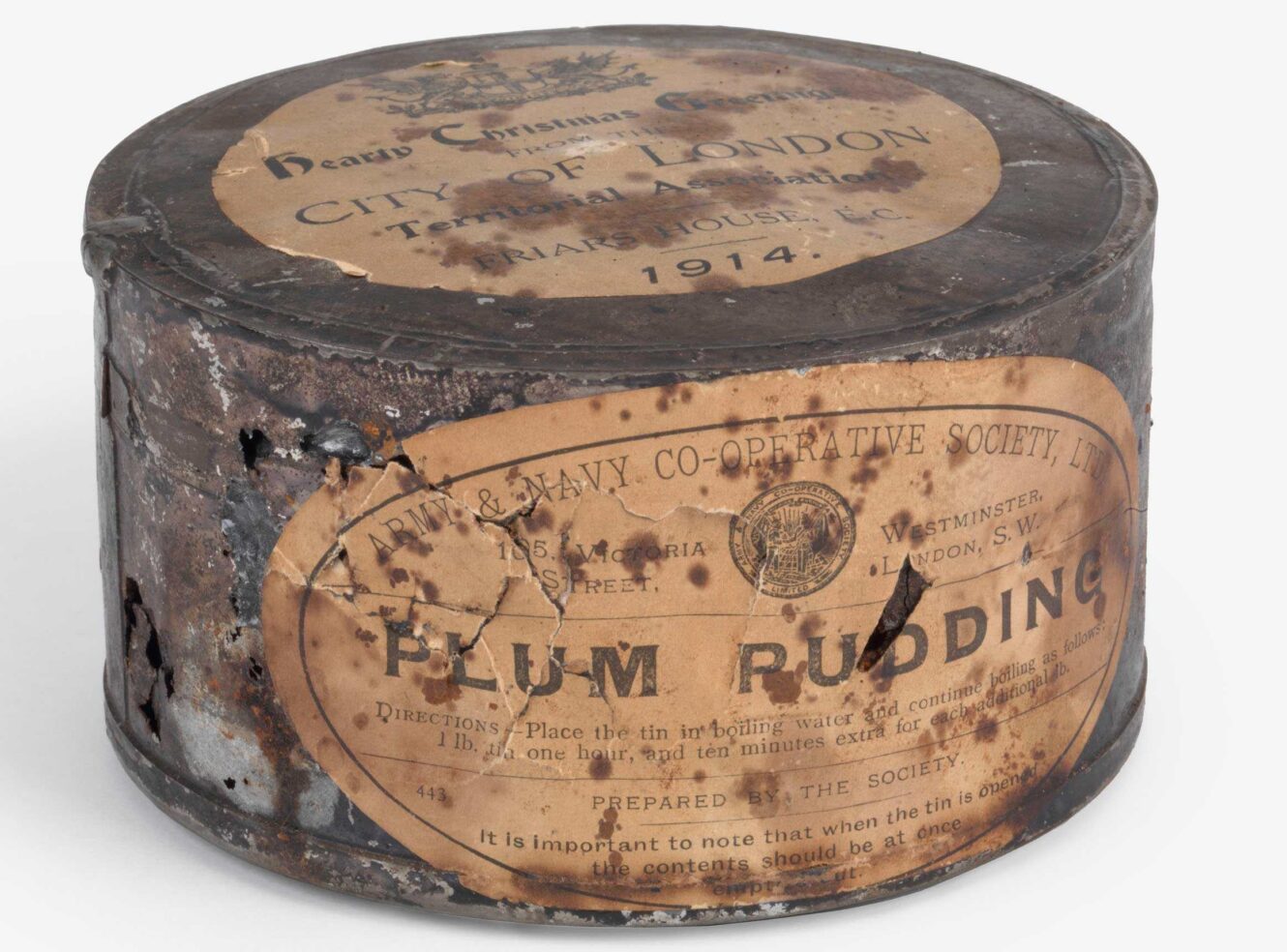 Plum Pudding In A Shell Hole: Christmas Baking In World War I
This week we held a charity Christmas “Winter Wonderland” bake off in the Adam Matthew office. Marshmallow penguins and snowy forest floor s’mores competed against traditional yule logs and cakes decorated with snowmen, Christmas trees and gambolling reindeer. The joy that these seasonal bakes bring to a modern consumer must pale in comparison to that experienced by soldiers in the frozen, muddy trenches of the Western Front during the First World War. From “pop-up” dinners in shell holes and Christmas puddings delivered by messenger motorcycles, to what must surely have been a record-breaking cake, the photographs available in The First World War portal offer fascinating, and at times humbling, glimpses into culinary Christmas celebrations at the front and behind the lines.
-
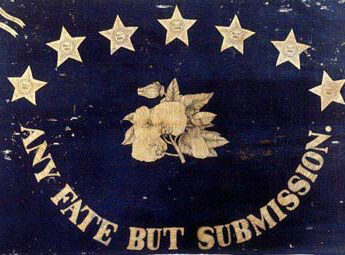 Charles J C Hutson And Confederate Flag Culture: A Special Guest Blog
The letters of Charles J.C. Hutson, a former student of South Carolina College and a soldier in the First South Carolina Volunteers, provide insight on various topics pertaining to the American Civil War era. ... But it is Hutson’s remarks on a company flag from early in the war that this piece will focus upon. Though perhaps trivial at first glance, these remarks offer us a personal perspective on the complex ways in which southerners developed a relationship with their fledgling nation and their wider ideas about the Civil War.
-
 The Great Game Revisited: Afghanistan In The 1970s
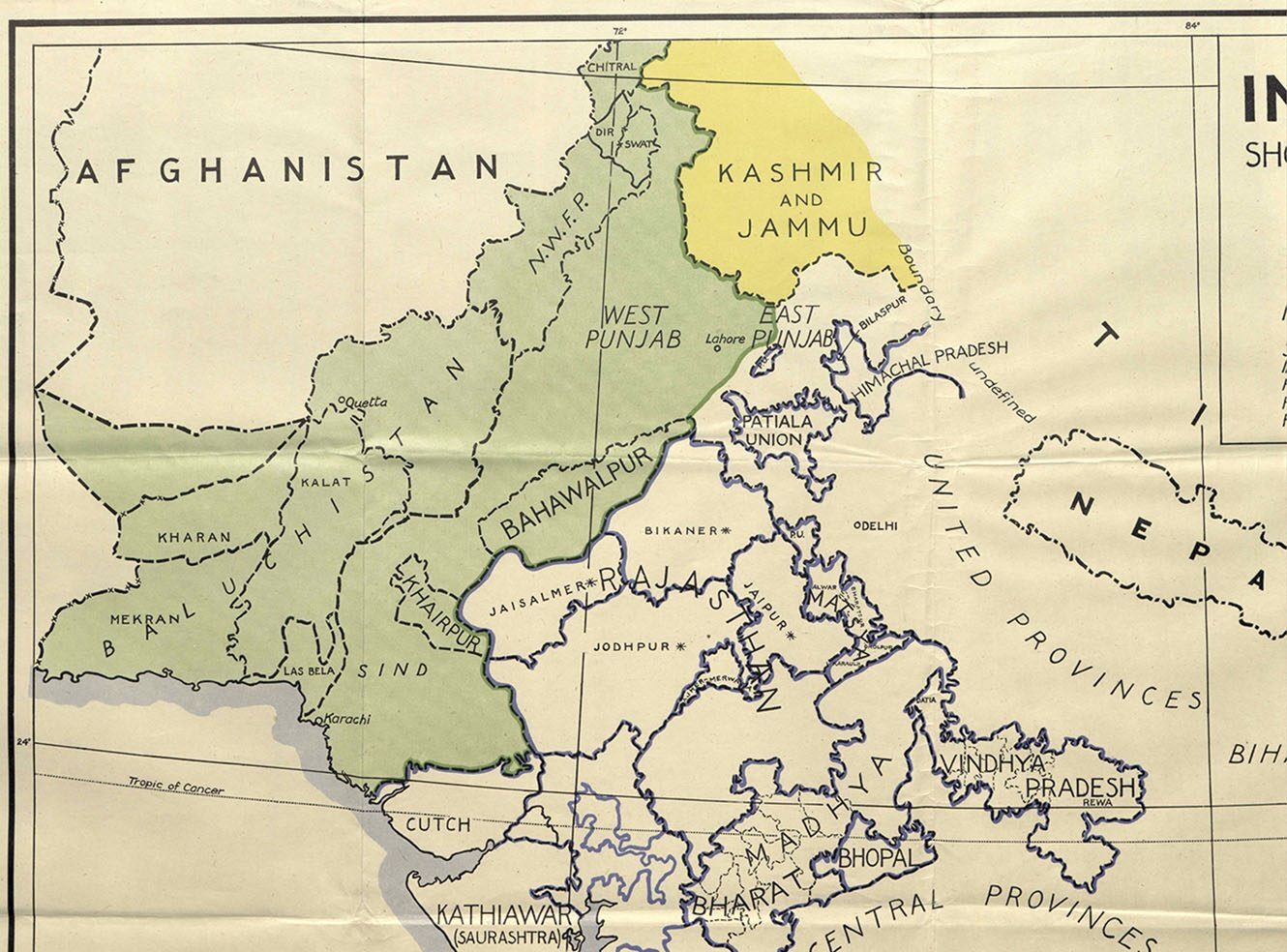
It was in the early 1970s that Afghanistan entered into the spiral of governmental instability, insurgency, outright civil war and foreign interventions that has plagued it to the present day. Amongst the dozens of Afghan-focused files in our resource 'Foreign Office Files for India, Pakistan and Afghanistan' two which date from the regime of Mohammad Daoud Khan, president from 1973 to 1978, shed light both on the circumstances under which he came to power and, with some considerable prescience, on the potential for instability and Soviet intervention which it was feared might follow the end of his rule.
-
 Represented In The American Hemisphere: The United Kingdom, The Rise Of Pan-Americanism And The Canadian Question
Although Canada was excluded from traditional interpretations of Pan-Americanism, British policy-makers grew concerned about the relationship between the two. This guest blog by Alex Byrne provides valuable insights into their reasoning.
-
 'Color Uncle Frank Playful Grey Flannel’: The J. Walter Thompson Colouring Book
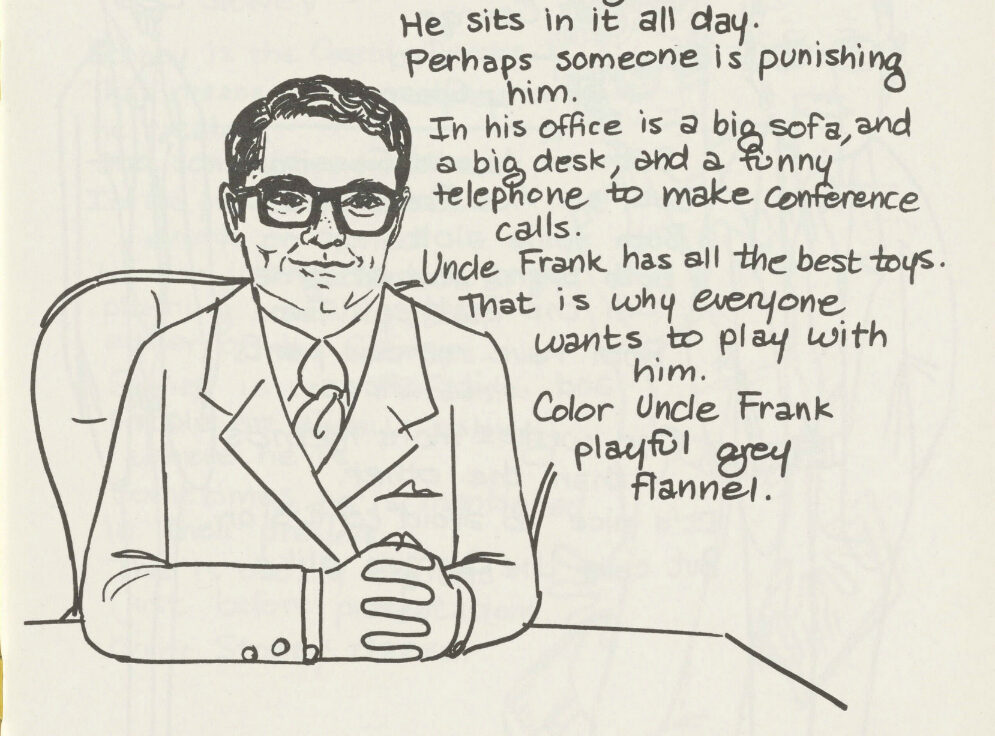
In the long-gone days of 2015-16, adult colouring books suddenly became nothing less than a phenomenon. The Independent even reported that the craze had led to a 'global pencil shortage'. Imagine my surprise, then, when working on Adam Matthew Digital’s forthcoming J. Walter Thompson: Advertising America, I came across a colouring book for adults, released as long ago as 1974!
-
 The Men's Movement
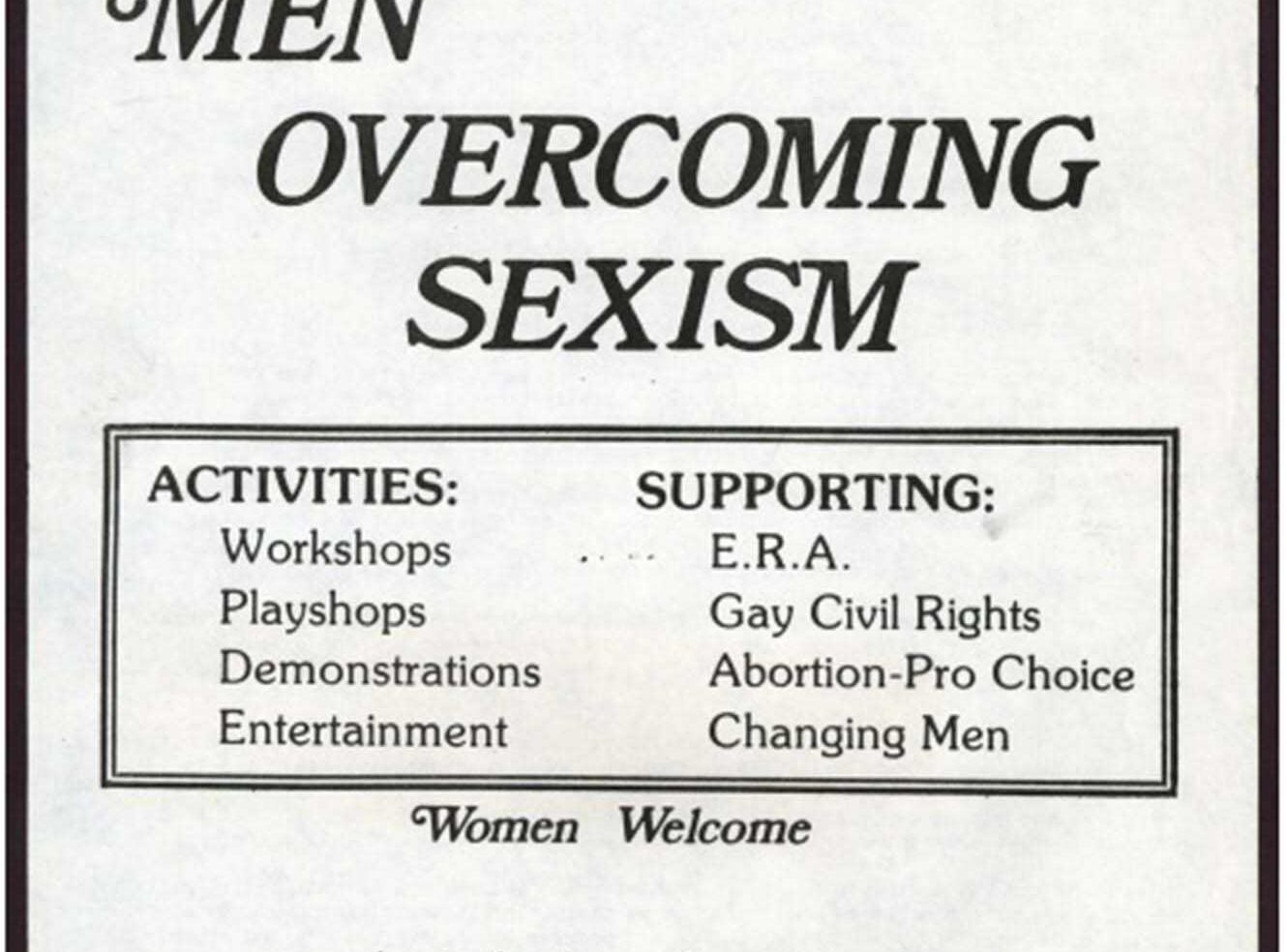
The 1960s and 1970s saw Second Wave Feminism sweep through the Western World. As the feminist debate raged on, small collectives of men wondered what this new definition of femininity meant for their understanding of masculinity.
-
 No Sex Please, We’re British: Stemming The Tide Of STDs During WWI
Global conflict naturally incurs all manner of hardships and challenges, but one that rarely permeates modern discussions of the First World War is the exponential spread of sexually transmitted diseases, or the effort made to curb them.
-
 In the Name of Lenin: Electrifying the Great October Revolution
To celebrate the centenary of the 1917 Russian Revolution, Professor Graham Roberts introduces the 1932 film short, In the Name of Lenin. Directed by Mikhail Slutskii, this 14 minute feature was produced in the USSR to celebrate industrial progress in the years following the Revolution.
-
 October Days: The Bolshevik Revolution at 100
To celebrate the centenary of the 1917 Russian Revolution, Professor Denise J. Youngblood introduces the 1958 film October Days. Directed by Sergei Vasiliev, the film was produced in the USSR to celebrate the 40th anniversary of the October Revolution and makes for a fascinating case study in Soviet memory.
-
 Keep Calm and Candid On
This week I’d like to bring you some good news. Well, as ‘good’ as news could get for the British Army in Italy during the spring/summer of 1944. While working on the Service Newspapers of World War II: Module 1 collection I had access to a variety of high-profile publications like “Union Jack”, “Stars and Stripes”, and “Blighty”; each a heady mix of pin-ups, atrocities, and shoe polish advertisements.
-
 Wallpaper Newspapers of the American Civil War
There was a time in Britain when fish and chip takeaways were clad in unused newspapers, prompting the wry saying that today’s news is tomorrow’s fish and chip wrapping. In a small twist on this, these items from American history below give us an instance of today’s wallpaper becoming tomorrow’s news plus an interesting symbol of the disparity in resources between two sides of a civil war.
-
 Surviving the American Civil War: An Interactive Patient Database
To celebrate the release of Medical Services and Warfare: 1850-1927, Adam Matthew Digital is providing free access to the interactive Civil War patient database Surviving the Civil War available to explore for 30 days from 24th October 2017.
-
 The Battle of Passchendaele
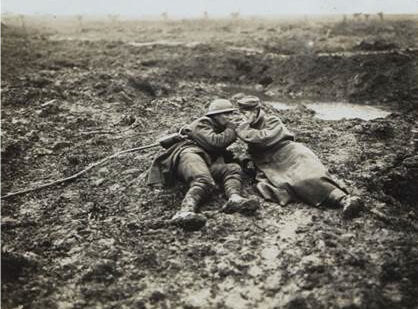
“I died in hell – they called it Passchendaele” – A century on, Passchendaele is commemorated through the words of poet Siegfried Sassoon. But it can also be remembered through the memoirs and diaries of the men who experienced the events. Perhaps the First World War battle that is today most present in the collective British consciousness is the Somme, but at the time this battle was synonymous with the hopelessness and horror of what was playing out on foreign fields.
-
 “Ever Yours”: The Florence Nightingale Papers and Handwritten Text Recognition Technology
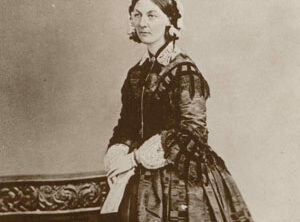
Medical Services and Warfare: 1850-1927 is a major new resource that examines the history of injury, disease, treatment and medical development within and around conflicts of the nineteenth and twentieth centuries.Collecting more than 4,000 documents from archives and libraries from the UK and North America, this resource includes the outstanding Florence Nightingale Papers from the British Library, comprising correspondence, notes and reports written between 1847-1889.
-
 A Stone in Peleg Bradford’s Shoe May Have Saved His Life: A Special Guest Blog by Jake Wynn
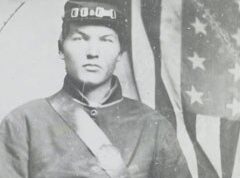
On June 17, 1864, while on the picket line outside Petersburg, Virginia, Private Bradford crouched down to remove the rock from his shoe. Just then, a Confederate sharpshooter took aim and fired. The bullet smashed through Bradford’s leg, which was raised as he attempted to put the shoe back onto his foot. “He always said he was sure that the Rebel sharpshooter had aimed for his head,” wrote Richard Bradford, Peleg’s grandson, “He always figured he swapped his knee for his head.”