

Blog
Advice and expertise from AM, and special guest posts by leading archivists, academics and librarians from around the world.
-
TitleDescriptionDate
-
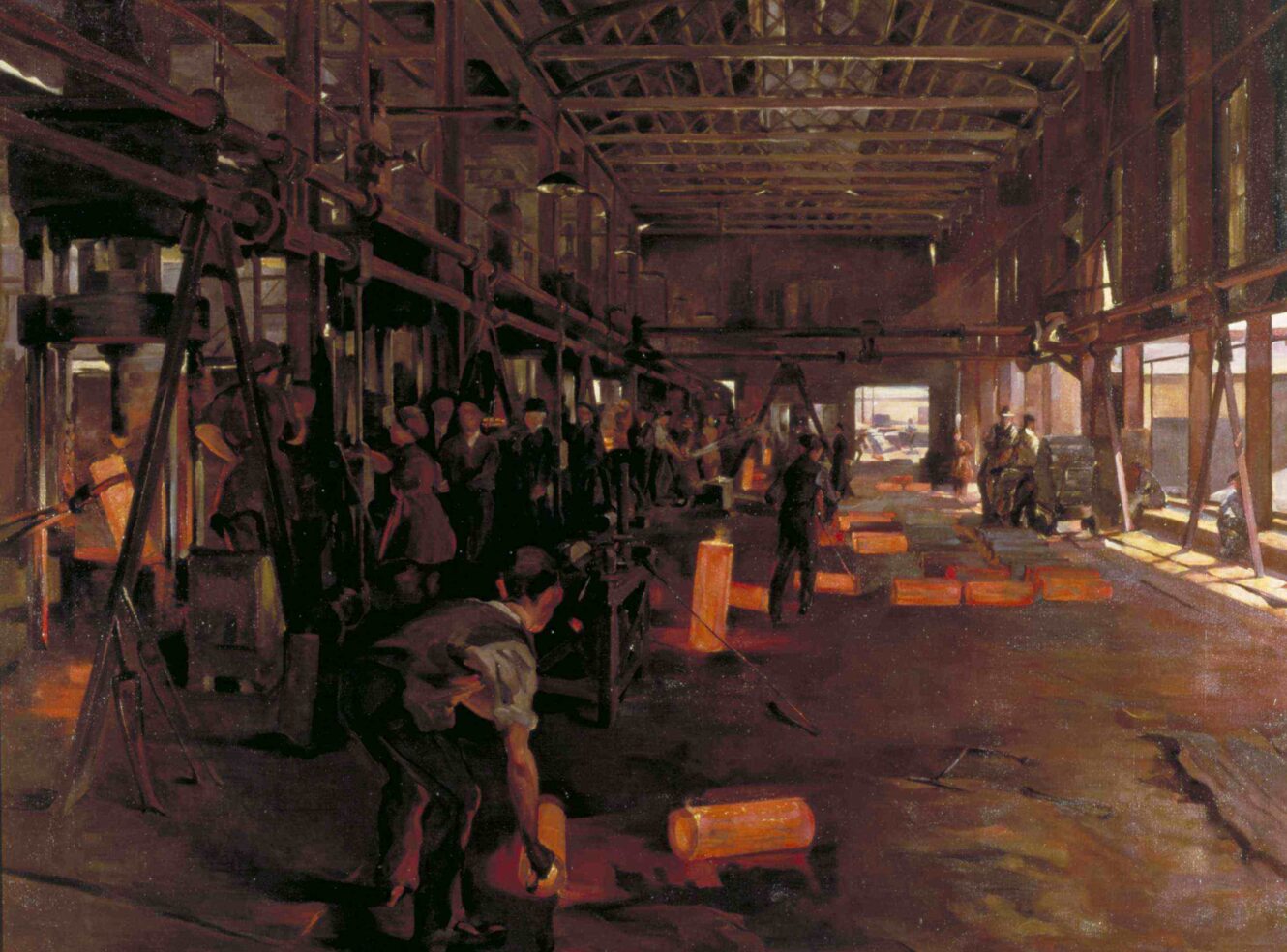 Shoes burnt off my feet: Anna Airy on painting the ferocious heat of WWI shell furnaces
A newspaper clipping begins with the following account: ‘A lady engaged in painting, for the Imperial War Museum, in a large munitions factory was watched by two workmen. Said one, “She’s sketchin’ for the papers, ain’t she?” His mate, better informed, replied, “Naow, she’s from the Ministry, she is” and added as an afterthought, “but she seems to know ‘er job"'. The workmen were discussing Anna Airy who, whilst considered one of the leading British women artists of her generation, was also one of the first women to be officially commissioned as a war artist, one hundred years ago.
-
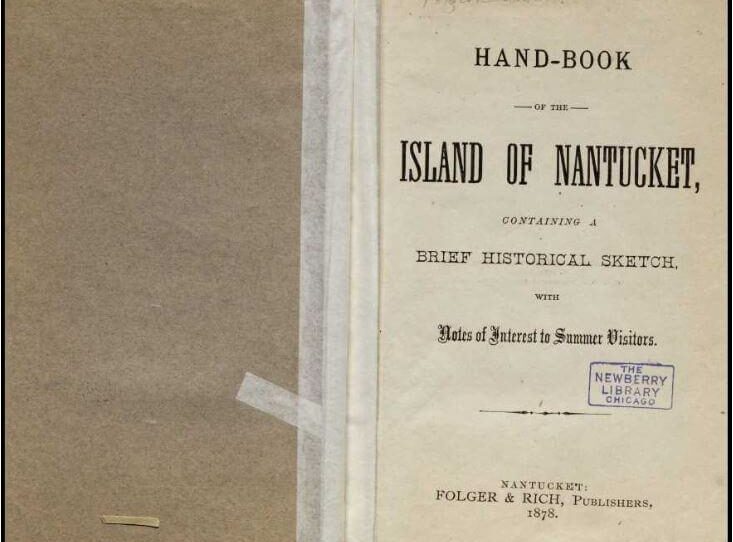 Nantucket as a Summer Holiday Destination
The small spit of land off the coast of Massachusetts which maps refer to as ‘Nantucket’ was called the ‘far away land’ by its first settlers, the Wampanoag Nation. Nowadays, this small island, which at just under 273 km squared is smaller than Malta or the Maldives, is easy to reach by long-distance bus and the ‘Cape Flyer’, by high-speed ferry or by commercial airline.
-
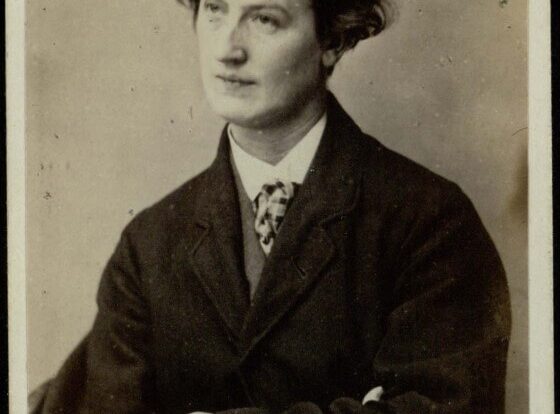 Pea Pickers, Fisher Girls and Market Women
The Munby collection was bequeathed to Trinity College on the understanding that the deed boxes in which it was held were not to be opened until 1950. Shrouded in secrecy until that date researchers and scholars must have been elated to find the remarkable diaries of Arthur Joseph Munby contained inside. Those opening the boxes also found photograph albums, poetry and an additional set of diaries written by Munby’s wife Hannah Cullwick. This extraordinary collection featured in Gender: Identity and Social Change, is enhanced with Handwritten Text Recognition (HTR) technology to enable full-text searching of the manuscript material.
-
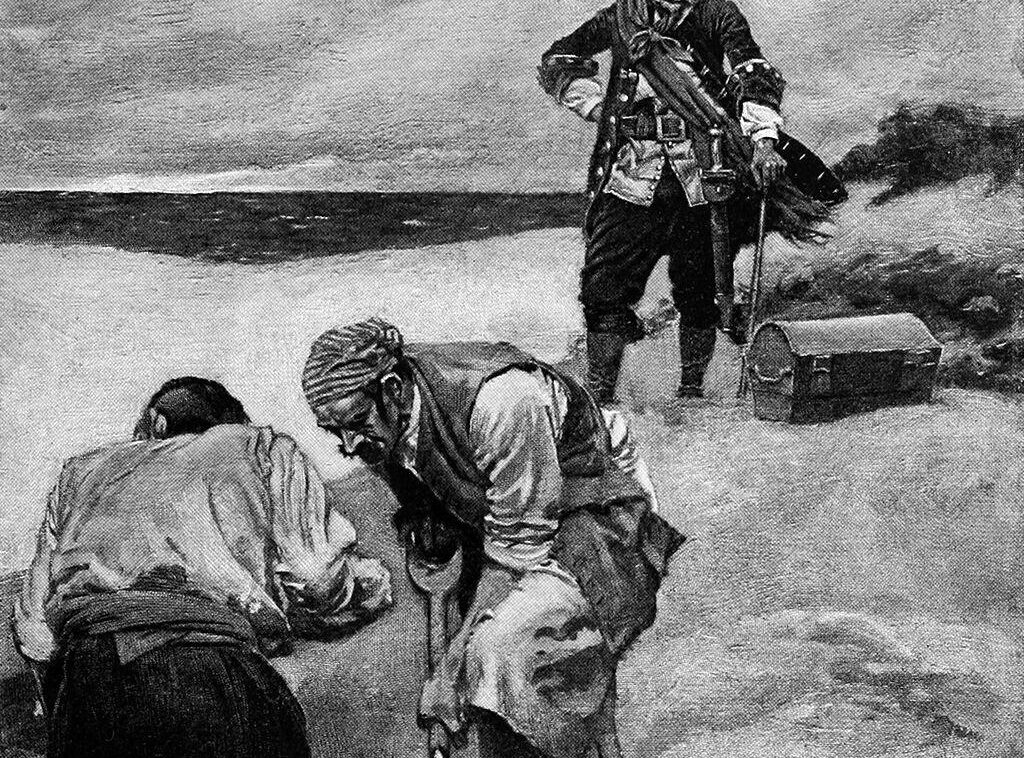 In Search of Captain Kidd's Lost TreasureLast week saw the anniversary of the execution of one of history’s most notorious pirates: Captain William Kidd. Late in the afternoon of Friday 23 May, 1701, William Kidd stepped up to the gallows on the shore of the River Thames at Wapping, east of London.
 -
 Royal Weddings through The Years: Queen Elizabeth & Prince Philip, 1947
Delve into Service Newspapers of World War Two to explore the headlines sent from home to battlefield, to report on the wedding of Princess Elizabeth and Philip Mountbatten, Duke of Edinburgh (i.e. the late Queen and Prince Philip).
-
 A Chilling Mystery: Franklin's Fatal Arctic Expedition
Nineteenth-century exploration produced countless thrilling tales of derring-do, but the epic story of Sir John Franklin’s ill-fated Arctic expedition is a blockbuster.
-
 The Time for Propaganda
During this Age of Information (or should I say Too Much Information?), it’s difficult to log onto any social media site and avoid the turbulent disorder that is the world’s political stage. We’re constantly being exposed to some kind of political scandal or conflict that we simply must be aware of to stay well-informed. And so, with the waves of Wi-Fi reporting on nuclear deals gone wrong and the world on another precipice, I thought I’d serve up the AMD Special: a film from the archives of the British Film Institute.
-
 Edward S Morse: A look at Meiji Japan
The late 19th century was a period of immense social, economic and political change in Japan, known as the Meiji Restoration. It was into this time of turmoil and opportunity that American zoologist Edward Sylvester Morse (1838 – 1925) visited Japan for the first time in 1877 to study coastal brachiopods. ... He had a keen eye for observation and was talented in making detailed sketches which accompanied his academic work.
-
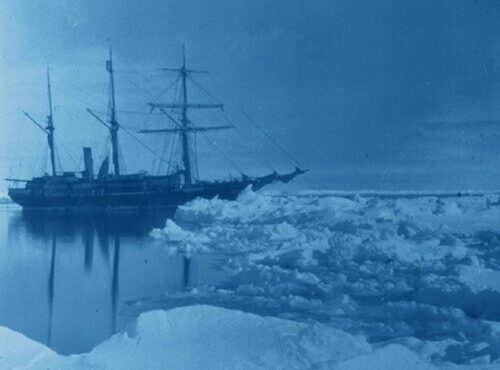 The Last Heroic Stand in the Age of Exploration
Age of Exploration, Adam Matthew's new collection for May 2018, contains over 2,400 documents that reveal the history of maritime exploration; explorers, navigators, diplomats, pirates and spies all feature in the pages of this fantastic resource. Well-known voyages of Columbus, Vasco da Gama, Captain Cook, Abel Tasman, Bligh’s Bounty and the infamous mutiny aboard its decks, and Franklin’s lost expedition, to name a few, are represented within the collection. One such famous expedition is Shackleton’s aptly named Endurance.
-
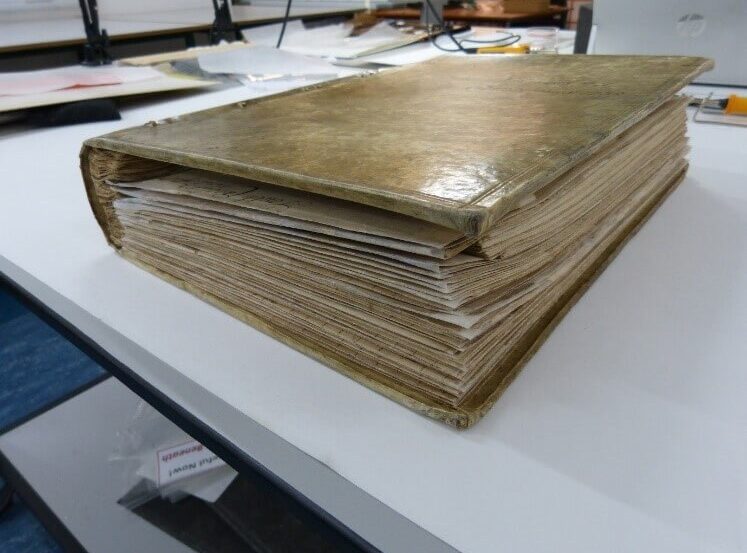 Putting Together the Pieces: Preparing a Highly Fragmented Book for Digitisation
At The National Archives, before a historical document is digitised, it passes through a team of conservators to ensure it is fit for scanning. This ‘stamp of approval’ requires that all information contained within the document be legible and that any damage repaired so that it may be safely handled.
-
 Life in a Japanese Prisoner of War Camp
Tens of thousands of British servicemen endured brutal treatment in Japan’s prisoner of war camps during World War Two. Some of these men documented their ill-treatment in signed affidavits to help prosecute those responsible.
-
 Rivers of Blood 50 years on
50 years ago today, on 20th April 1968, Enoch Powell delivered a speech at a Conservative Association meeting in Birmingham criticising the then-Labour government’s proposed Race Relations Bill. With charged rhetoric and a strong anti-immigration stance, it became better known as the ‘Rivers of Blood’ speech.
The resource Popular Culture in Britain and America, 1950-1975 includes a fascinating collection from the Prime Minister’s Office which contains a document collating a full transcript of the speech, press releases and correspondence with Prime Minister Harold Wilson regarding both the public and legislative reaction in the year following its delivery.
-
 Advertising: manipulation, persuasion, information or experience enhancer?
A J. Walter Thompson pamphlet entitled Advertising: Manipulation or Persuasion? addresses one of the central questions relating to advertising and consumer culture: how powerful is advertising in shaping our behaviours, practices and even identity?
-
 Observing the Masses - Nella Last's Diaries
Anybody who has worked on Mass Observation will be well aware of the most famous observer, following her life from the Second World War until her death in the late 60s. This woman was Nella Last, one of the most prolific writers of the Mass Observation project.
-
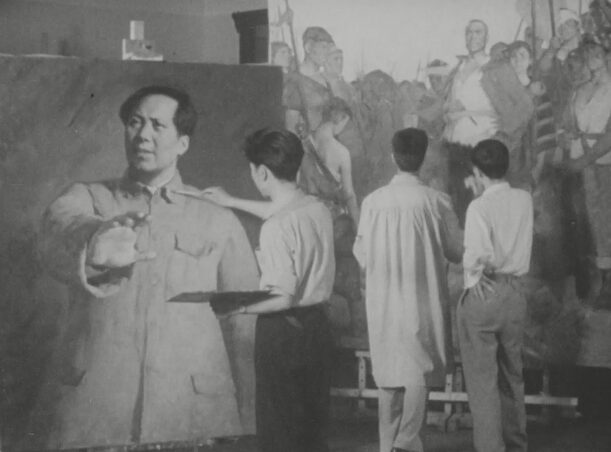 Miracles and fairy tales: The “Great Leap Forward” in Chinese newsreels
This year marks the 60th anniversary of the beginning of China’s Great Leap Forward in 1958. Under the auspices of Chairman Mao, the Chinese Communist Party laid out a programme which aimed to rapidly transform their agrarian economy into an industrial, collectivised, socialist state. Produced by the Central Newsreel and Documentary Film Studio of the People’s Republic of China, newsreel series China Today provides a unique, state-sponsored narrative of bumper crop yields, cultural exploits and factory construction in this period. However, if 1958 was an 'unusual and glorious fairy-tale', 1959 would signal the beginning of a nightmare.
-
 “Passive Women”: Uncovering the story of Josina Machel and the Mozambique Liberation Front
Whilst looking through the Gender: Identity and Social Change resource, I was drawn to Revolutionary Women.
-
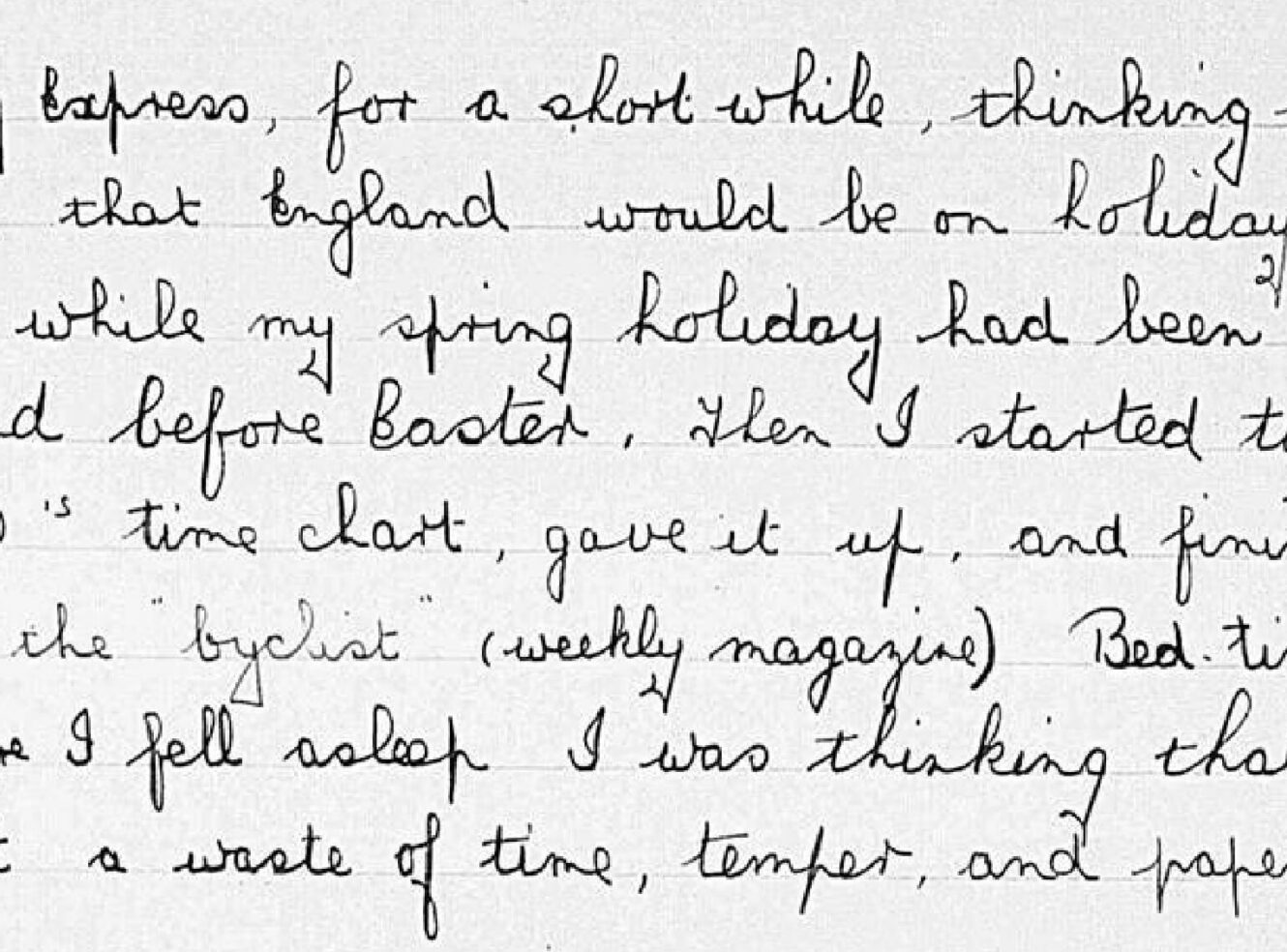 A movable feast
Explore the diverse customs and rituals associated with Easter, featuring insights from a 1930s public survey of young adults' Easter activities.
-
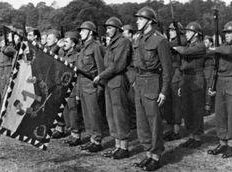 It's a Long Way to Tipperary... from Prague
This week has seen the launch of Adam Matthew's much-anticipated Service Newspapers of World War Two, our first newspaper collection. Featuring over 200 publications produced by and for military personnel serving around the world– searchable at article-level thanks to METS/ALTO technology – the resource offers a fascinating global perspective into the wartime experience.
-
 The (Sex) Bomb that Won the War
An unexpected highlight of WW2 journalism is ‘Jane’, the racy British cartoon strip that kept morale high during years of conflict. She scandalised, motivated, and entertained in equal measure, garnering a cult following which lasted long after peace was restored.
-
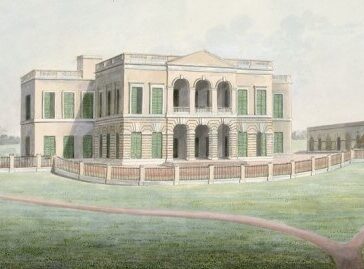 Preventing disorder at the East India Company factories
More than 1500 volumes of East India Company Factory Records are being digitised through a partnership between the British Library and Adam Matthew Digital. The factories were the Company’s overseas trading posts from the 17th to 19th centuries. The Factory Records are copies of documents sent back to London to be added to the archive at East India House.
-
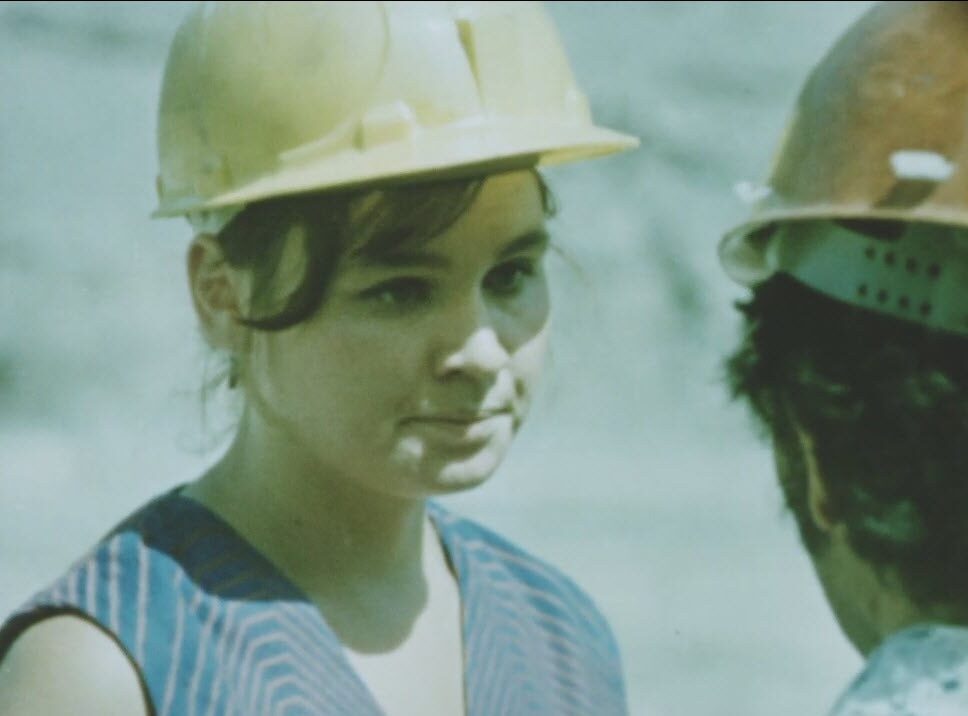 Comrade Woman
Digitised in our Socialism on Film: The Cold War and International Propaganda resource, Comrade Woman captures the stirring spirit of 1975, the year named International Women’s Year by the United Nations. Produced by the Central Documentary Studios, Moscow, and directed by Zinaida Tusova, Comrade Woman presents an overview of the diverse and vital roles of women within Soviet society.
-
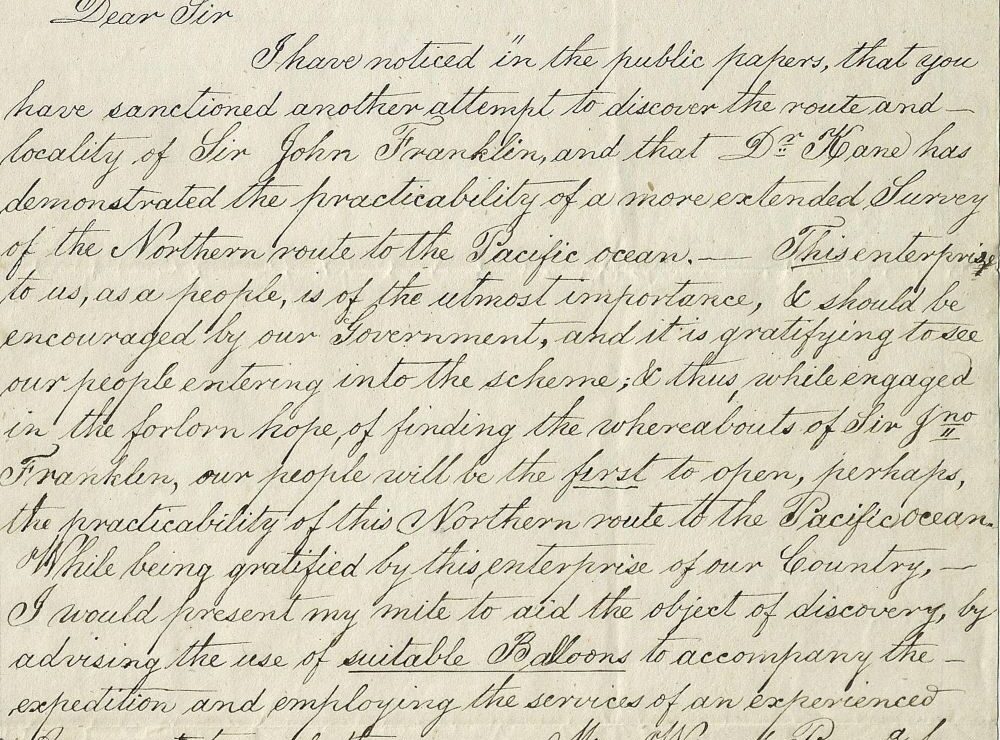 Ballooning in the Arctic? Two overtures to Elisha Kent Kane, 1852-53
Polar explorers throughout history have attempted to harness new technologies. Among the more famous examples are Sir John Franklin’s expedition of 1845, which utilised ships propelled by repurposed locomotive engines, and Robert Falcon Scott’s 1910-12 expedition to the South Pole, which utilised motorised sledges and even installed a telephone line. Perhaps even more unusual was S. A. Andrée's 1897 doomed attempt to pass over the North Pole in a hot air balloon. However, Andrée was not the first to suggest that balloons might be used in the Arctic.
-
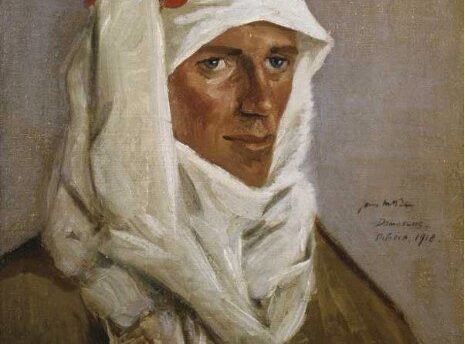 A Global Conflict: Lawrence of Arabia and the Arab Revolt
The popular narratives of the First World War told today (and particularly those used by supermarkets to sell chocolates at Christmas) usually play out against a familiar backdrop of a frosty northern France, complete with mud-sodden khaki, rat infested trenches, and a quaint football match dashed out between the barbed wire fences. Our collective memory latches on to the parts of the First World War that we deem to be significant to us, and consequentially allow other theatres of the conflict to fall by the wayside of our remembrance.
-
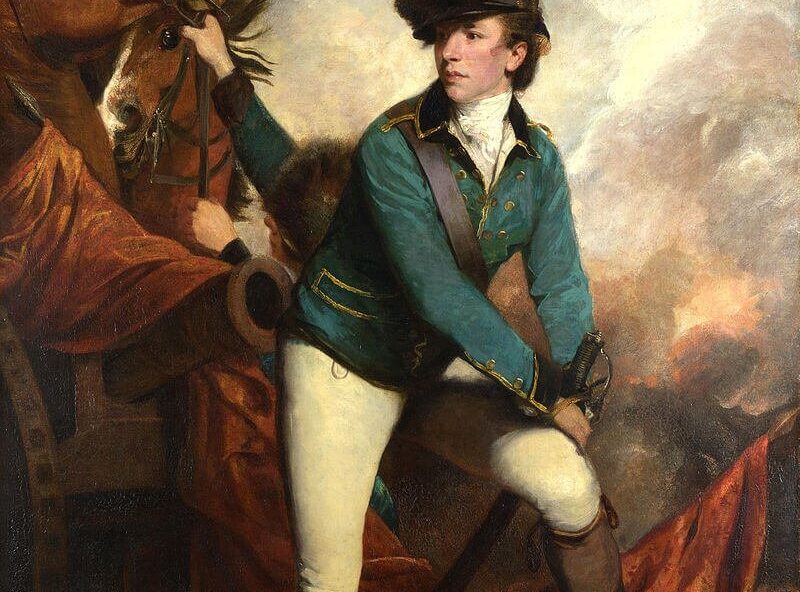 Guildford Courthouse and an Eighteenth-Century Adonis of War
1775 and the American colonies were in turmoil. A young, newly-volunteered cavalry Cornet by the name of Banastre Tarleton set sail for America with Lord General Cornwallis, hoping to play a part in the rising conflict. Like many young men with modest fortunes, a debauched London lifestyle had left its mark and the army offered excellent prospects to make a name for himself.