

A very Victorian illusion: Ghoulies, ghosties and Halloween nasties
For many, Halloween conjures memories of Vincent Price Hammer Horrors, greasy face paint and gaggles of small children with chocolate-plastered faces. With this in mind, it is fitting to explore a playful approach to summoning a spirit, drawing from Victorian traditions of illusion and spectacle. This does not refer to the Ouija Board séances and related activities that were popular among Victorians. Rather, a real summoning… the creation of a real spiritual image.
Even on Halloween, this type of statement is usually met with several guffaws, a few raised eyebrows and a well-placed ‘You don’t really believe in that kind of stuff do you?’ But by examining the methods presented in the 1864 book Spectropia: or, Surprising Spectral Illusions. Showing Ghosts Everywhere, and of Any Colour, one can appreciate how the author encouraged Victorian audiences to question their perceptions and experience the intriguing interplay between illusion and belief.
First, find a blank wall or ceiling. Got one? Now, stare at the asterisk beneath the chin of this skeleton for about twenty seconds and then look at the blank space you identified earlier.
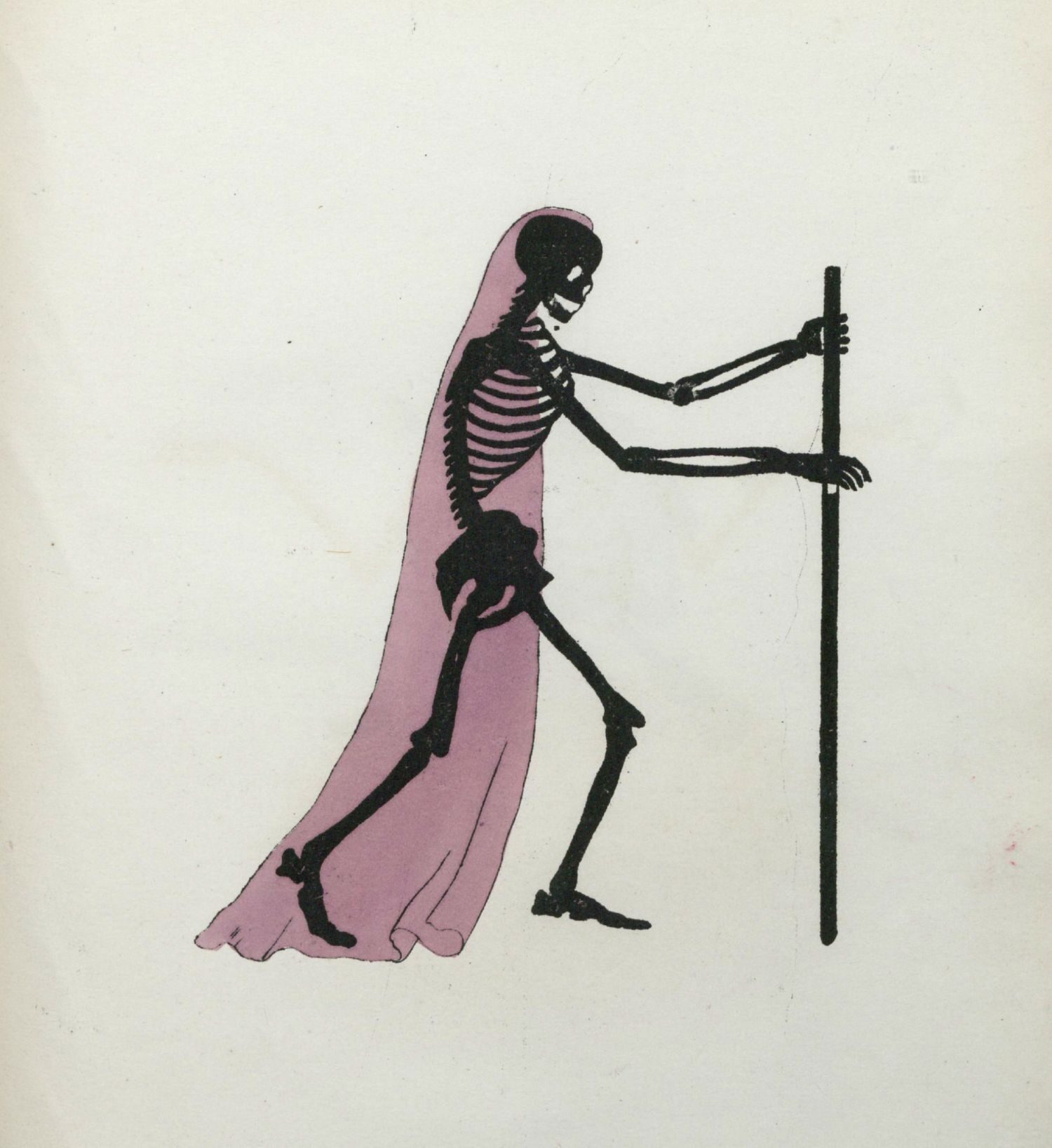
Image © The Bill Douglas Cinema Museum. Further reproduction prohibited without permission
Did you see it?
Of course, J. H. Brown did not really believe in ghosts. His book is an exercise in debunking popular Victorian belief in the supernatural through the application of science. There is a logical and fascinating explanation for what you have just seen and it has to do with the structure of your eye, and how it reads colours and perceives objects.
A ghost, we are told, “appears to be of a pale phosphorescent white, or bluish white colour; usually indistinct, and so transparent that objects are easily seen through it. When moving, it glides in a peculiar manner, the legs not being necessary to its locomotion.” This bears an uncanny resemblance to the image you have hopefully just seen.
In his explanation, Brown elaborates that the retinal vessels within the eye itself can be seen in certain circumstances. This is especially possible when walking around in the dark with a lighted candle. As such, individuals often fancy they have seen an apparition when, in reality, what they have just seen is a part of the eye itself, or the fleeting glimpse of an illuminated object burnt into the retina.
Did you notice the colour changes in your spectral image? Different objects reflect different wavelengths of light. For example, a red tractor is only red because it reflects the wavelengths we see as red and absorbs all others. When we look at a red object for an extended period of time, Brown explains, the retina becomes less sensitive to red and more sensitive to the other primary colours; blue and yellow. Therefore, when we then look at something white immediately afterwards, the blue and yellow mix to form a green image. The image you see will always be the complimentary colour to the original.
Here are a few more ghoulies and ghosties for you to try from this endearing escapade into Victorian illusions. Perfect for a dark and stormy Halloween night:
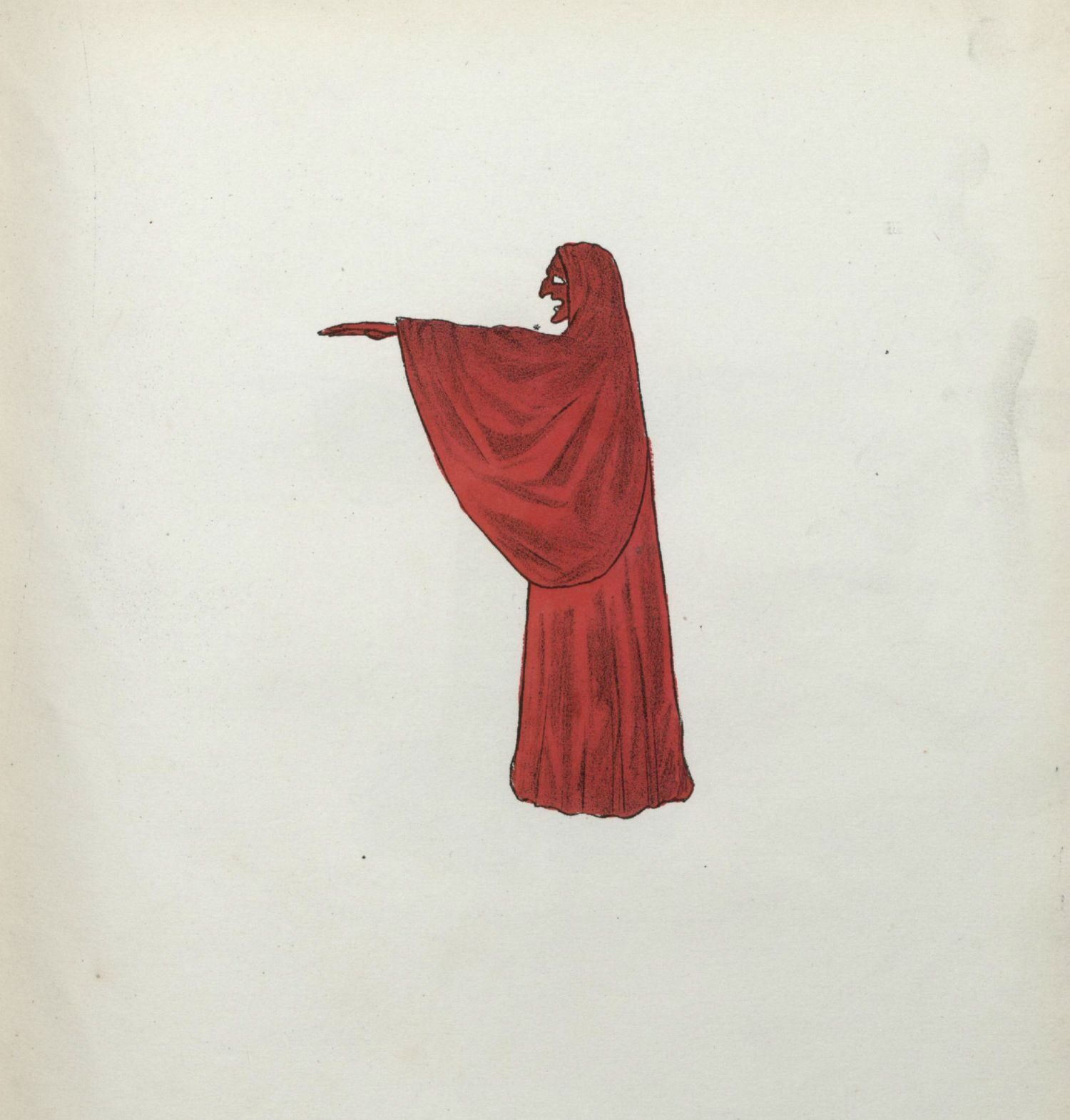
Image © The Bill Douglas Cinema Museum. Further reproduction prohibited without permission
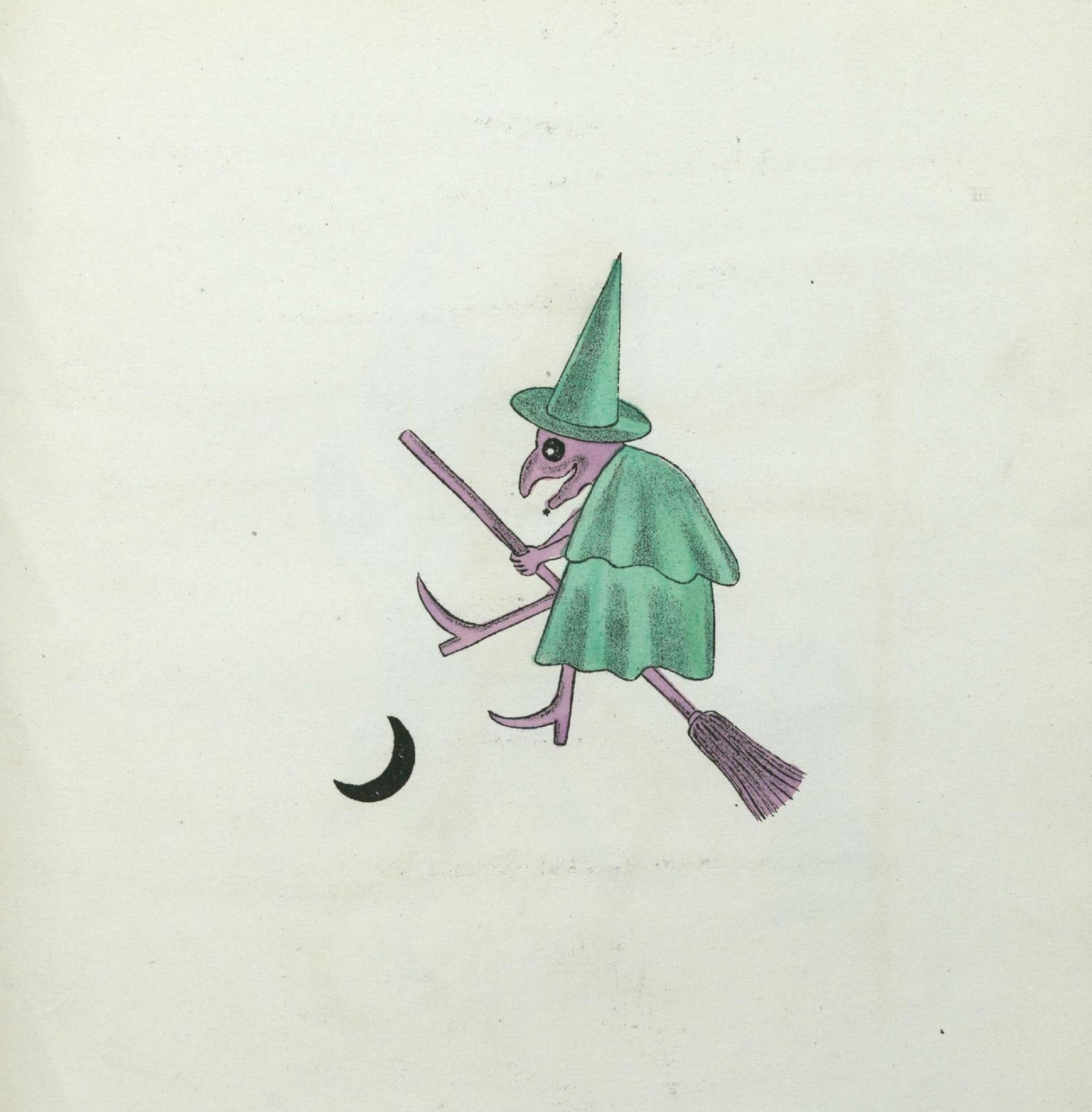
Image © The Bill Douglas Cinema Museum. Further reproduction prohibited without permission
Spectropia: or, Surprising Spectral Illusions. Showing Ghosts Everywhere, and of Any Colour, is taken from Victorian Popular Culture. For more information, including pricing, please request a demo.
Recent posts

Discover how the Mass Observation Project evolved through the 2010s. Explore societal trends, from climate change to digital shifts, revealed through module IV. Read how researchers and the public document everyday life in a changing world.

This blog spotlights Foreign Office, Consulate and Legation Files, China: Section II's material which documents China's relations with Britain, and key events such as the beginning of the Xinhai Revolution that ended centuries of imperial rule. It features correspondence between London and British diplomats stationed in Weihaiwei, the first foreign concession in China.