

The impact of digitisation: student success with primary sources
The way we approach research and teaching with primary sources has been transformed by digital progress. This blog features conversations with Dr Rebecca Crites from Warwick University and AM’s Felix Barnes on the CHOICE Authority File podcast.
Making primary sources accessible
The power of accessibility has been significantly improved through digitisation. Historically, researchers would have been required to visit archives physically to procure valuable sources. Now, they can browse a wealth of information from anywhere in the world. Dr Crites explained, “Digitisation plays a crucial role in simplifying the process of finding and exploring source material, ultimately overcoming financial and mobility inequalities among researchers,” which paves the way for a more inclusive research community.
Further simplifying the learning and research process is the ease with which researchers can now find and interrogate source material. This includes previously inaccessible materials. The advancement of digital tools, including optical character recognition (OCR) and handwritten text recording (HTR), is “opening up vast amounts of manuscript material for interrogation”, explained Felix Barnes. The digital age has not only expanded our accessibility to resources but also enhanced our abilities to navigate them effectively.
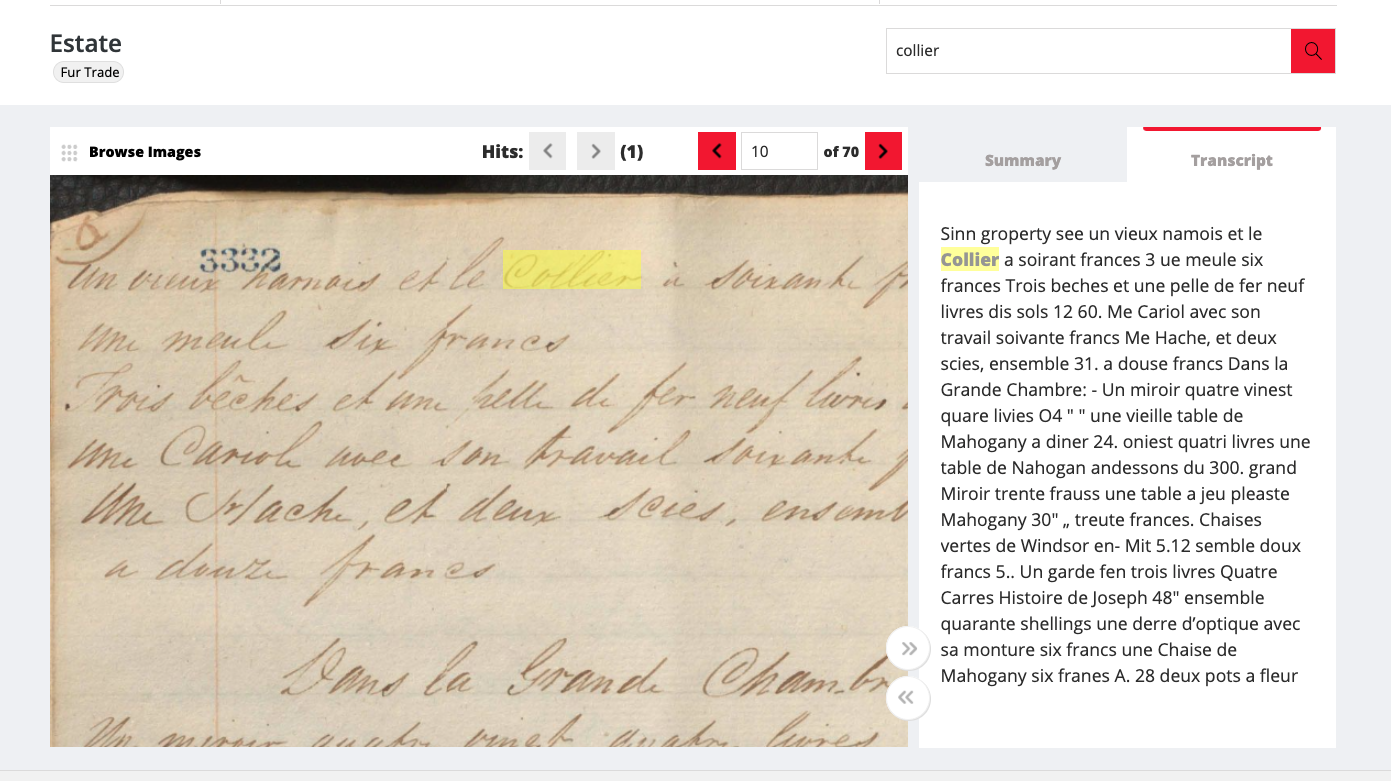
An example of handwritten text recording (HTR)
The importance of digital literacy
Beyond providing easier access to data, platforms like AM Quartex are vital when publishing collections of primary sources and integrating advanced technologies to enhance accessibility further. This kind of digital asset management system is not just transforming how students and researchers access information, but also how they perceive it. Barnes notes, "The shift towards digital platforms necessitates researchers to adapt to the changing landscape of primary resource availability".
However, with this wealth of resources, comes the necessity for robust digital literacy skills. Every researcher and student must develop a solid understanding of the limitations of search tools, the challenges presented by the abundance of digital archives, and the critical need to place sources within their historical context. Dr Crites explains that students can often struggle to place sources within their context – a challenge that digital literacy skills can overcome.
The impact on student success
Not to be overlooked is the impact digitisation has had on student learning. By offering students a way to engage further with source materials, digitisation enables a more immersive learning experience. Through digital platforms, students can explore collections, construct research proposals, and extend their research skills, enriching their academic journey.
In conclusion, digitisation of primary sources has transformed the approach to archival material and primary sources in student learning and research. It highlights a new way of exploring, analysing and engaging with primary sources, providing a more inclusive, accessible, and engaging learning environment.
Recent posts

A snapshot of wartime Kabul, this piece highlights diplomatic intrigue, espionage, and shifting alliances in neutral Afghanistan, alongside broader themes of modernisation, geopolitical tension, and resistance movements during the Second World War.

Explore how newspapers reveal the personal alongside the political, from global events to everyday life. This blog uncovers striking public notices from Trinidad, where husbands and wives used the press to renounce responsibility for one another, offering a rare glimpse into relationships, gender roles and legal realities.