

Discovering silenced voices: student success with primary sources
Primary sources can transform the learning experience and research methodologies of students. This blog features conversations with Dr Rebecca Crites from Warwick University and AM’s Felix Barnes on the CHOICE Authority File podcast.
Harnessing the potential of primary sources
Dr Crites highlighted the critical importance of primary sources in research, especially for exploring neglected, forgotten, or silenced histories and narratives, which is crucial in studying marginalised and oppressed groups. These sources provide fresh understanding and context to the past and can challenge and potentially correct power imbalances in historical narratives. Yet, researchers face challenges due to the scarcity of accessible primary sources for historically powerless groups, often relying on materials created about these groups rather than by them. This necessitates developing the key skills to critically engage with these sources.
The evolving role of primary sources in research was further discussed, noting their constant value in providing insights into the past, but acknowledging that the questions and interpretations they prompt may change over time. Felix Barnes and Dr Crites deliberated on the ethical considerations of using primary sources, stressing the researcher's duty to highlight silenced voices and uncover neglected stories. Using tools like the essays offered in the AM Research Skills collections to provide context can equip students and instructors with the necessary skills to apply critical insight.
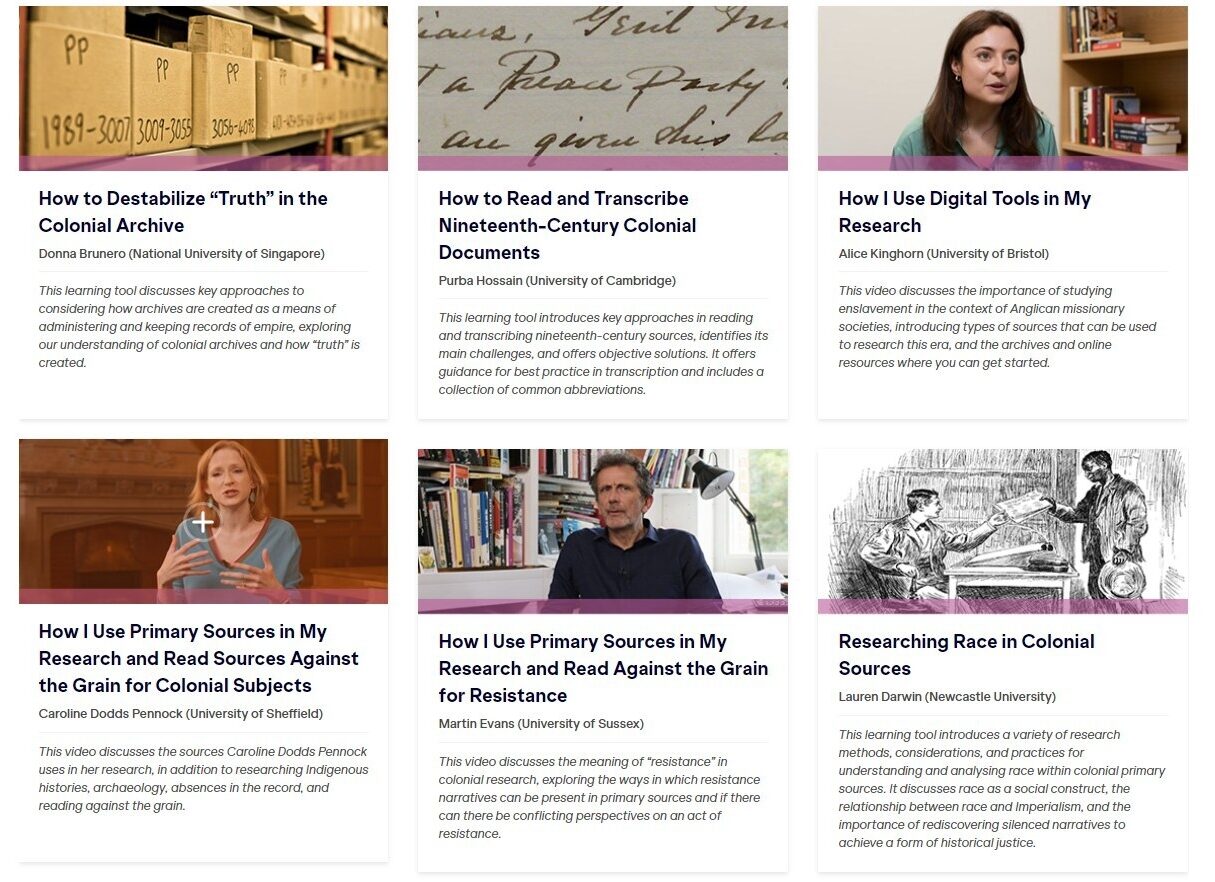
An example of the essays included in AM Research Skills collections
Sourcing and interpreting primary sources
Dr Crites emphasised the importance of collaborating with librarians and archivists when seeking underrepresented and marginalised primary sources. Their deep understanding of collections can lead researchers to new areas, offering access to a variety of resources like physical and digital collections, state documents, digitised newspapers, journals, and oral histories.
With a thorough understanding of their collections, librarians not only assist in uncovering and contextualising material but also in navigating potential challenges, opening doors to new research avenues. Dr Crites advocates for a reciprocal relationship where researchers share their findings, fostering an exchange of knowledge.
In summary, primary sources are vital tools in teaching and learning, particularly with marginalised and underrepresented voices. These sources offer a nuanced understanding and appreciation of past narratives. By navigating the ethical challenges, creating strong partnerships with librarians, and harnessing digital learning tools, researchers can uncover silenced voices and forgotten stories, expanding our collective understanding of the past.
Recent posts

A snapshot of wartime Kabul, this piece highlights diplomatic intrigue, espionage, and shifting alliances in neutral Afghanistan, alongside broader themes of modernisation, geopolitical tension, and resistance movements during the Second World War.

Explore how newspapers reveal the personal alongside the political, from global events to everyday life. This blog uncovers striking public notices from Trinidad, where husbands and wives used the press to renounce responsibility for one another, offering a rare glimpse into relationships, gender roles and legal realities.