

Silence is Golden...
Whilst visiting the big smoke last weekend I witnessed one of cinema’s greatest triumphs – Abel Gance’s thrilling six hour silent epic, Napoleon. Now, I have to admit, I was slightly sceptical. Six hours of silent cinema does not sound like the best use of a frosty Saturday in November, but the 1927 film opened my eyes to the vibrancy and passion of early cinema.
Napoleon (played by Albert Dieudonné) tells the story of the first 27 years of Napoleon Bonaparte’s life. From the snowball fights of the playground where a young Bonaparte leads his compatriots to victory, through the political machinations of the French Revolution (including imprisonment during the Terror) to his posting as commander of the Army in Italy, the film glories in Napoleon’s natural born leadership qualities and tell the story on a massive scale. Originally meant to be composed of six films charting the whole of Napoleon’s life, Gance blew the budget on the first film alone and I, for one, am glad that he did.
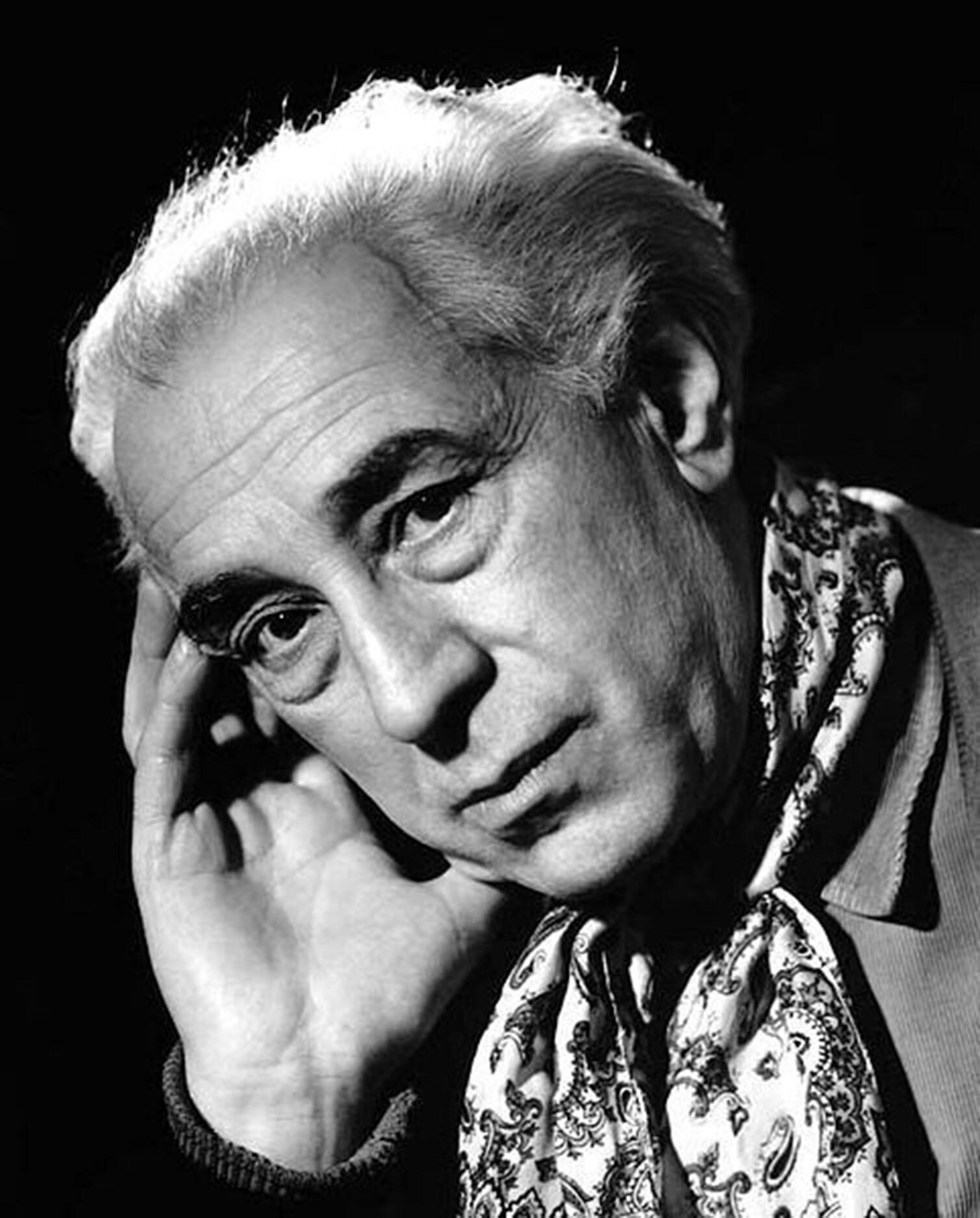
Abel Gance, courtesy of Wikimedia Commons
Despite its silence, the film is witty, expressive and, in places, hilarious. Particularly funny is the scene in which a notary decides to eat execution documents instead of copying them, unwittingly saving the life of Napoleon’s future wife, Joséphine de Beauharnais. Another source of amusement is the risqué portrayal of the Victim’s Ball, a scene reminiscent of a flapper party where bums, boobs and flesh abound!
On a more serious note, the cinematography pushes the boundaries of what was possible at the time. Static cameras were replaced with cameras strapped to horses and swinging pendulums to accurately capture movement; scenes were shot in original locations; coloured lens filters convey sadness and mass frenzy in equal measure and Gance created wonderful panoramic and reflective shots using split screens and transparencies. Especially humbling is the realisation that, without the existence of CG, sequences requiring a lot of people did indeed require a lot of people!
Accompanied by the London Philharmonia playing Carl Davis’ beautiful 1980s soundtrack (whose appendages remained intact despite six hours of violin sawing and trumpet blowing), this was a truly magnificent experience and certainly one to see, especially if you’ve explored early cinema in the AM Victorian Popular Culture resource.
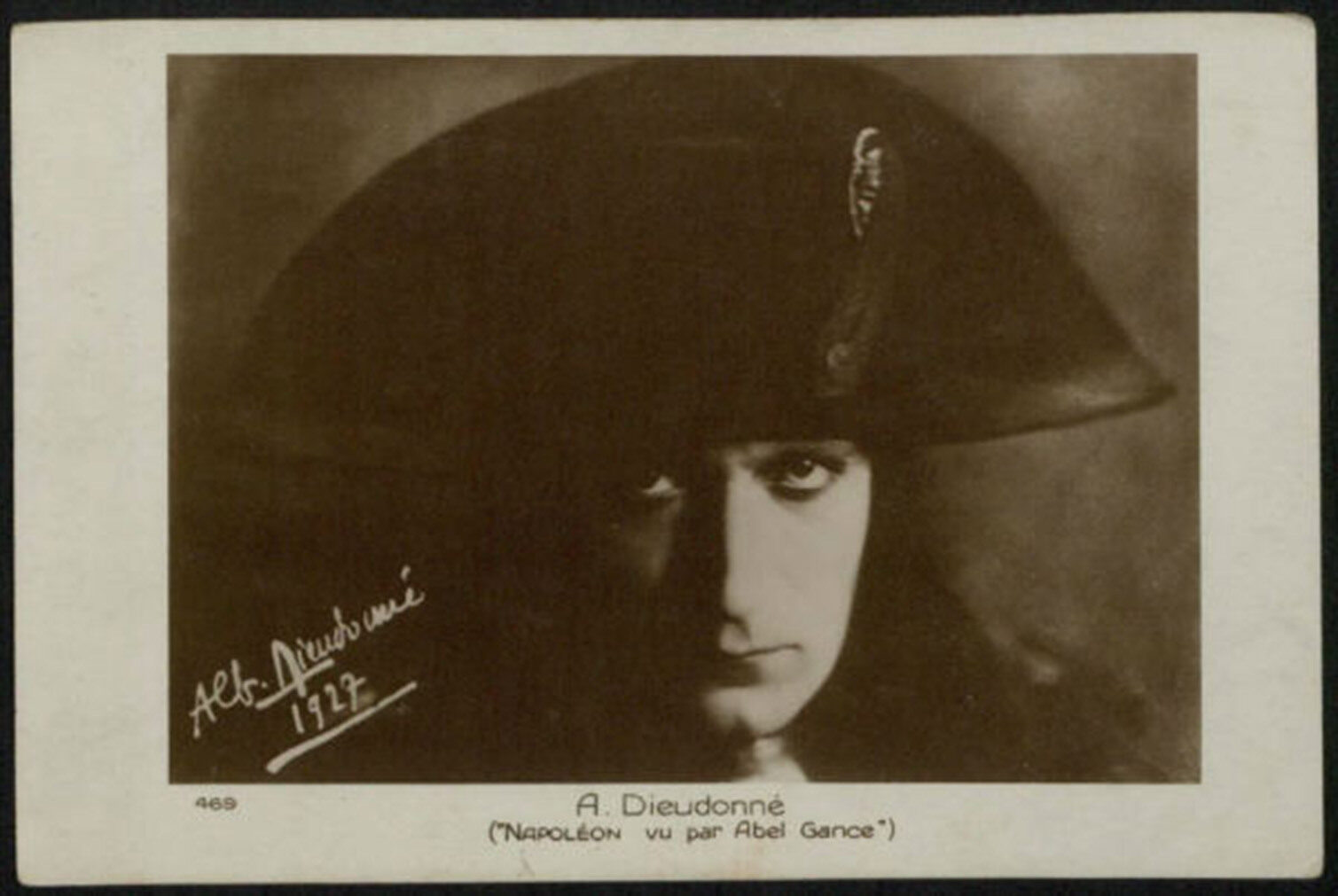
A. Dieudonné: Napoleon vu par Abel Gance, 1927 postcard, courtesy of The Bill Douglas Centre, University of Exeter and available in Victorian Popular Culture. Further reproduction prohibited without permission.
For more information about Victorian Popular Culture, including free trial access and price enquiries, please email us at info@amdigital.co.uk.
Recent posts

Discover how the Mass Observation Project evolved through the 2010s. Explore societal trends, from climate change to digital shifts, revealed through module IV. Read how researchers and the public document everyday life in a changing world.

This blog spotlights Foreign Office, Consulate and Legation Files, China: Section II's material which documents China's relations with Britain, and key events such as the beginning of the Xinhai Revolution that ended centuries of imperial rule. It features correspondence between London and British diplomats stationed in Weihaiwei, the first foreign concession in China.