

Blog
Advice and expertise from AM, and special guest posts by leading archivists, academics and librarians from around the world.
-
TitleDescriptionDate
-
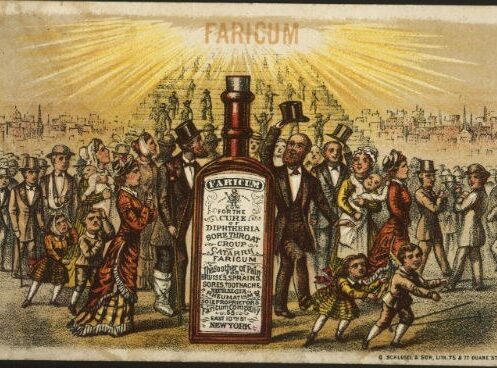 A Cure for All Ills – Even Death by LightningThis week sees the publication of Popular Medicine in America, 1800-1900, documenting the rise of self-help healthcare for the general public during the nineteenth century. To celebrate, I wanted to share one of my favourite quotes from one of many printed books within the resource, most of which were written with the intent of educating the ordinary person about medical matters in order to save them a few cents on their doctor’s bill.
 -
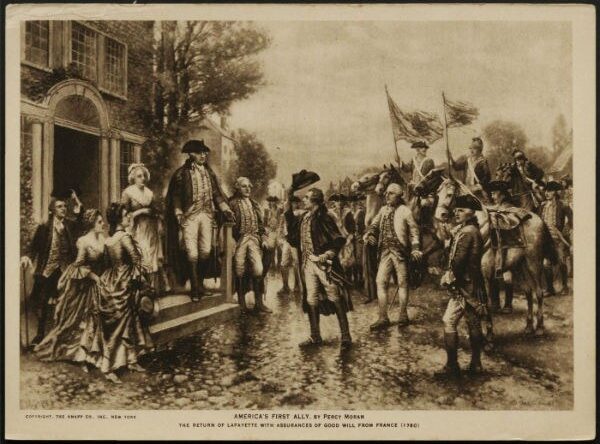 The Marquis de Lafayette, a 'Citizen of Two Worlds'
Earlier in the year I stumbled upon an article about a successful effort to build and sail a replica of the French frigate l’Hermione. Further reading revealed that one of the key reasons this ship is sailing again is the voyage it made in 1780 from Rochefort, France, to Boston, USA. On this particular trip across the Atlantic was the man known as the Marquis de Lafayette (full name Marie-Joseph Paul Roch Yves Gilbert du Motier – try saying that fast three times!) on his return the North American continent.
-
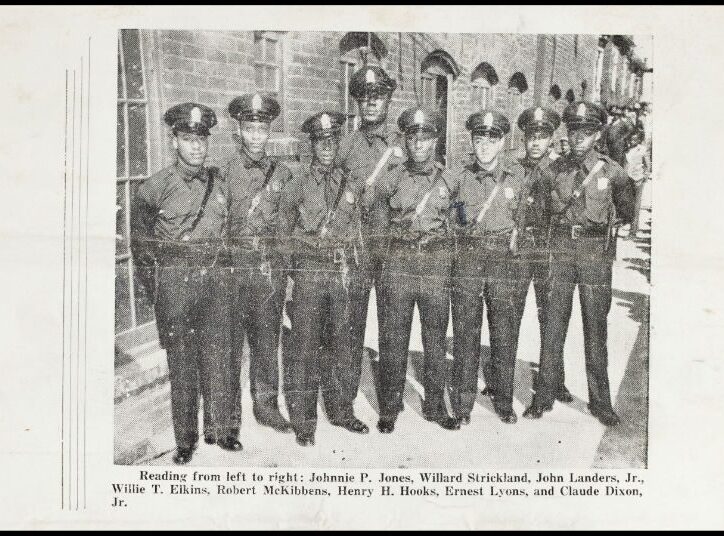 The inhumanity of brutality is colourless: African Americans and police relations
One of the most interesting things about working with so many varied primary source documents on a daily basis is how often the material makes me think of current issues. Items that appear in the news, questions that are still being considered, and consequences from past events still being felt always bring home the importance of history. I’ve had the privilege of working on African American Communities which covers various themes and issues of importance, and notably that of police and community relations.
-
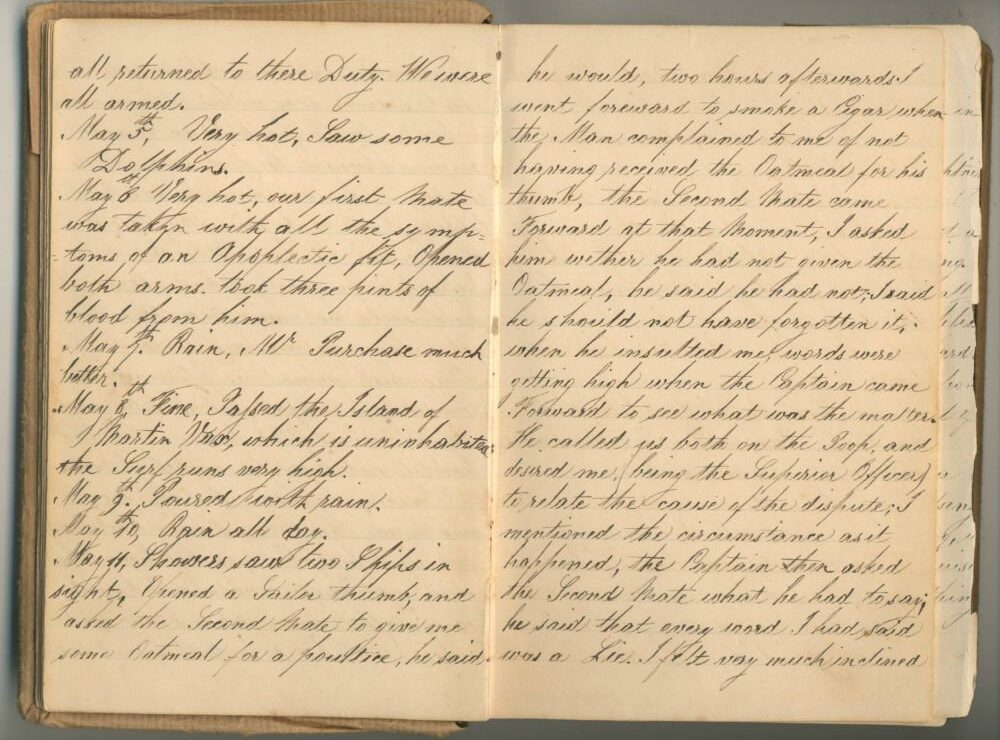 Brawls, Duels and Marsupials. A Voyage to Tasmania
On 12 March 1838, a young surgeon by the name of Dr John Hanchett joined the ship Henry at St Katherine Dock, bound for Van Diemen’s Land (Tasmania). His journal survives in the archives of the Maritime Museum of Tasmania and paints a vivid account of the trials and tribulations encountered during four months at sea, the relations between crew and passengers and the leisure activities on board an early Victorian emigrant ship. What follows is a potted account of his trip.
-
 Battle of Brandywine Creek: A British victory or a tactical American retreat?
On a recent trip to Delaware we decided to explore the countryside around Wilmington and came across the Brandywine Battlefield, now a visitor’s site. Having worked on the American History, 1493-1945 project this intrigued me and so we decided to investigate. It turned out that we had come to the site of one of the largest land battles of the American Revolution.
-
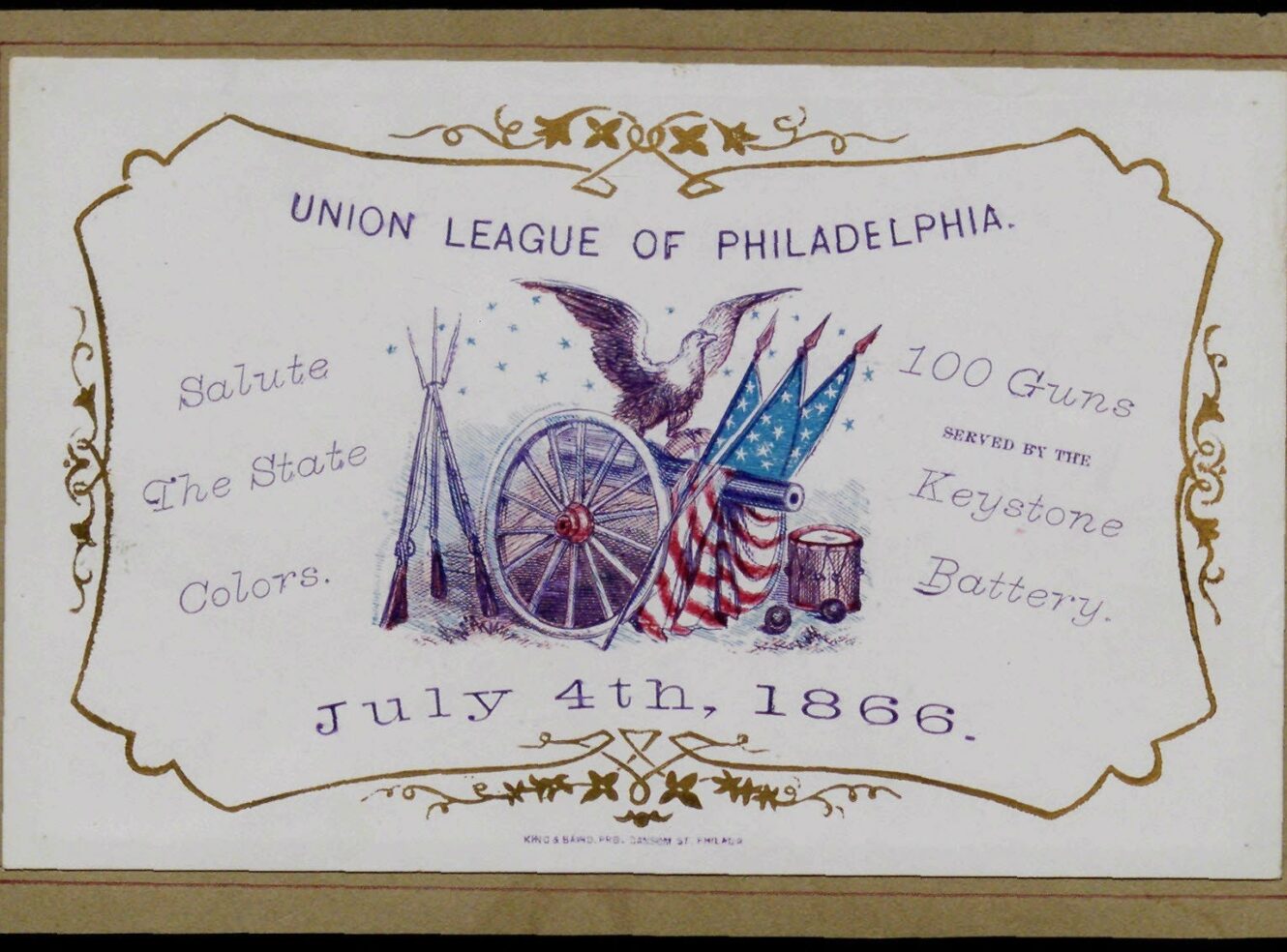 From Sea to Shining Sea
The significance of the Fourth of July in the United States is examined through the lens of letters from Civil War soldiers describing how the holiday was celebrated during the conflict.
-
 “Hippies Keep Out”: The Beginnings of Glastonbury Festival
If you’re like me and were lucky enough to get a ticket for this year’s Glastonbury festival, you’re probably in a field right now up to your welly clad knees in mud and wondering why you thought you could survive five days eating just pot noodles and Lidl’s own breakfast bars.
-
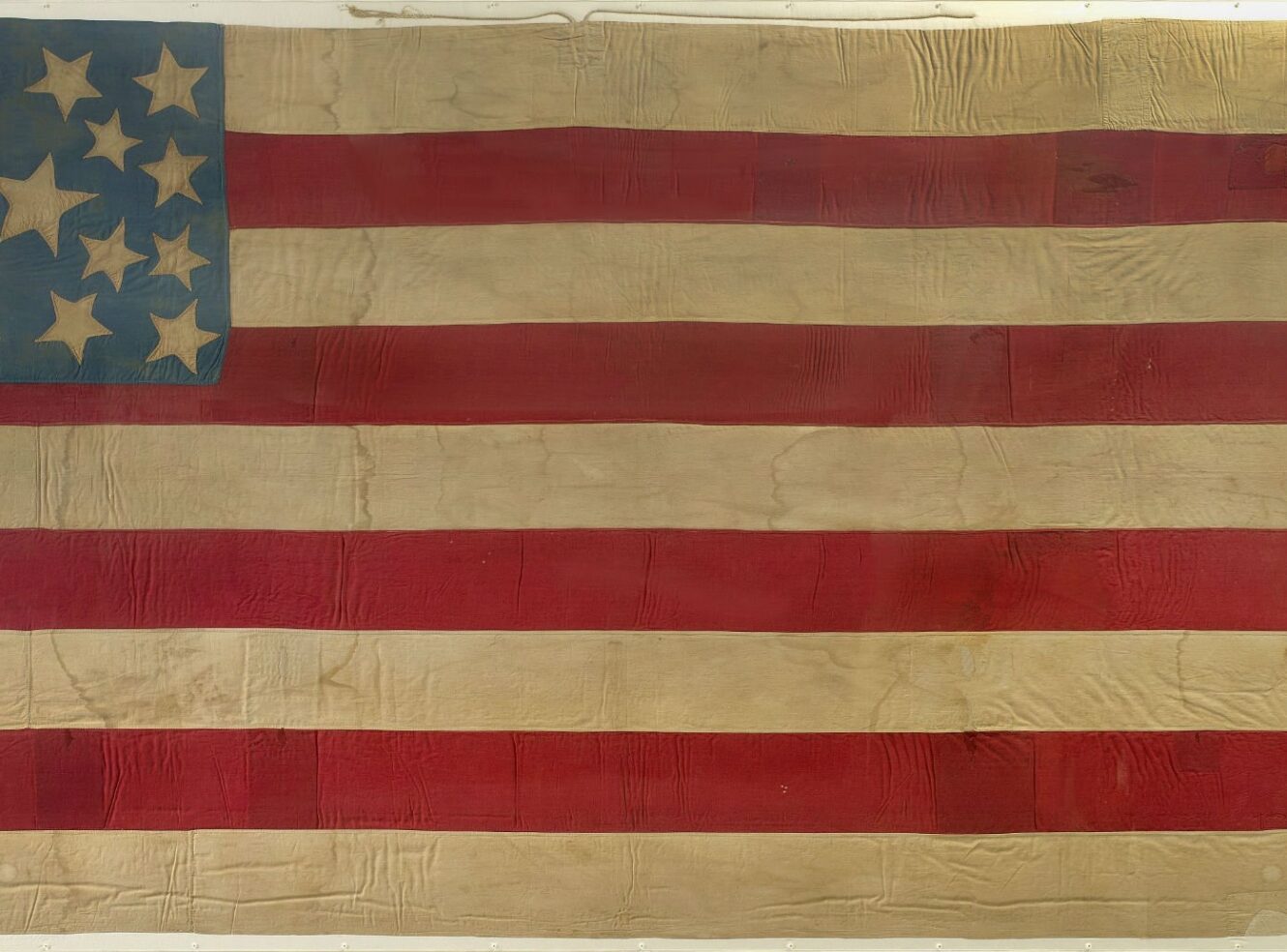 The Freed Slaves of the South
While indexing the documents in our American History, 1493-1945 collection I found a curious printed book from 1915, entitled ‘Aunt Phebe, Uncle Tom and others’ by Mrs Essie Collins Matthews. This is a collection of character studies and photographs of freed slaves living in the South fifty years after abolition came into effect.
-
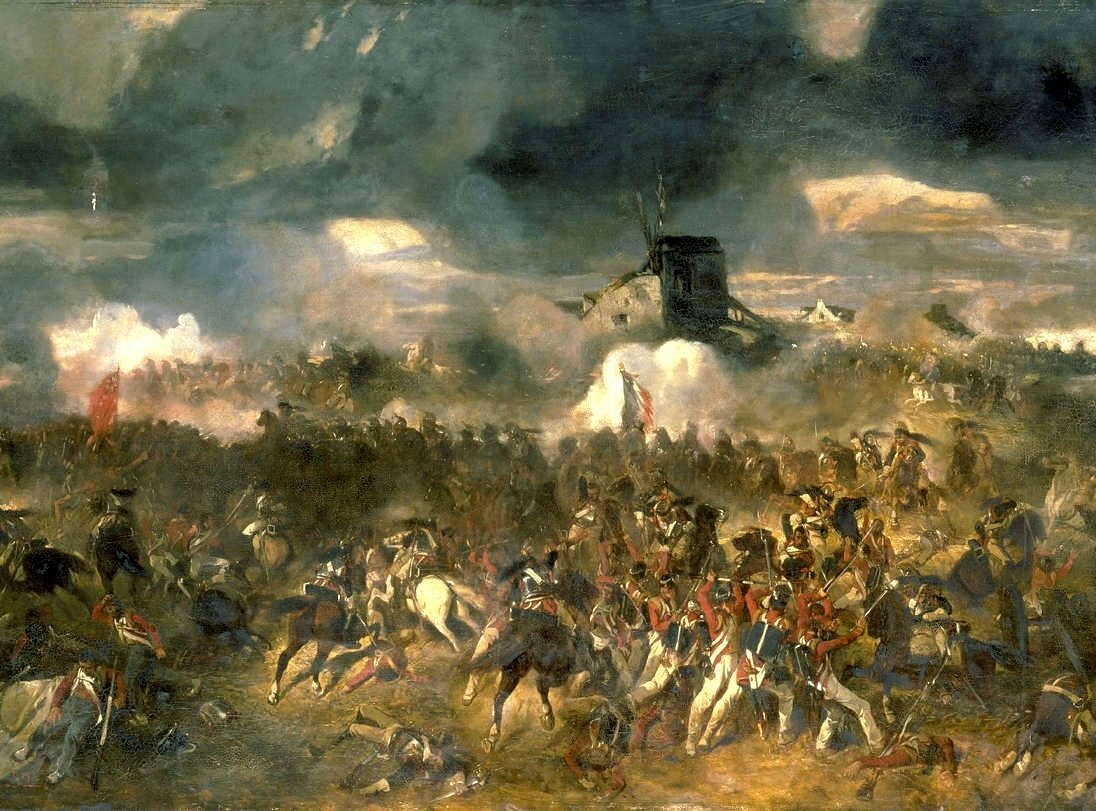 The Ride of a Lifetime
Having several ancestors on both sides of my family who survived Waterloo, I thought it only fitting that Adam Matthew should mark the 200th anniversary with a tribute to heroism and the British stiff upper lip. In July 1815, the English court painter Sir Thomas Lawrence wrote enthusiastically to Mrs Isabella Wolff about the courage and heroism of Lord Wellington and, in particular, of Lieutenant-Colonel Sir Alexander Gordon; the Duke’s Aide de Camp.
-
 Jurassic World's Fairs: When dinosaurs ruled the expos
There are several avid fans of the Jurassic Park film series here at AM. Listening to colleagues’ tales of being young and watching the movie for the first time and the awe they felt at the sight of the dinosaurs brought to life reminded me of the fairs of not so long ago and the dinosaurs that captured imaginations even then.
-
Musicians of the American Civil War
While working with the documents of American History, 1493-1945: From the Gilder Lehrman Institute of American History my eye was drawn to some of the American Civil War-era military manuals due to some interesting appendices. As a part-time trumpet player I took an interest in some music charts entitled “General Calls” for the army buglers. There were two different sets that I came across, one for Confederate Infantry (Rifle and Infantry Tactics, Revised and Improved GLC03071) and one for Union Cavalry (Cavalry Tactics in Three Parts GLC07566.01).
-
Stand Up For Your Rights
It was on the 11th of this month in 1963 that John F. Kennedy gave his civil rights speech in which he asked for legislation which would give ‘greater protection for the right to vote’. In November, the bill was referred to the Rules Committee where it was quickly dismissed.
-
 “You already know enough. So do I. It is not knowledge we lack.”
The twentieth century, scarred by a succession of wars, revolutions, and unprecedented violence, saw empires fall and totalitarian regimes rise. But when attempting to define and source the origins of European-specific violence, should we look further back still?
-
 Eleanor Roosevelt's Universal Rights
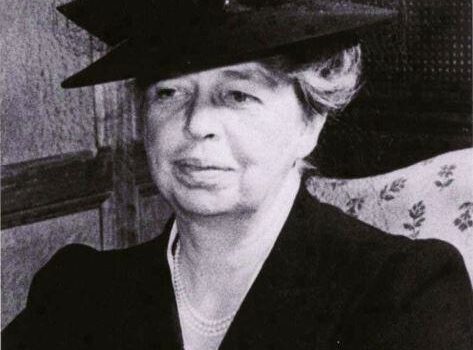
In the year that we celebrate the 70th anniversary of the establishment of the United Nations, and the UK government questions Britain’s part in the European Convention on Human Rights, it is a poignant time to reflect on the formation of the Universal Declaration of Human Rights. Central to this was Eleanor Roosevelt who was already heavily involved in social justice and human rights by the time she became First Lady in the White House in 1933.
-
 African American Philanthropy in the Twin Cities: The Saint Paul Urban League
In April 2015, I and another member of the Adam Matthew team embarked on a three-week trip to the Midwest of the United States. Our first stop was the ‘Flour Milling Capital of the World’ – Minneapolis and its twin city, Saint Paul.
-
 A Right Royal Welcome: Liverpool Celebrates with Cunard's Three Queens
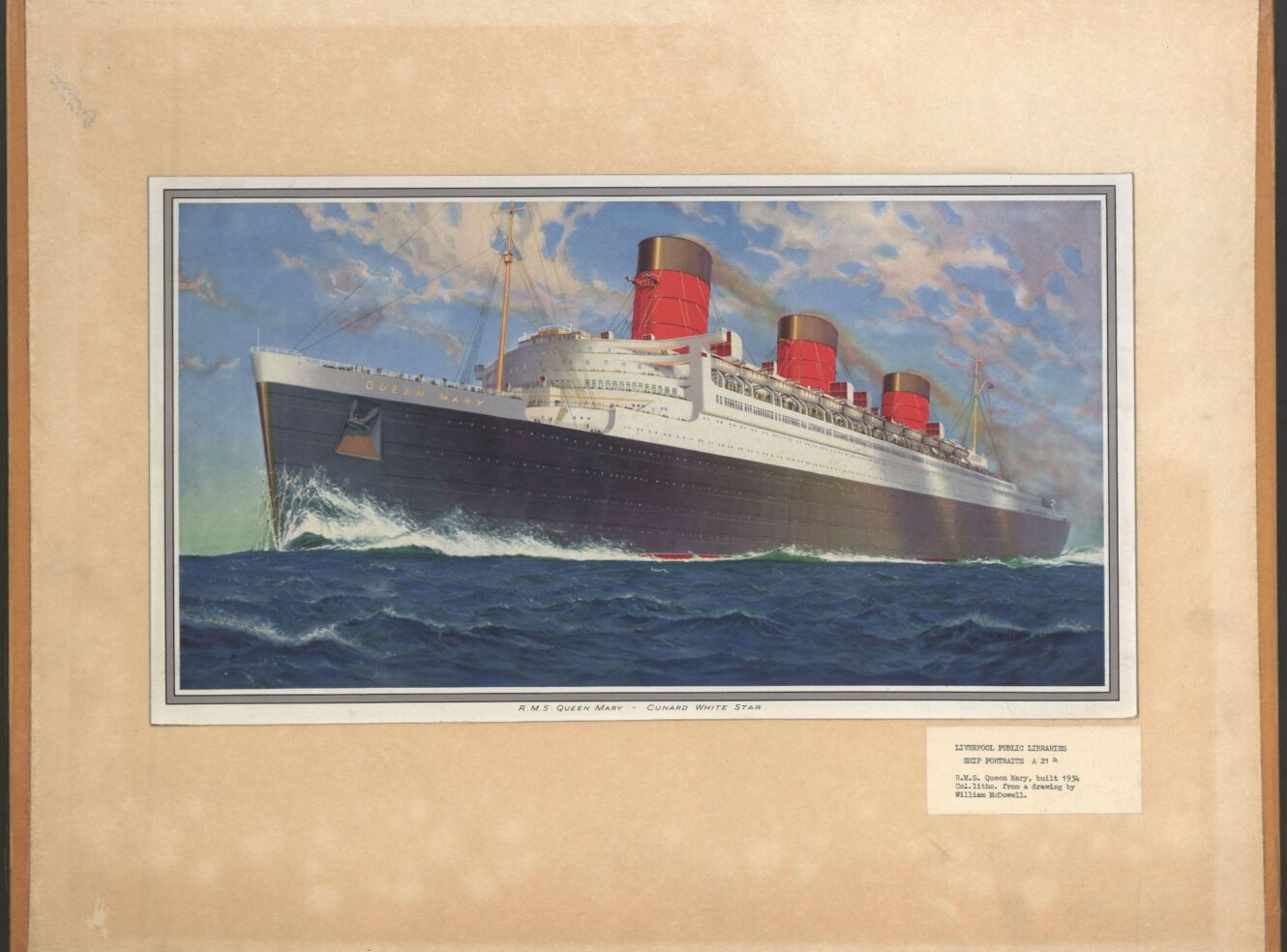
Liverpool has a lot to be proud of. A vibrant city with a rich heritage, Liverpool has brought us The Beatles, world class football, and striking architecture such as the Liver Building and Metropolitan Cathedral. Liverpool’s docks also carry the city’s legacy as a world famous port. With over 50 ports built along 7 miles over the last 300 years, Liverpool became a hub for commercial shipping and a key location for those wishing to migrate to and from the UK.
-
 World's Fairs: a more personal perspectiveIt’s 100 years since one of the greatest success stories of the world’s fair movement took place in San Francisco: the Panama Pacific International Exposition (PPIE) in 1915 was originally planned to celebrate the completion of the Panama Canal – a huge feat of engineering and human endeavour – but it also showcased the city’s impressive recovery from the devastating earthquake and fire of 1906.
 -
 Paying Tribute to the Past at Historic Stagville, NC
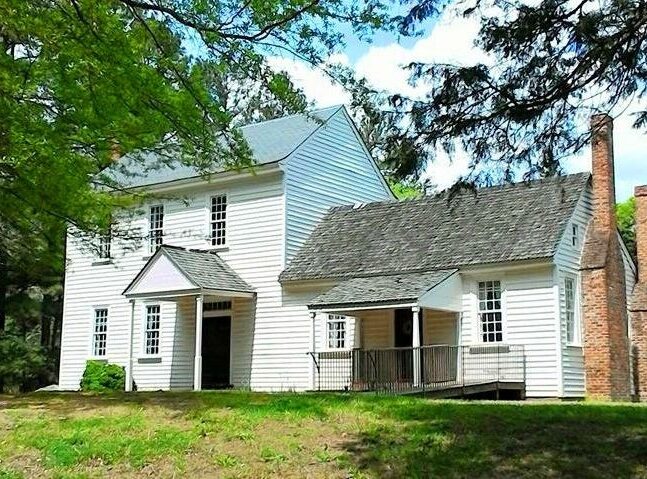
Shortly after joining Adam Matthew this year I set off to North Carolina for an archive research trip. Whilst there I had the opportunity to visit Historic Stagville, the site of one of the largest plantations in North Carolina and the pre-Civil War South at its peak during the 1850s and early 1860s. The site and buildings seemed peaceful on a beautiful April morning in the leafy, green North Carolina countryside, but there were stark reminders as we toured the buildings, of the injustices that took place and the difference in quality of life for the plantation owners and the slave community who lived here.
-
 Robert E. Lee Caught Between Nation and State
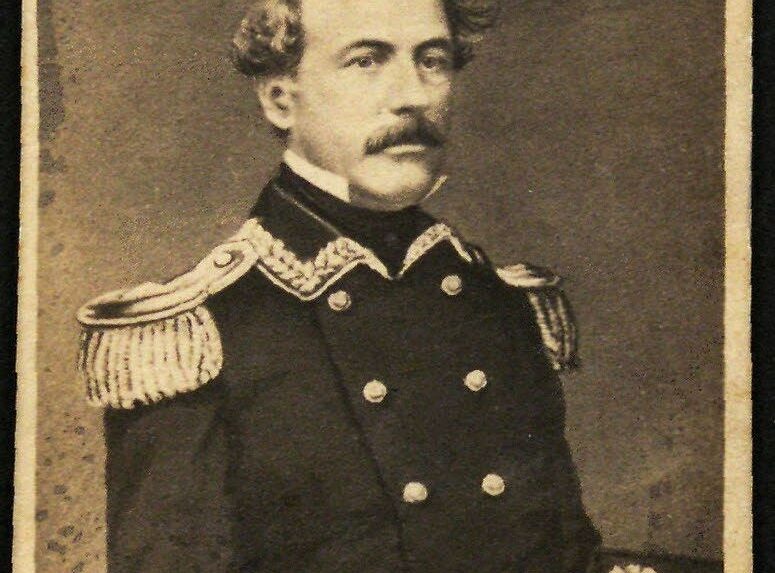
Robert E. Lee, commander of the Confederate Army of Northern Virginia, remains a person who inspires great interest and debate to this day, not least due to the complexity of his character and loyalties. This is demonstrated by a letter in which Lee reports for military duty in Washington and says he awaits his orders from Union command. Twenty three days later, he had resigned his post and taken a commission from newly seceded Virginia.
-
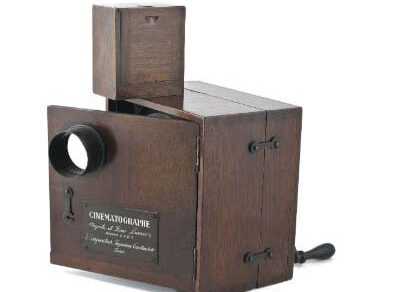 “An invention without a future”? The re-opening of the Regent Street Cinema
Regent Street Cinema, the venue for the first public screening of Louis and Auguste Lumière’s Cinématographe in Britain on the 20th February 1896, has re-opened this week after being restored to its former glory. The small, single-screen cinema, originally part of the Royal Polytechnic Institution at what is now the Regent Street campus of the University of Westminster, was closed to the public in 1980 and has since served as a lecture theatre for the university.
-
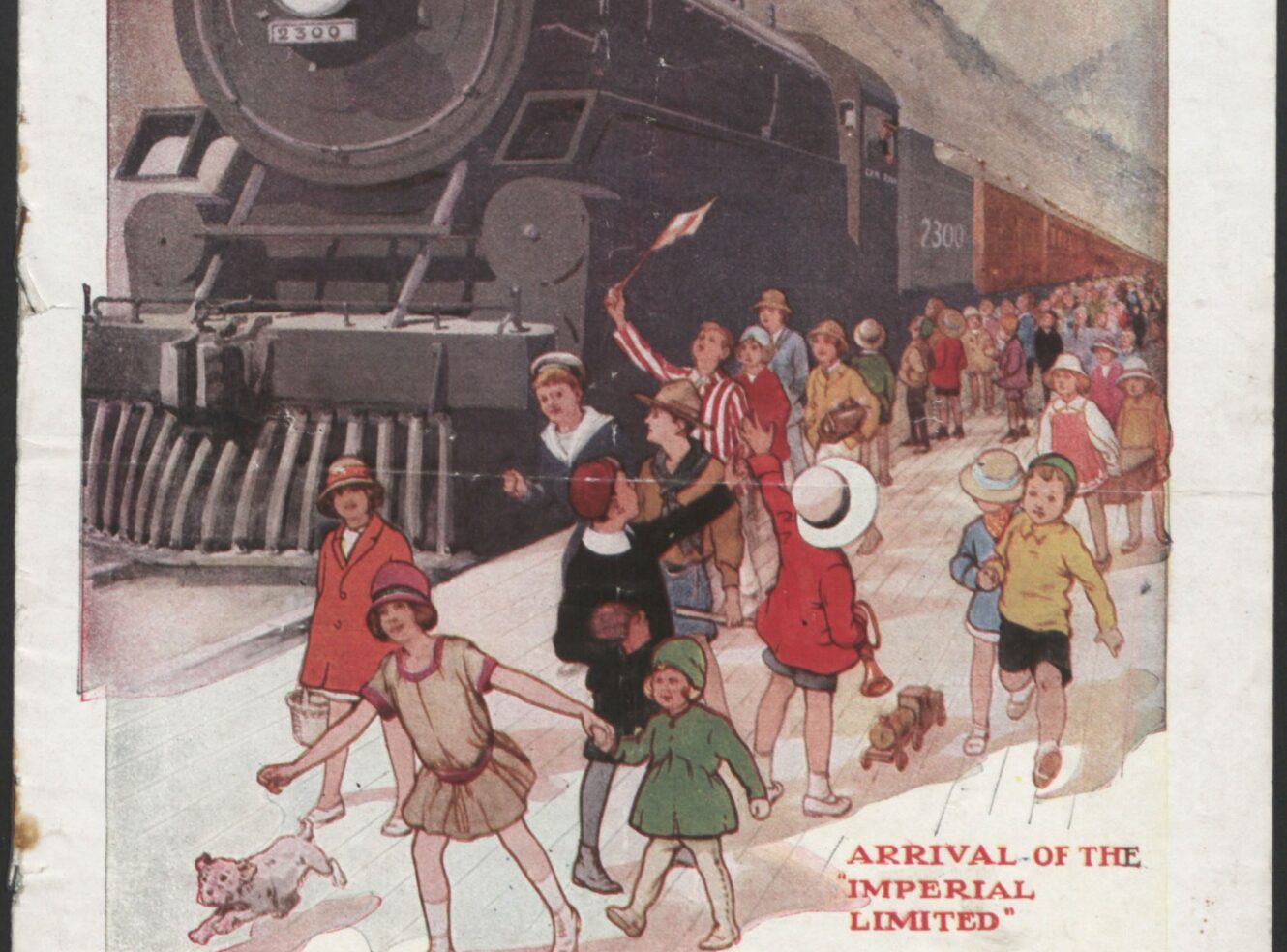 Dreams in Treasure Island
At the British Empire Exhibition at Wembley in 1925 the Canadian Pacific Railway Company, aiming to promote their railway to a British audience, showcased their wildly popular ‘Treasure Island’ installation. The island was a magical world created for children and big children alike where they could clamber aboard miniature trains Peter Pan and Alice to explore the Canadian Rockies.
-
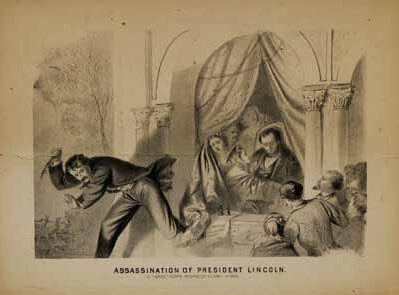 The thunderbolt has fallen: Memorialising Lincoln
On April 14th 1865, America’s ruinous Civil War seemed finally to be drawing to a close. Five days earlier, General Lee had surrendered his army and to those walking Washington’s corridors of power, the war seemed all but won. However many in the South were still desperate to revive the Confederate cause, including John Wilkes Booth and his three co-conspirators.
-
Abraham Lincoln: HeartbreakerThis month, April 2015, sees the 150th anniversary of Abraham Lincoln’s assassination at the hands of the enraged renegade actor John Wilkes Booth in 1865. Disgusted by the Lincoln’s part in the Confederate States’ defeat after four years of civil war, Booth sneaked into Lincoln’s box as the President was watching a play at Ford’s Theatre in Washington D.C. and shot him in the back of the head. Days after the end of the Civil War Lincoln was killed at the very moment of his great triumph.
-
 Milan 2015 and the Legacy of World's Fairs
If ever there was a way to twist my arm and persuade me to visit romantic, historic Milan this summer, the prospect of a huge, international celebration of food is a pretty convincing one. Expo Milan 2015 is just such an event, but my primary interest is not in pizza (honest), but in Expo 2015’s place in the legacy of World’s Fairs.