

Blog
Advice and expertise from AM, and special guest posts by leading archivists, academics and librarians from around the world.
-
TitleDescriptionDate
-
 Mother Goose – The Evolution of a Classic Christmas Pantomime
First performed at Covent Garden Theatre on Boxing Day, 1806, ‘Harlequin and Mother Goose; or, The Golden Egg, Airs, Chorusses, &c., in’ was a huge success, running for ninety-two nights and becoming a quintessential Christmas classic.
-
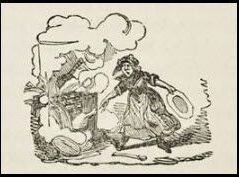 The perils of ‘Christmas Cookery’
Paul Pry’s 1838 text, Oddities of London Life, may be considered in many ways archetypal of the satirical social commentaries of the nineteenth-century lower classes that run throughout London Low Life, but William Heath’s highly amusing account of a “Christmas Cookery” is too amusing and aptly named to not share.
-
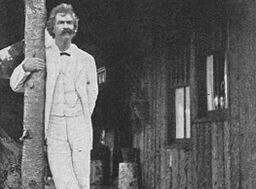 Mark Twain's BenevolenceWith the 180th anniversary of his birth approaching, it might be an apt time to present a different side to the acerbic wit we associate with one of America’s best-loved writers through a letter that can be found in American History, 1493-1945: From the Gilder Lehrman Institute of American History. It is also a letter which alludes to the United States’ post-American Civil War racial settlement and the legacy of that conflict.
 -
 An Alternative View of Thanksgiving
Alongside turkey lies other Thanksgiving traditions that many Americans hold dear which are distinctly products of the “New World,” such as cranberry sauce, pumpkin pie, and our brand of football, each of which have impressively old historical roots in their own rights. It is a day in which we are all meant to reflect on the bountiful supplies of food and material wealth of our nation.
-
 Seventy Years Since Nuremberg
Before the close of the Nuremberg trials in October 1946, the Mass Observation team sent out a number of directives asking the public’s opinion on the trials of the Nazi war criminals. The primary response was that they were a waste of time, a waste of tax payer’s money and the verdict a foregone conclusion. The thought process was that these men were guilty, and would be found so, and that the simplest, and cheapest option, would have been to shoot them on the spot (though some had some more brutal ideas).
-
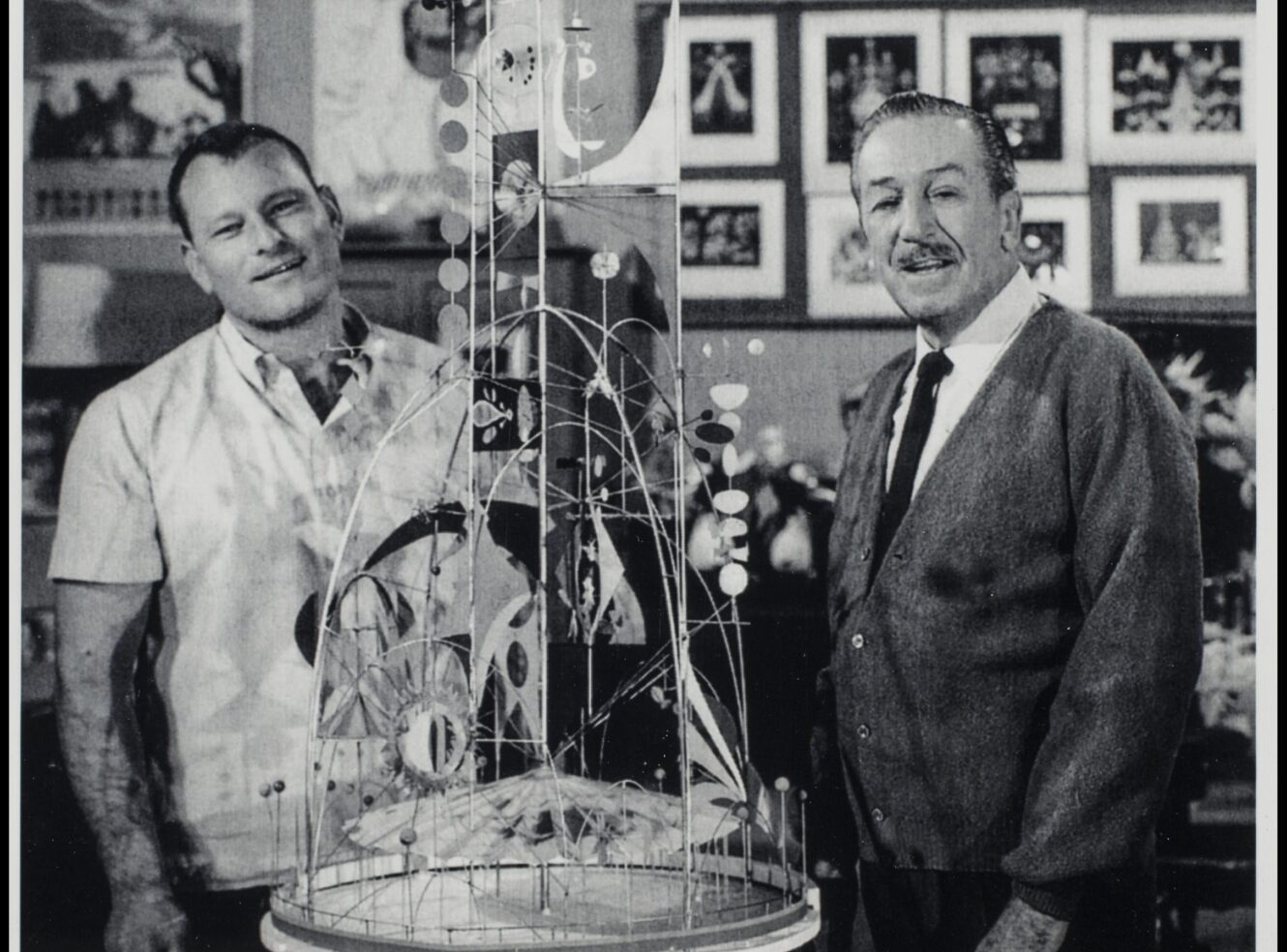 Walt and the world's fair: dreaming up a Disney delight
Walt Disney Parks and Resorts are known the world over for exciting children and adults alike, providing a backdrop for new technology, unparalleled entertainment and constant innovation. Sounds familiar? Ever since the Great Exhibition in 1851, world’s fairs have inspired others, and in the twentieth century the marriage of Walt Disney’s mind to the splendor of the fairs was to prove a winning combination.
-
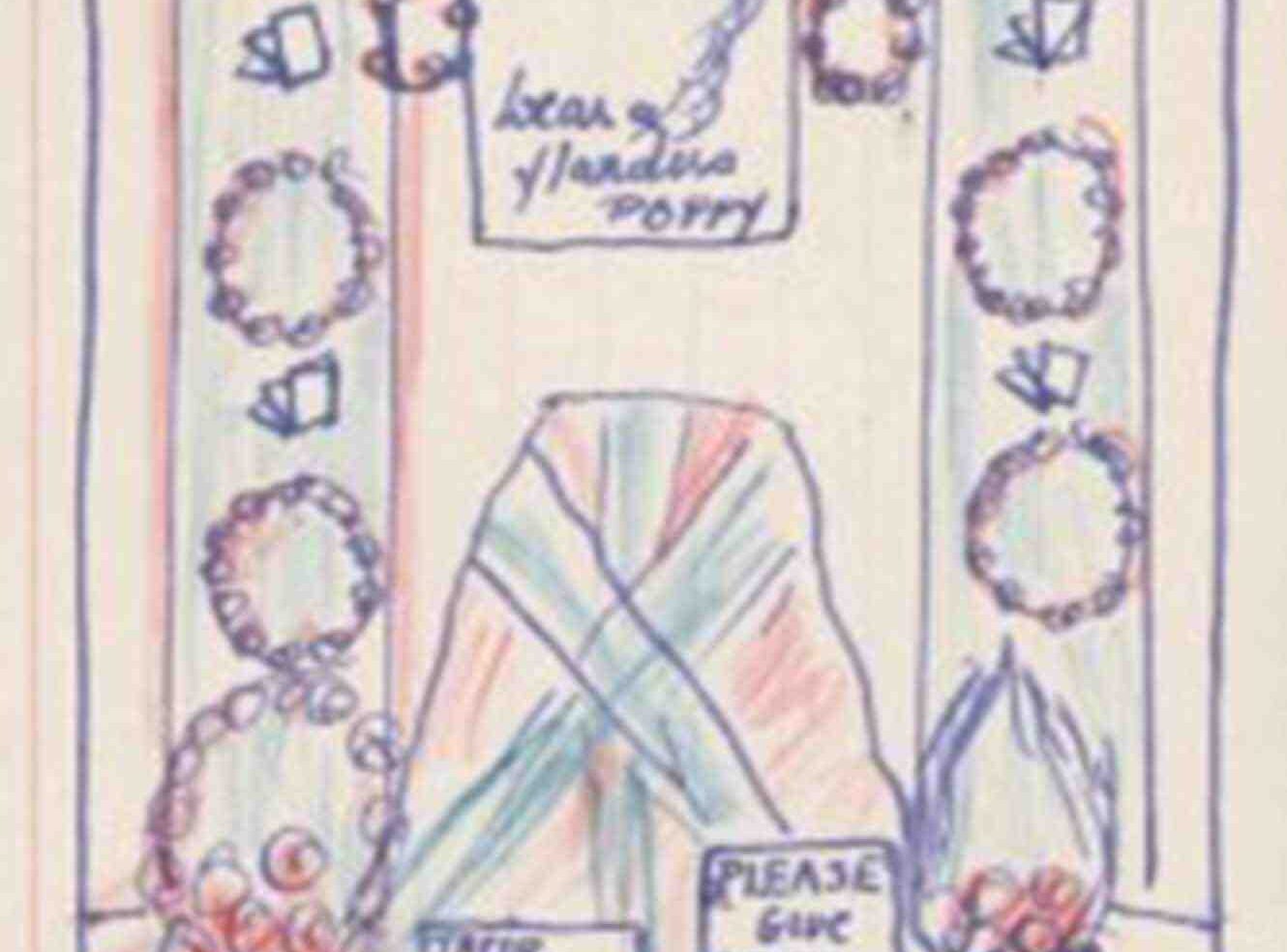 Armistice Day 1937: a special Guest Blog by Fiona Courage
I cannot buy a poppy, for I have not got a penny. Not so rich. 11 o’clock, what an unearthly silence. My thoughts are upon my little children in school, their heads will be bowed in reverence to our beloved dead. It is all very sad for the relatives of the fallen, for it seems a pity to keep on reopening an old wound, causing a heartache. I don’t think any body really wishes to remember the war and its horrors. I am thinking about my child’s wet feet, hoping that her leaking shoe will not soak her foot. Wet feet mean bronchitis for her, unless I can stop it with my favourite medicine.
-
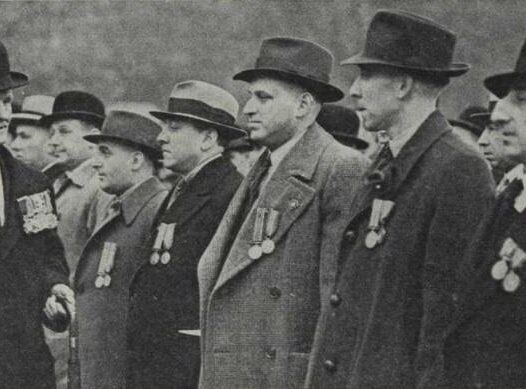 AJEX: British Jewry and Wartime Commemoration
At the stroke of 11am this Sunday, individuals across Britain, including present day soldiers, veterans and their families, will observe a minute silence to remember the sacrifices of members of the British armed forces and of civilians in times of war. Among them will be members of AJEX, The Association of Jewish Ex-Servicemen and Women, which, as its name suggests, is made up of British-Jewish men and women who once served in the British Armed Forces. With a current membership of approximately 4,000 people, AJEX has a long and interesting history spanning over ninety years.
-
 Secrets, Spies and the Spectre of Scandal
New details emerged last week of Guy Burgess and Donald Maclean, two civil servants who acted as Soviet spies from the 1930s up until their defection to Moscow in 1951. The reaction to their flight behind the Iron Curtain can be traced in documents from the National Archives in Adam Matthew’s Confidential Print: North America resource.
-
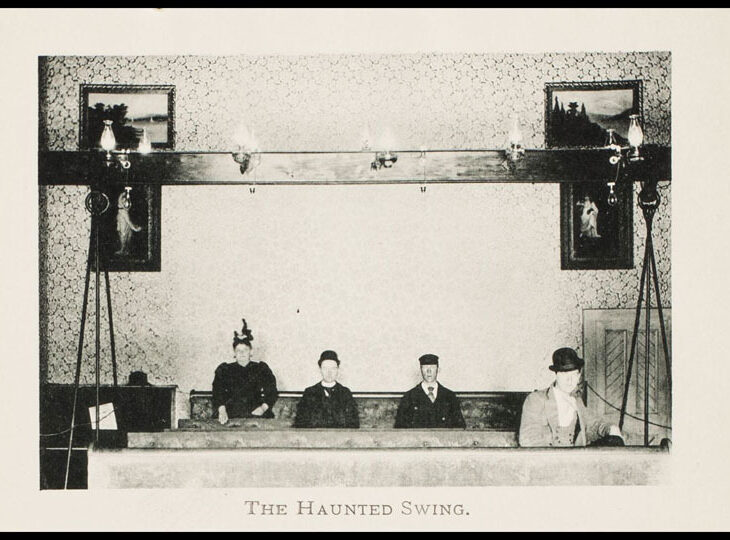 The Haunted Swing: something wicked this way rotates...
Dust off the face paints, shine-up the vampire fangs and destroy a pumpkin. It must be Halloween. Discover a ghoulish photogravure of an amusement ride called ‘The Haunted Swing,’ from San Francisco’s 1894 California Midwinter International Exposition.
-
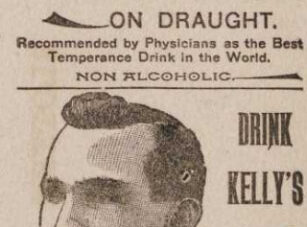 The Kill or the Cure: how trade and science changed perceptions of medicinal drugs
Before the advances in science and trade networks during the nineteenth century, our ancestors, in their isolated communities, had to make sense of the natural world through trial and error. Popular Medicine in America, 1800-1900 documents how physicians used their traditional knowledge of plants and human anatomy to treat ailments, and how they gradually incorporated new ideas and techniques into their cures as science and increased global interaction expanded their understanding.
-
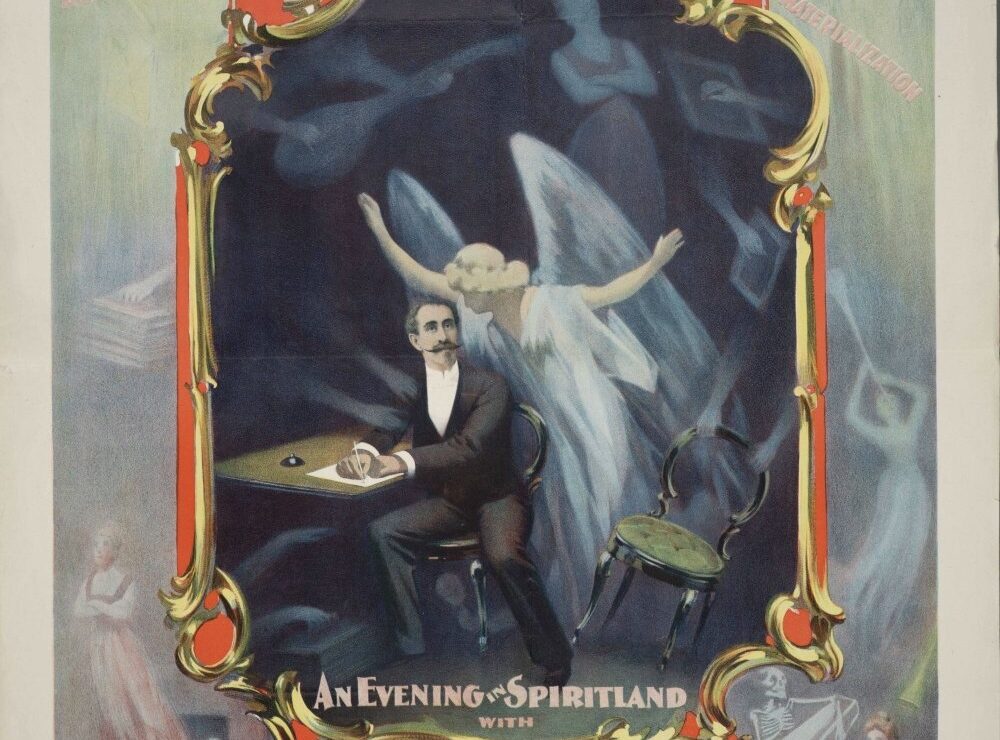
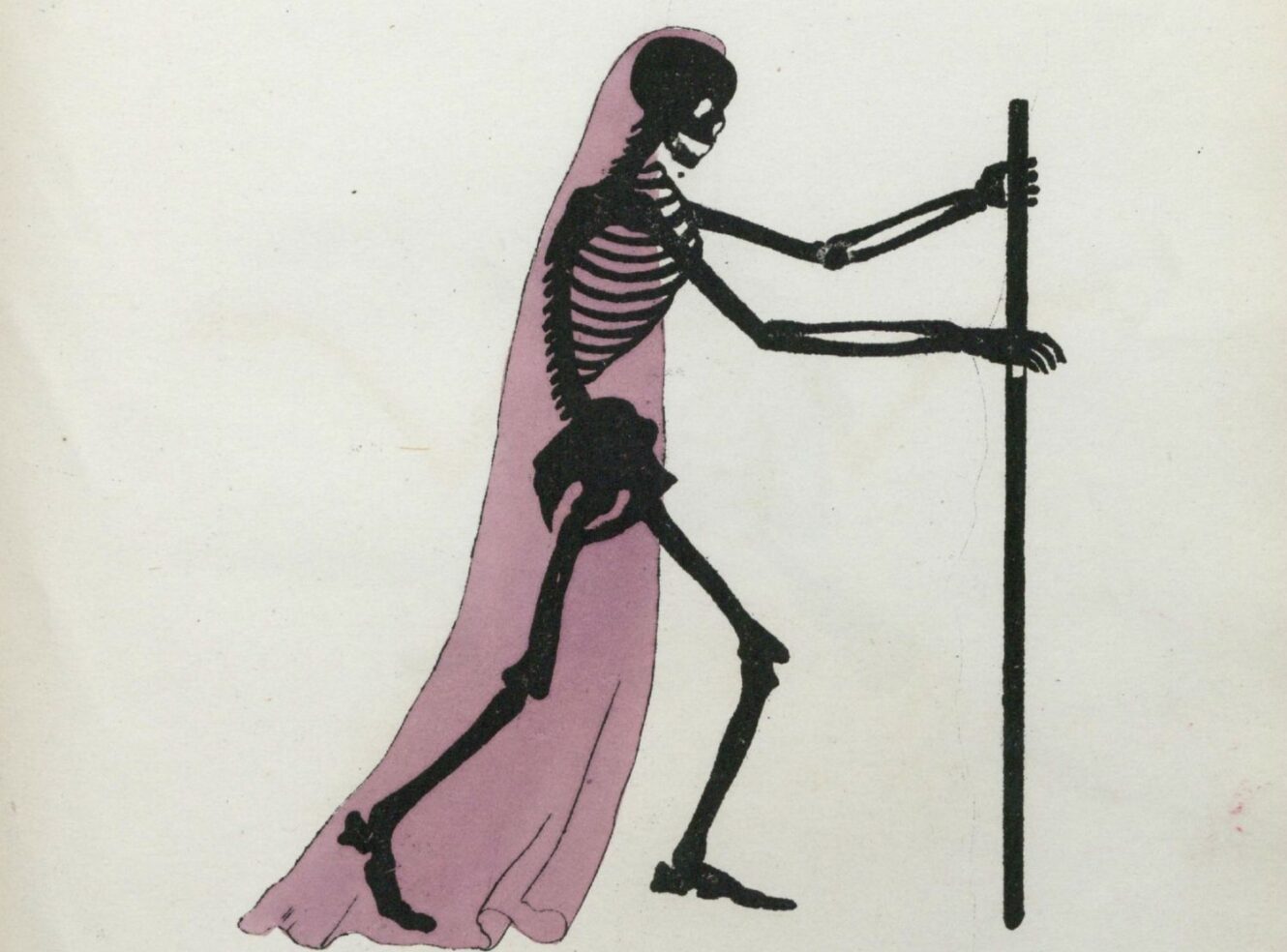 A very Victorian illusion: Ghoulies, ghosties and Halloween nasties
Explore the fascinating world of Victorian illusions with a nineteenth-century guide to spectral tricks and the science behind ghostly apparitions. Discover how perception, light and the human eye create eerie images, blending history, science and Halloween fun in this timeless exploration of Victorian curiosity.
-
 A Blue Room, far from Crimson Peak
With chilly mornings and the leaves changing colour we’re reminded that Halloween is just a week away. Any excuse to restock our snack shelf is always widely celebrated at Adam Matthew so we’ll be favouring treats over the tricks.
-
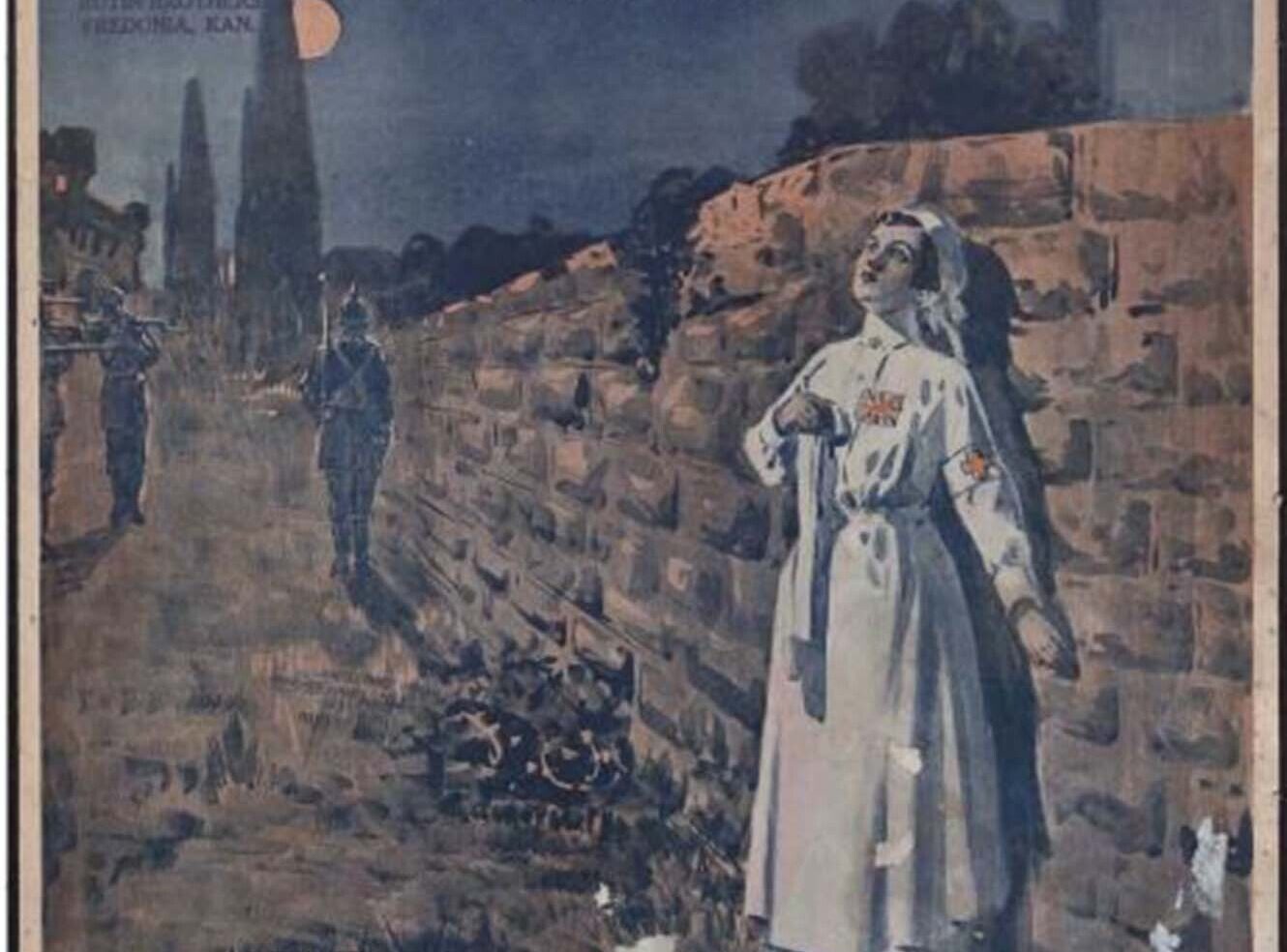 "The Bravest Heart of All"
One hundred years ago, on 12 October 1915, having sentenced her to death for treason, the Germans executed British nurse Edith Cavell (1865-1915) in Belgium.
-
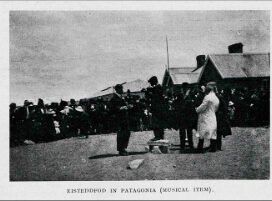 Welsh Patagonia: 150 years of 'Y Wladfa Gymreig'
Having grown up in a Welsh-speaking community in Cardiff, I have long been familiar and fascinated with the history and concept of 'Y Wladfa Gymreig', a Welsh-speaking settlement in Patagonia, Argentina. Founded in 1865, 2015 marks the 150th anniversary of the establishment of Y Wladfa with celebrations taking place throughout the year in both Wales and Argentina.
-
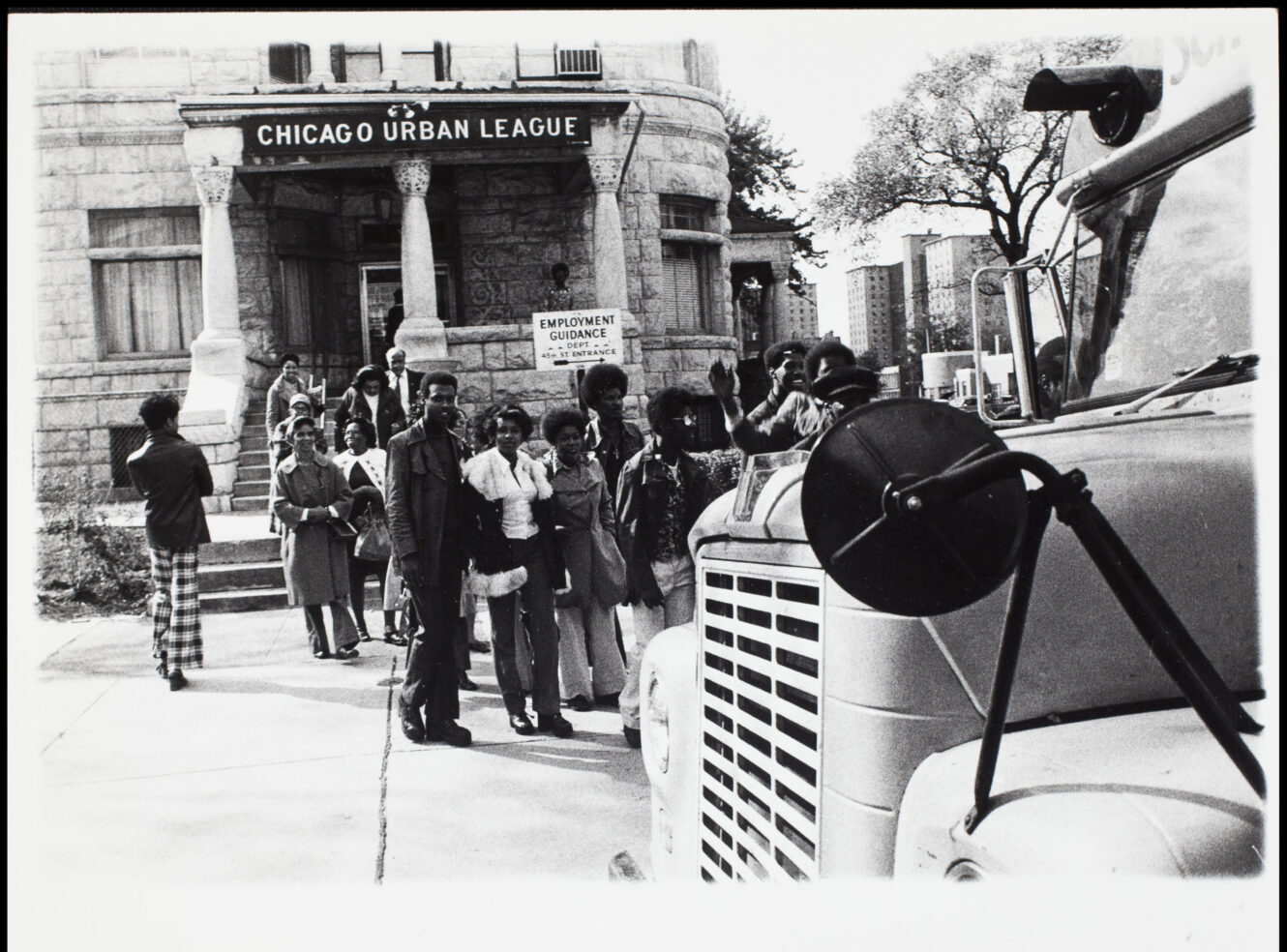 "The mecca was Chicago": A special guest blog by Professor Davarian L. Baldwin
When most African American migrants connected freedom with the North, “the mecca was Chicago.” But by the 1960s, African Americans, making up one third of the city’s three million, were largely segregated within ghettoes on the South and West sides of town.
-
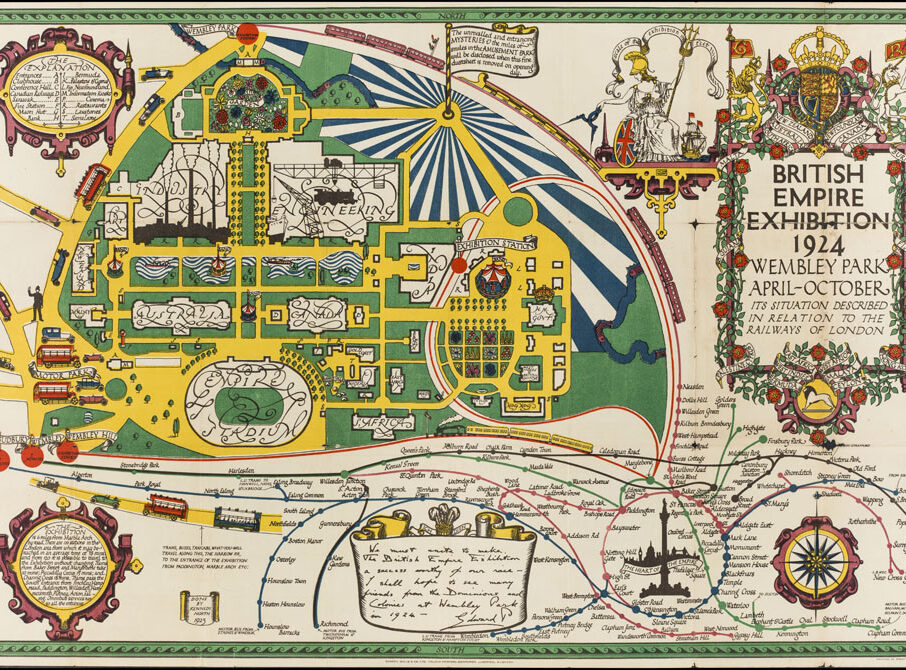 A Royal Affair
Whilst browsing through a collection of material from our up-coming World’s Fairs resource, a familiar face appeared to me amidst a stream of photographs of jubilant crowds, exotic pavilions and iconic industrial feats. It was none other than Her Majesty Queen Elizabeth II attending Expo 67, Montreal’s international exposition.
-
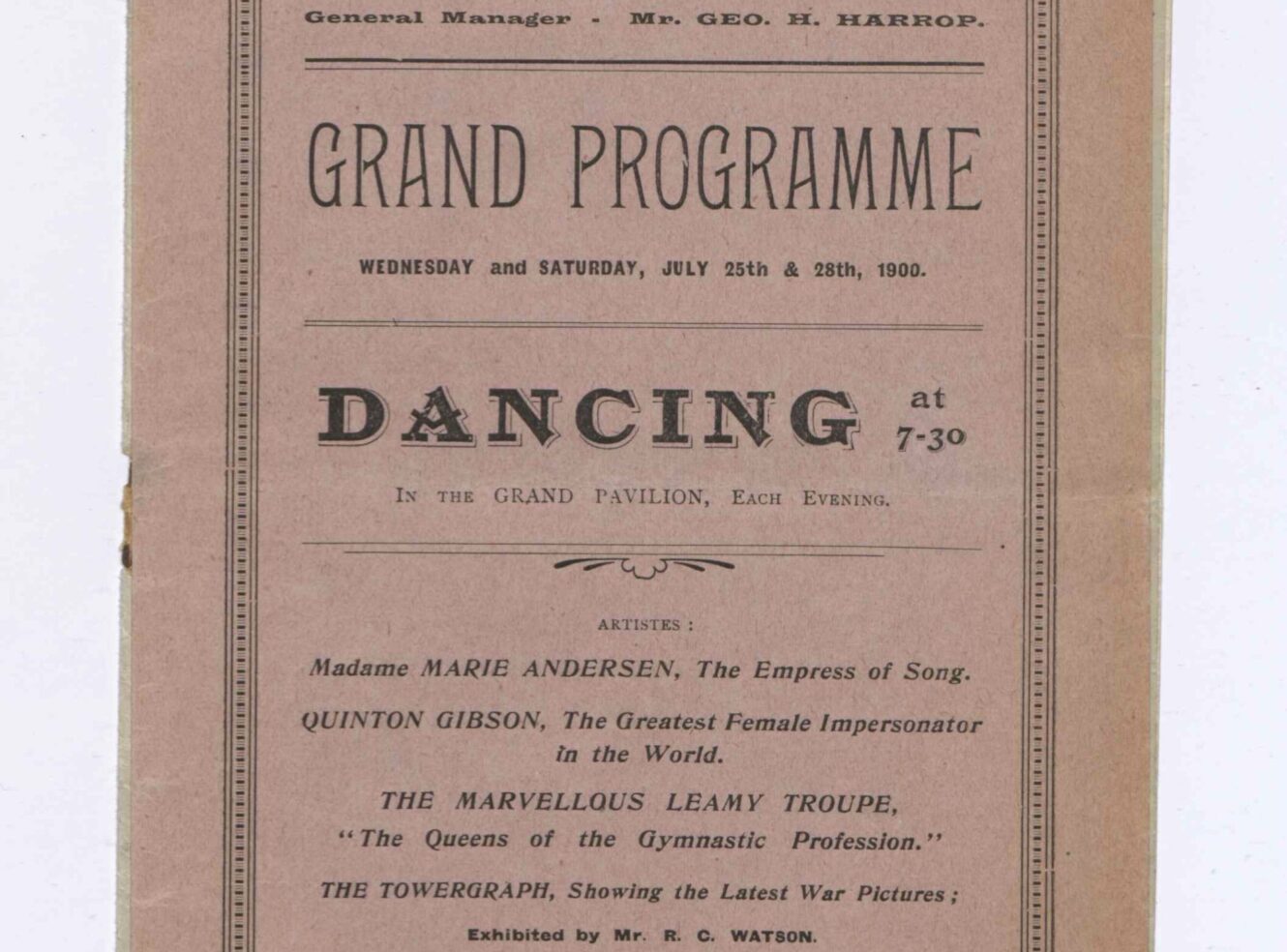 To ‘Gladden the Hearts of the Most Fastidious
While I accept that for many, September signals the start of crisper mornings and the new school year, most of us can agree that autumn is also all about watching a host of celebrities fumble their way through the foxtrot and wrangle with the rumba, leading us up to Christmas with a feast of spangles, silliness, glitter and glamour along the way.
-
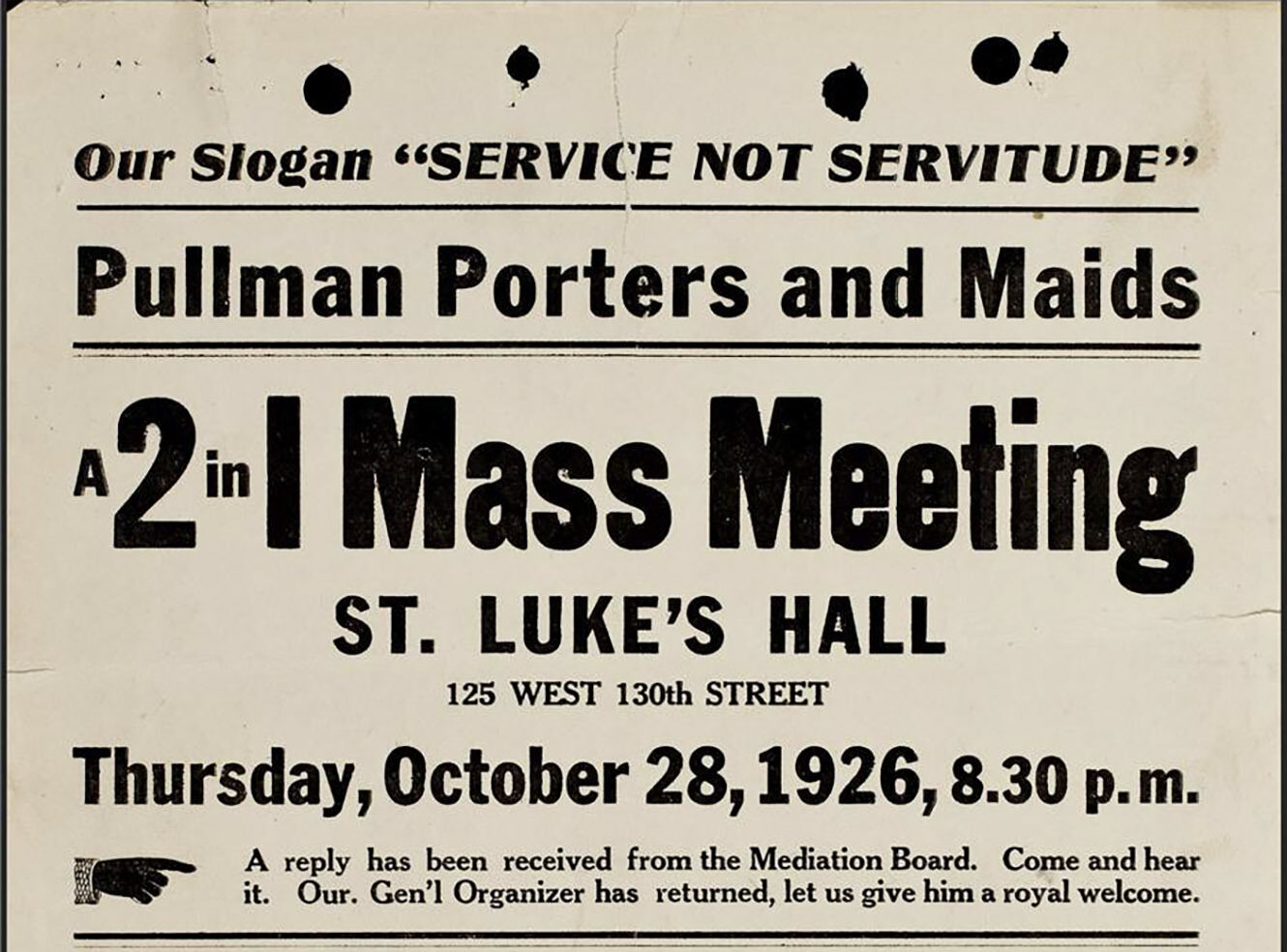 Service Not Servitude
The US federal holiday Labor Day is dedicated to honouring the American labour movement and recognising the contributions and social and economic achievements of American workers. It is a day to celebrate strength and prosperity and to have one last hurrah for summer.
-
 Fun, Sun and Summer Flings
Summer in the northern hemisphere is drawing to a close and with it comes the end of peak holiday season. ‘Back to School’ advertisements and darker evenings remind us that the summer holiday is over, but it won’t be long until travel agents are persuading us to book next year’s dream getaway. To cheer myself up in the meantime I’ve been browsing holiday and tourism paraphernalia from the 1960s and dreaming of vacationing in a more glamourous age.
-
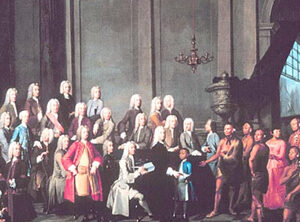 The Utter Ruin of Mary Musgrove Bosomworth
Documents included in Colonial America cover daring feats of piracy, bloody wars, rugged expeditions through frontiers infested with ‘vigorous rattlesnakes’ and reams of legislation that ultimately shaped a nation. However, after hours spent tilting my head this way and that in an attempt to decipher the handwriting of various clerks, it has become clear that the lives of women within the Thirteen Colonies were of less interest to record keepers than politics and trade. A queen may have sat on the throne when English explorers first landed on the coast of Virginia, but the age of empire was, primarily, an age of withered, wigged, white men.
-
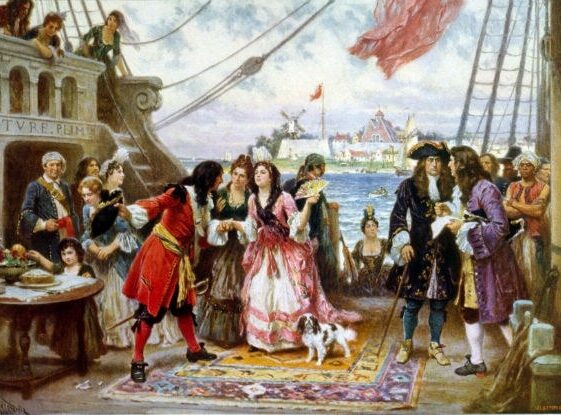 Rough dust gold in a purple bagg: Pirate treasure in colonial America
Over the past couple of months I’ve been spending most of my time indexing documents for our forthcoming Colonial America resource, which consists of British Colonial Office files from The National Archives, Kew. This material covers all aspects of life in the Thirteen Colonies and beyond, from the everyday administrative grind of council meetings and petitions about land rights to the more evocative subjects (from the comfortable vantage point of twenty-first-century Britain) of battles with the French, parlays with Indians, and pirates – or ‘pyrates’, as most writers of the time rather pleasingly spelled it.
-
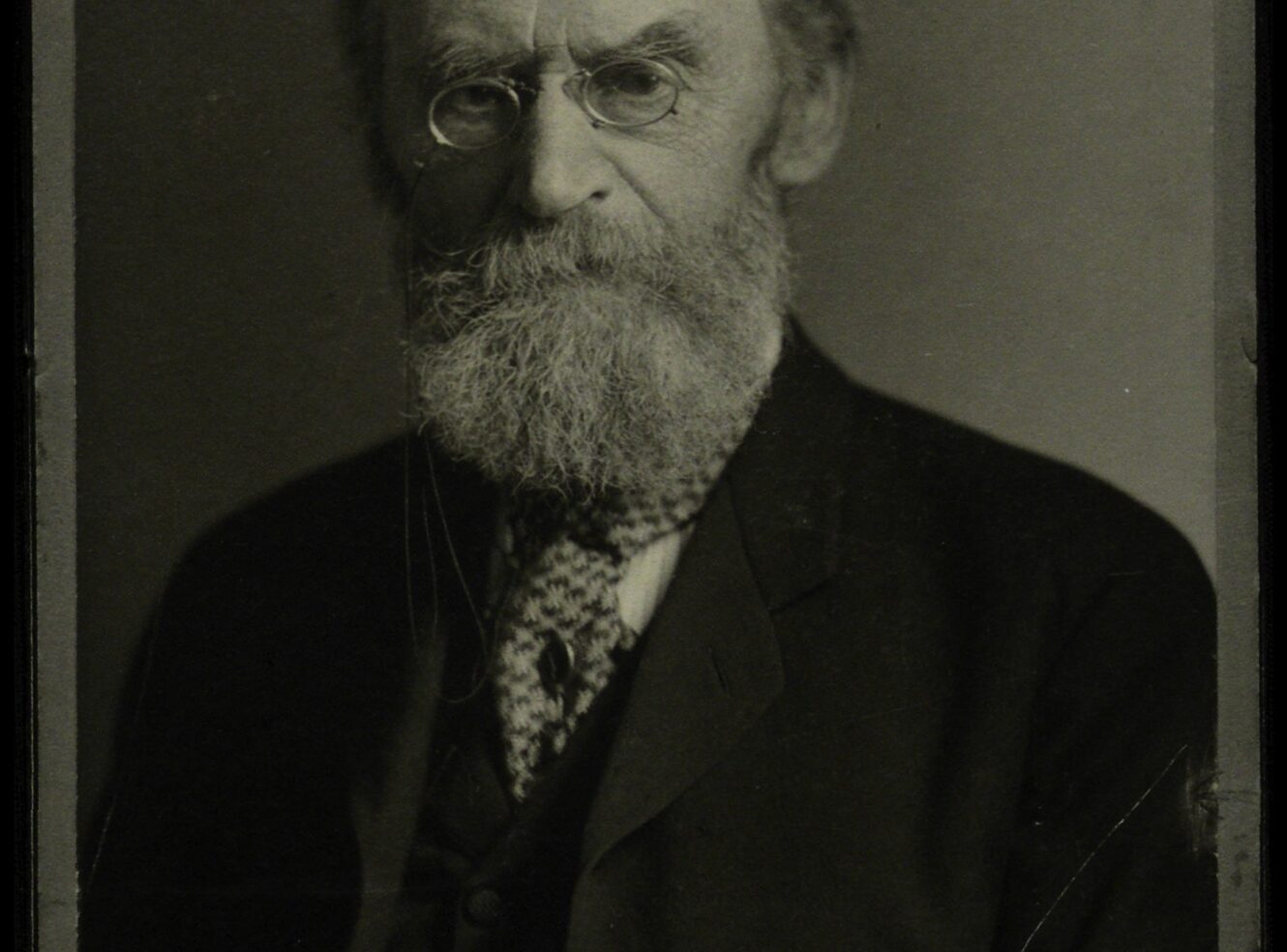 Escape from Spandau Prison
Migration to New Worlds: A Century of Immigration reminds me of a photo-mosaic. The resource sweeps across several cultures, tens of decades and thousands of miles to explore the mass migration of peoples in the nineteenth and early twentieth century, but this rich narrative is actually comprised of a multitude of stories of the individuals, families and communities that decided to up sticks and ship themselves off to a whole new life.
-
 Graham crackers: the original health food (or, bourbon marshmallow s'mores with bacon!)
It may surprise you to learn that fad diets are not a recent phenomenon; the 1830s saw a health food craze, founded by Sylvester Graham (1794-1851), sweep across the US. Graham’s philosophy resonates with current trends; championing fresh fruit and vegetables and wholegrains while cutting out fat, meat and sugar.