
Shakespeare in Silent Film
This highly engaging visual resource explores Shakespearean films from the silent era preserved in the BFI National Archive.
Consisting of films from Britain, the USA, France, Germany, Australia, and Italy, the research potential of this unique visual material will appeal internationally across departments and disciplines including Cinema studies, Shakespeare studies, English, Theatre, Media studies, and beyond.
The range of cinematic interpretations of Shakespeare’s plays presented in the collection not only reflect the pervasive cultural influence of his work but demonstrate how the evolving silent film industry during this period benefited from the association, giving it an air of cultural respectability. Films typically condensed the plays or focused exclusively on noteworthy scenes familiar to audiences, which provides new research opportunities based on those interpretations, and allow users to both celebrate Shakespeare’s storytelling and trace the evolution of the medium of narrative cinema.
By bridging the gap between theatre and film, these films showcase the power and potential of visual storytelling in the early days of film alongside the enduring appeal of Shakespeare’s works.
Highlights
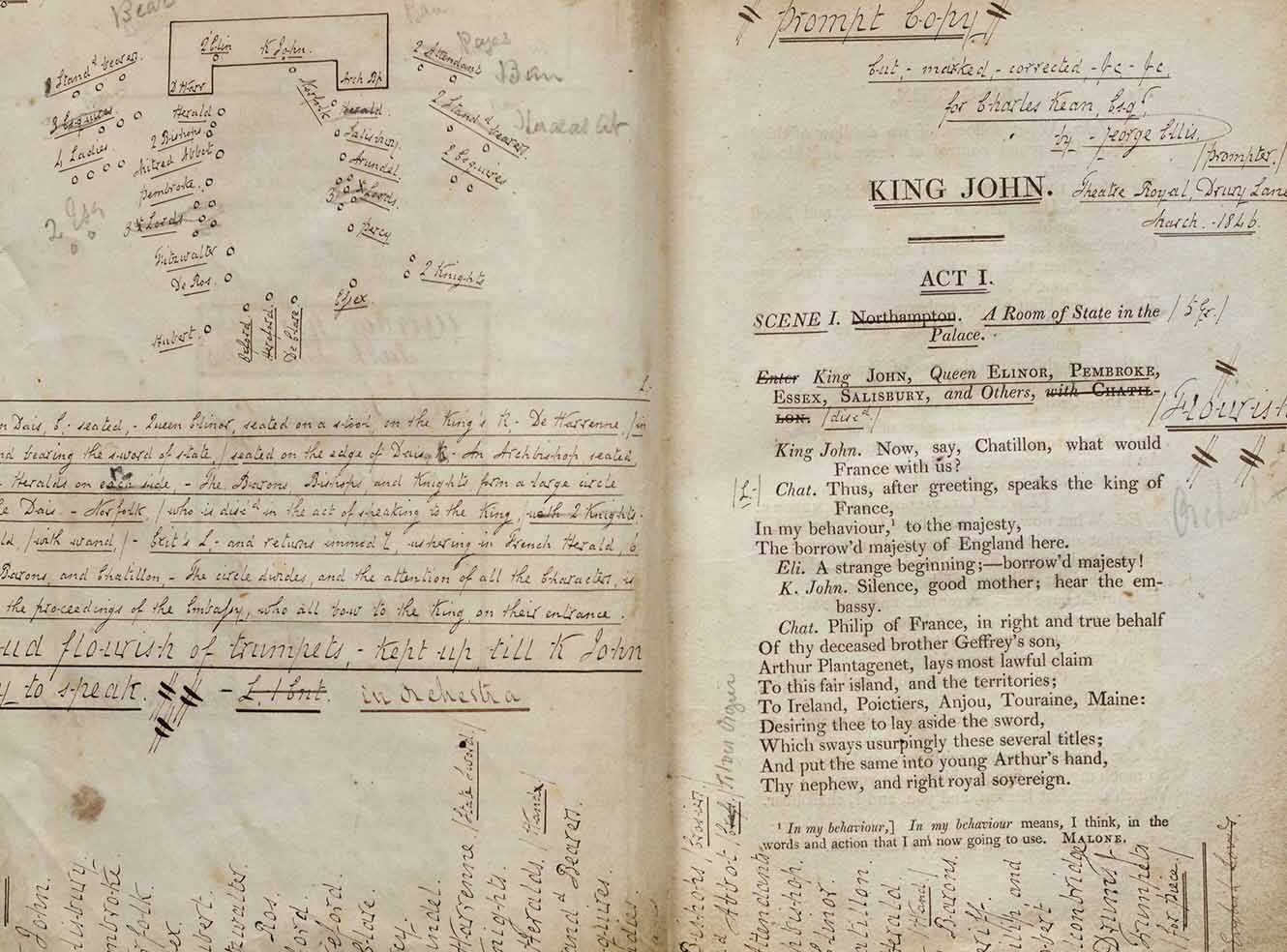
- An adaption of King John from 1899, representing the earliest known example of a film based on a play
- Contextual materials to support teaching, including films with expert audio commentaries and a selection of films newly accompanied by music from silent film pianist Neil Brand
- Pioneering American productions from Vitagraph, including some of the earliest adaptations which contributed significantly to the popularisation of Shakespeare
- Satirical works by pioneering British animator Anson Dyer
- Films featuring well-known Shakespearean performers, such as Herbert Beerbohm Tree and Matheson Lang. These films are a great visual record of iconic Shakespeare performances and see these actors adapting to a new medium
- Multiple interpretations of Shakespeare’s most popular plays, including Hamlet, Twelfth Night, Julius Caesar, King Lear and Othello
- Amateur performances of Shakespeare recorded during live events, such as Twelfth Night performed for patients outside of Bournbrook Military Hospital
- A single original sound film, The Merchant of Venice, from 1927, produced by De Forrest Phonofilm but never distributed. Using nascent sound-on-disc technology it would have been the first “talking” Shakespeare if released but remains the earliest surviving example of Shakespeare’s dialogue recorded on film
Included in

Key data
Period covered
Source archive
- BFI National Archive
- Audiences, leisure and entertainment
- Early film
- Film techniques and technology
- Literary adaptation
- Silent film
- Bryony Dixon, BFI
- Anthony Guneratne, Florida Atlantic University
- Peter Holland, Notre Dame
- Andrew Shail, Independent researcher
- Great Britain, Republic of Ireland and Northern Irish Studies
- Literature
- Technology
- Theatre
- Women's History