

Nelson Mandela, the ‘champion of African nationalism’ and a changed South Africa
At the height of the apartheid era, in 1964, ten leaders of the African National Congress (ANC) stood accused of a number of charges, including acts of sabotage, which was, in extreme cases, punishable by death. In what was known as the Rivonia Trial, one of the accused was a man called Nelson Mandela.
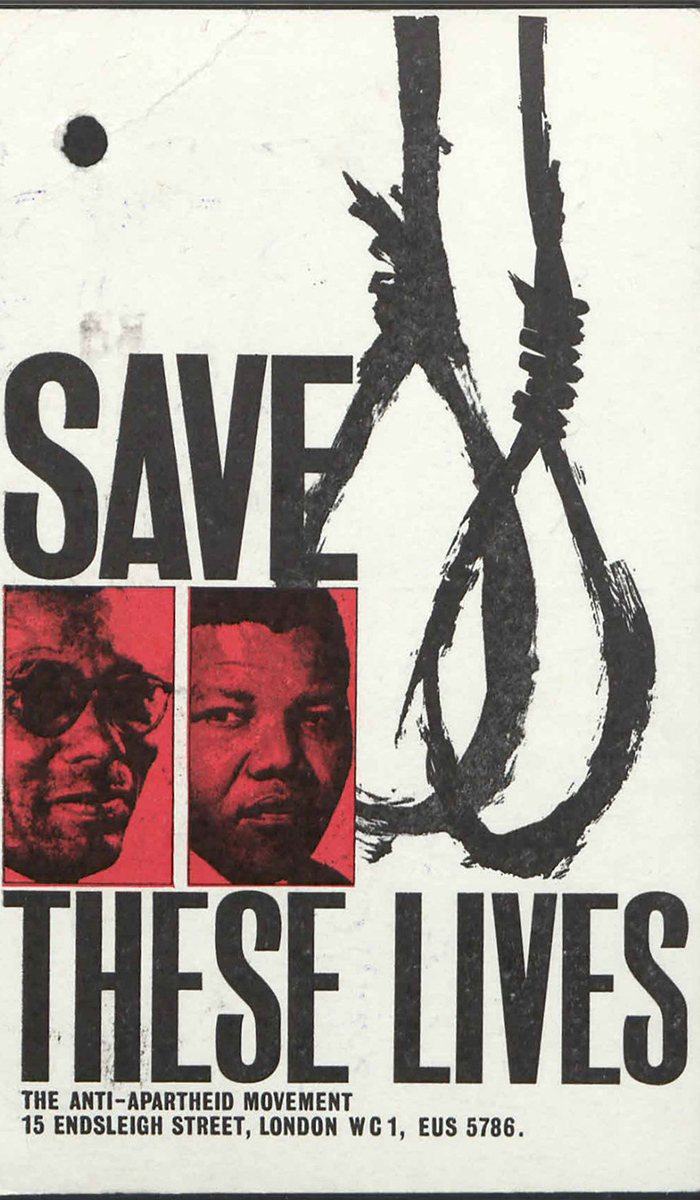
Image © The National Archive. Further reproduction prohibited without permission.
While millions of people watched the spectacle, one particularly interested party was the British Foreign Office, as seen in documents included in Apartheid South Africa, 1948‒1994. As events unfolded, British officials, together with their US counterparts and much of the world, breathed a collective sigh of relief when a verdict of life imprisonment was passed down, rather than the death sentence, and congratulated each other for not getting involved.
I have discussed with my American colleague. We are both profoundly relieved that in the event no death sentences have been passed. In our view this outcome fully demonstrates the wisdom and correctness of British and American action in abstaining in Security Council on the resolution of Rivonia.
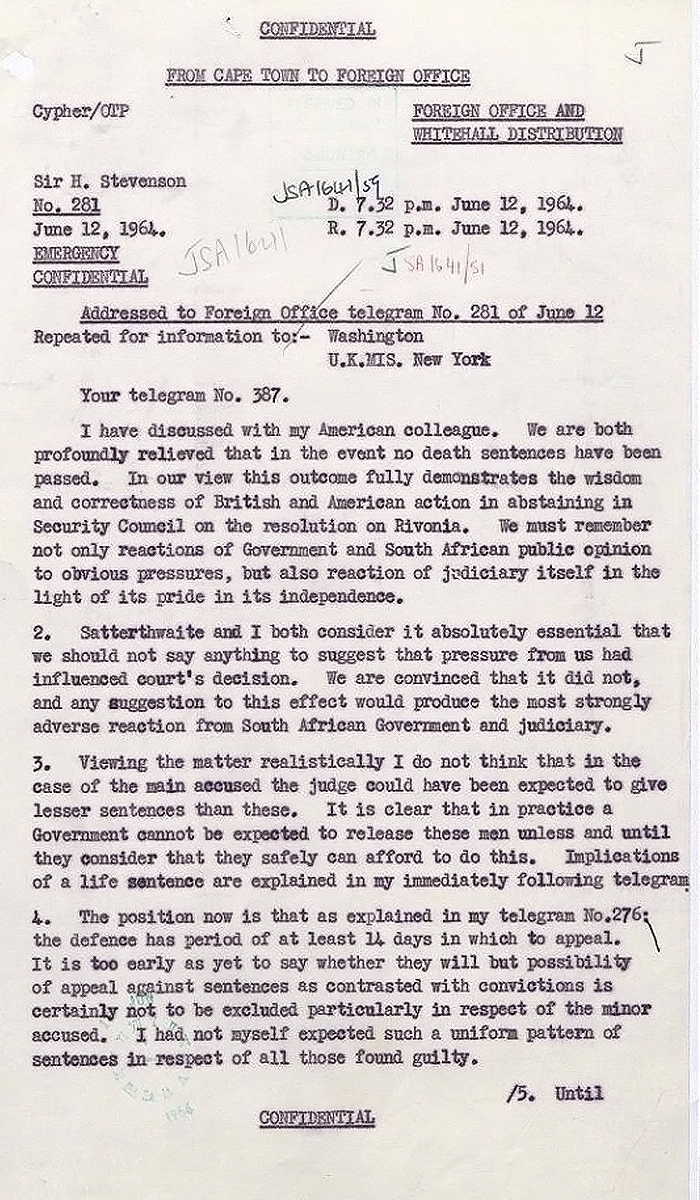
Image © The National Archive. Further reproduction prohibited without permission.
It is also interesting to note that British officials clearly saw Nelson Mandela, despite possible communist ties, as an important African leader in a period of growing worldwide condemnation of apartheid and the advancing anti-apartheid movement. One highlight of the Apartheid South Africa, 1948‒1994 collection are the biographies and correspondence concerning Mandela and the other accused men.
Mandela is a champion of African nationalism and is going to be a popular figure over the whole continent whether we like it or not.
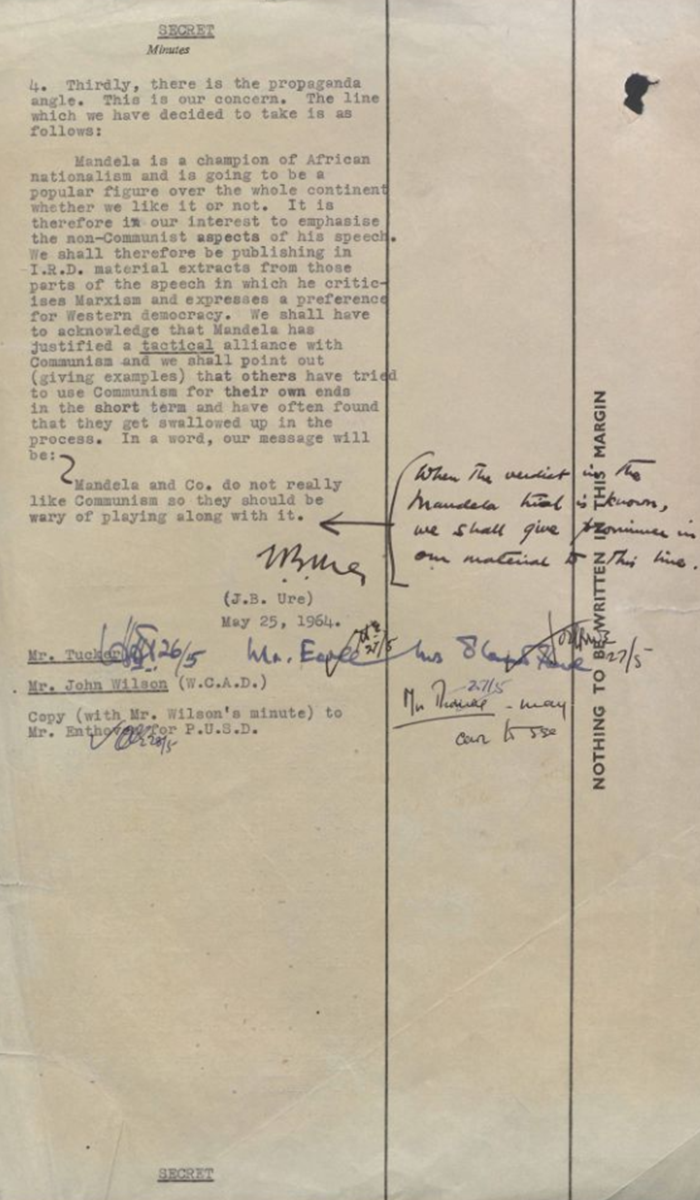
Image © The National Archive. Further reproduction prohibited without permission.
During my life-time I have dedicated myself to this struggle of the African people. I have fought against white domination, and I have fought against black domination. I have cherished the ideal of a democratic and free society in which all persons live together in harmony and with equal opportunities. It is an ideal which I hope to live for and to achieve. But if needs be, it is an ideal for which I am prepared to die.
Nelson Mandela would be freed in 1990 and continue the fight to end Apartheid in South Africa and push for equality.
For more information about Apartheid South Africa, 1948-1994, including pricing, please request a demo.
Recent posts

Noor Inayat Khan's story, revealed through wartime intelligence records, uncovers the realities of espionage and the extraordinary courage of a woman whose legacy challenges how we remember the Second World War.

Discover how Shakespeare’s earliest screen adaptations were never truly silent. Explore newly accompanied films and an early sound experiment featured in Shakespeare in Silent Film.