

Life through a lens: Photographing the Mexican Revolution
Mexico has a rich and varied history: from the ancient civilisation of the Aztec Empire to the soldaderos of the Mexican Revolution, AM’s Mexico in History: Colonialism to Revolution resource provides a fascinating glimpse into this country’s colourful past.
One of the defining moments of Mexico’s history was the Mexican Revolution, which began in 1910. This was one of many revolutions of the twentieth century and the resulting developments in Mexico sent shockwaves across the rest of the globe.
As one of the first revolutions to be photographed, the Mexican Revolution provides an opportunity to examine some of the earliest examples of photojournalism. As the Revolution unfolded, it was captured through the lens of Sara Castrejón, a pioneering female photographer. Castrejón completed her training as a photographer shortly before the Revolution began. Rather than shy away from the conflict, she used her skills to capture passing armies and invited soldaderos into her studio to capture their portraits.
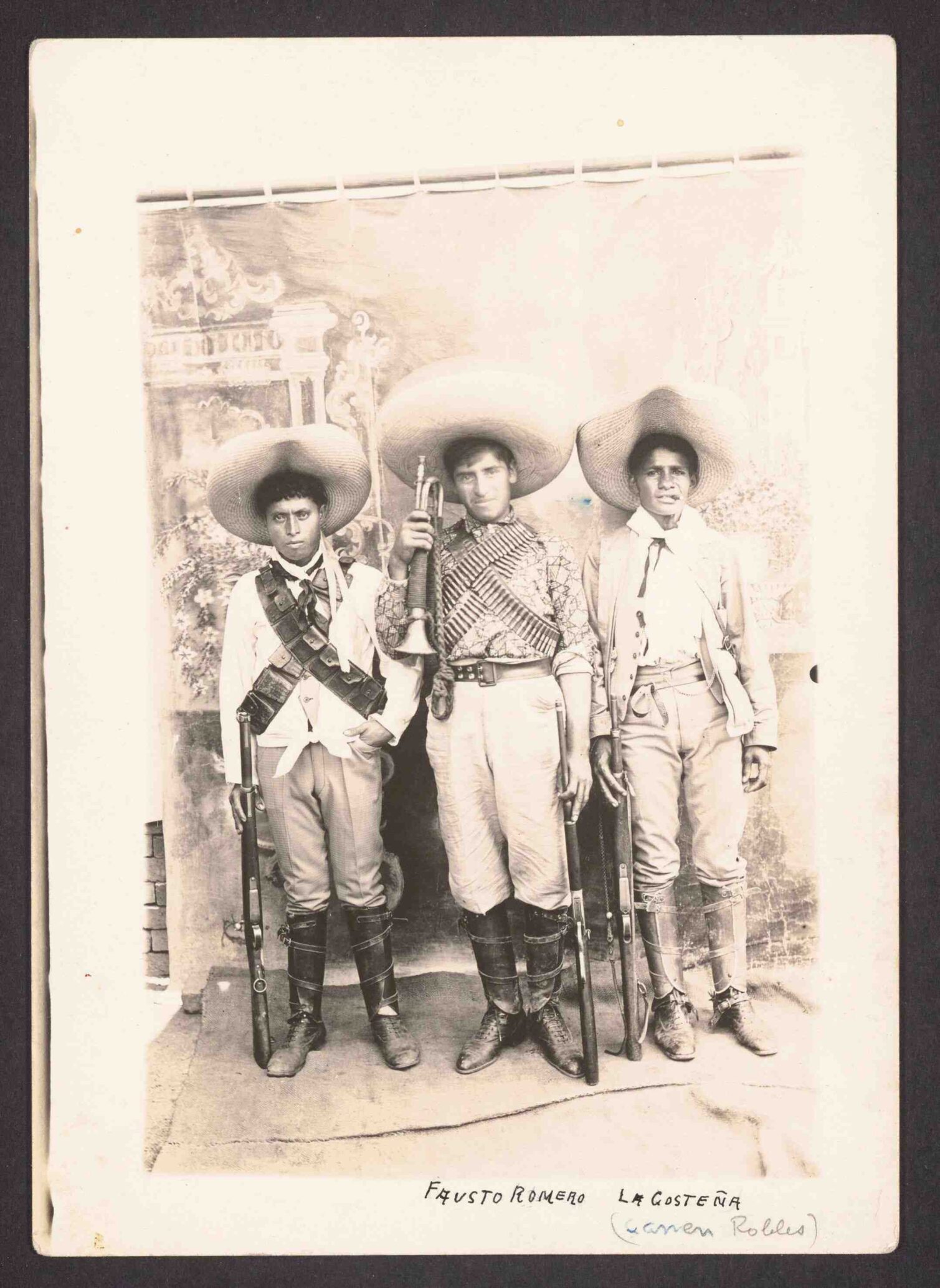
Castrejón’s photographs offer a rare glimpse of the people who were inspired to fight during the Revolution but who were not part of the political elite. One of her most exceptional portraits is that of Amelio Robles Ávila. Robles Ávila was a Colonel for the Zapatista army, led by Emiliano Zapata, who fought for left-wing agrarian and social reform. Assigned female at birth, Robles Ávila showed interest in traditionally ‘masculine’ activities and dressed like a man. In his early twenties, Robles Ávila joined the army and fought as a male soldier, and in later life had a relationship with a woman, with whom he adopted a child. Resultantly, many historians have described Ávila as what we would now call transgender.
Fausto Romero. La Costeña. (Carmen Robles). [Coronel Carmen Amelia Robles Ávila], sin fecha. Material sourced from The Bancroft Library, University of California, Berkeley.
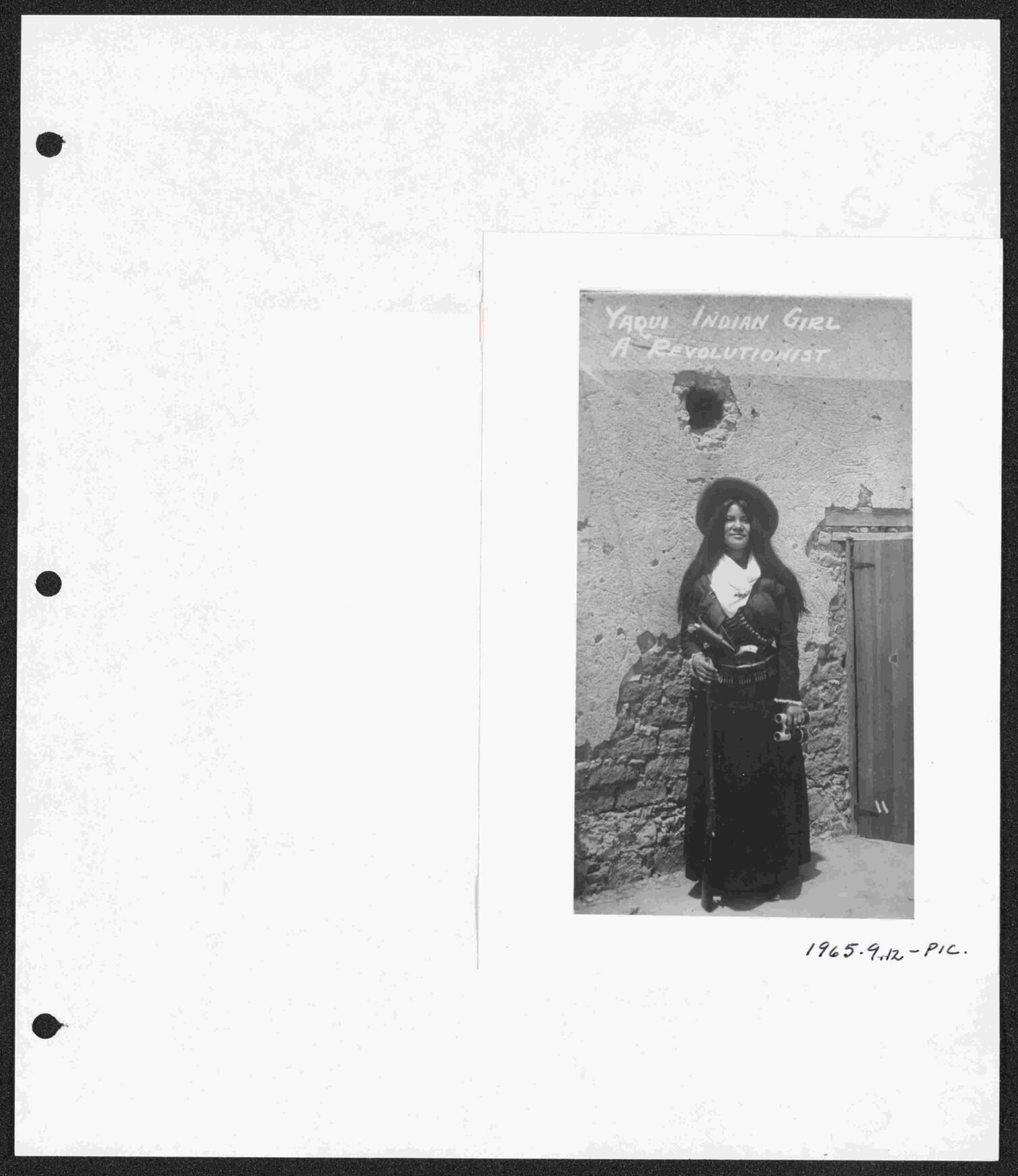
As well as that of Robles Ávila, there are many photographs documenting the involvement of other marginalised people during the Revolution, including female soldiers known as soldaderas, and members of various Indigenous communities. Such figures are often excluded from traditional historical accounts; therefore, their images are an important testament to their involvement in the foundation of the modern Mexican state.
Photographs from the Mexican Revolution [graphic] [1] image no.7. Material sourced from The Bancroft Library, University of California, Berkeley.
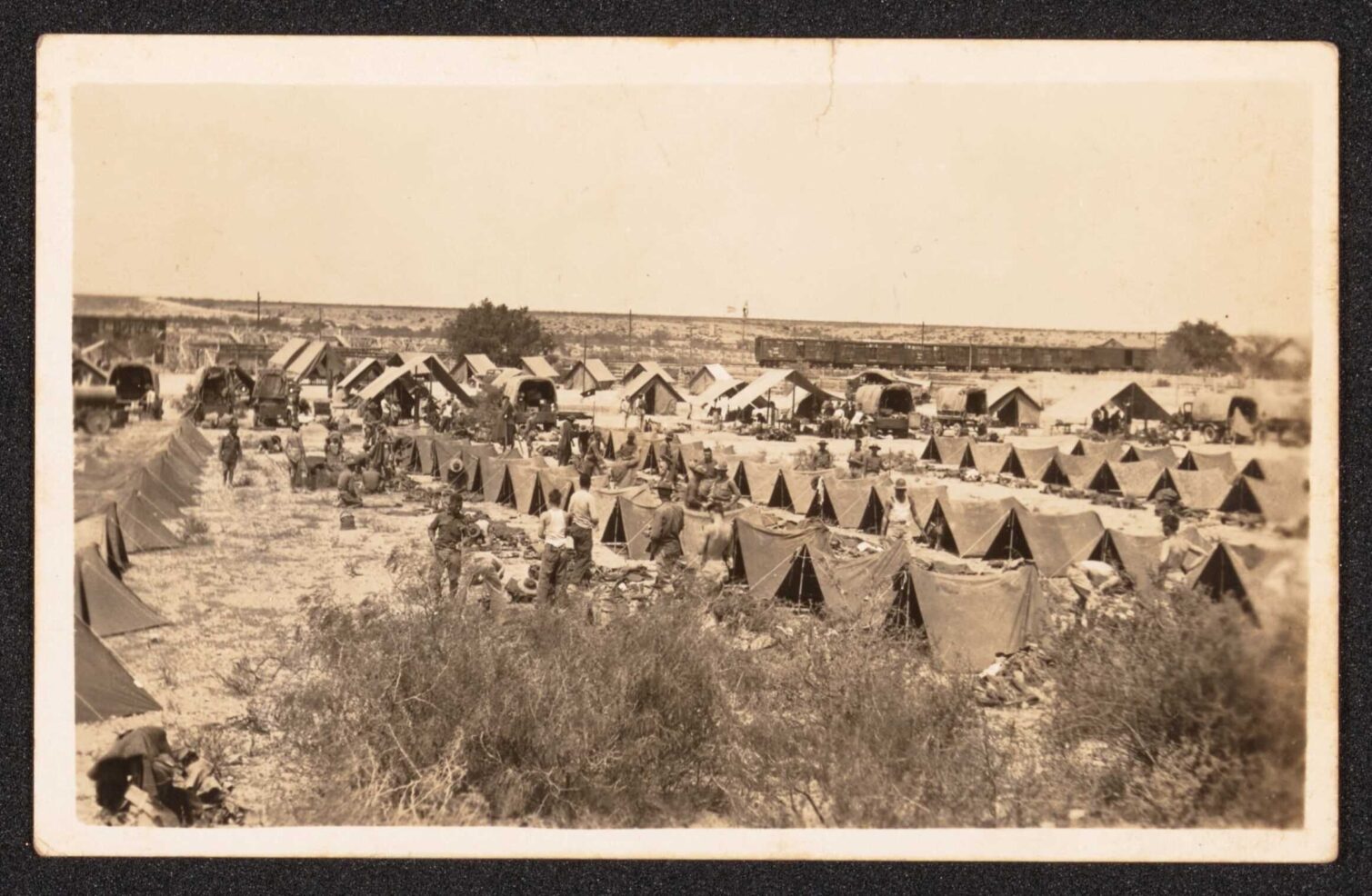
Commercial postcards with photographs depicting graphic scenes of the Revolution were also mass produced. Some of these postcards depicted the mass destruction of towns and gruesome events such as La Decena Trágica. It might be hard for a modern audience to understand why such scenes were printed on postcards, however, for contemporary audiences this was an important way to communicate unfolding events during a period with more limited communication methods.
Mexican Revolution postcards [graphic] [1] image no. 1. Material sourced from The Bancroft Library, University of California, Berkeley.
While photojournalism is an everyday part of news broadcasting today, the photographs produced during the Mexican Revolution are a wonderful example of the ways in which people captured the events that were unfurling around them. The fact that so many of these images depict ‘ordinary’ people whose contributions were often overlooked in traditional narratives is a testament to their value.
For more information about Mexico in History: Colonialism to Revolution, including pricing, please request a demo.
Recent posts

A snapshot of wartime Kabul, this piece highlights diplomatic intrigue, espionage, and shifting alliances in neutral Afghanistan, alongside broader themes of modernisation, geopolitical tension, and resistance movements during the Second World War.

Explore how newspapers reveal the personal alongside the political, from global events to everyday life. This blog uncovers striking public notices from Trinidad, where husbands and wives used the press to renounce responsibility for one another, offering a rare glimpse into relationships, gender roles and legal realities.