

Celebrating May Day, and all it Meant To Chicago Commons
The month of May, for many cultures, is associated with a variety of weird and wonderful events as communities have historically come together to celebrate May Day. Even today many of us will have clear memories of partaking in May Day celebrations, whether it be dressed in ribbons dancing (slightly confused) around a Maypole, or painted up alongside ‘Jack-in-the Green’. As fate would have it, I’ve recently enjoyed delving into The Newberry Library's Chicago Commons Collection used in our up-coming resource Migration to New Worlds: The Modern Era, where the May Day festivities of Chicago are depicted in full swing.
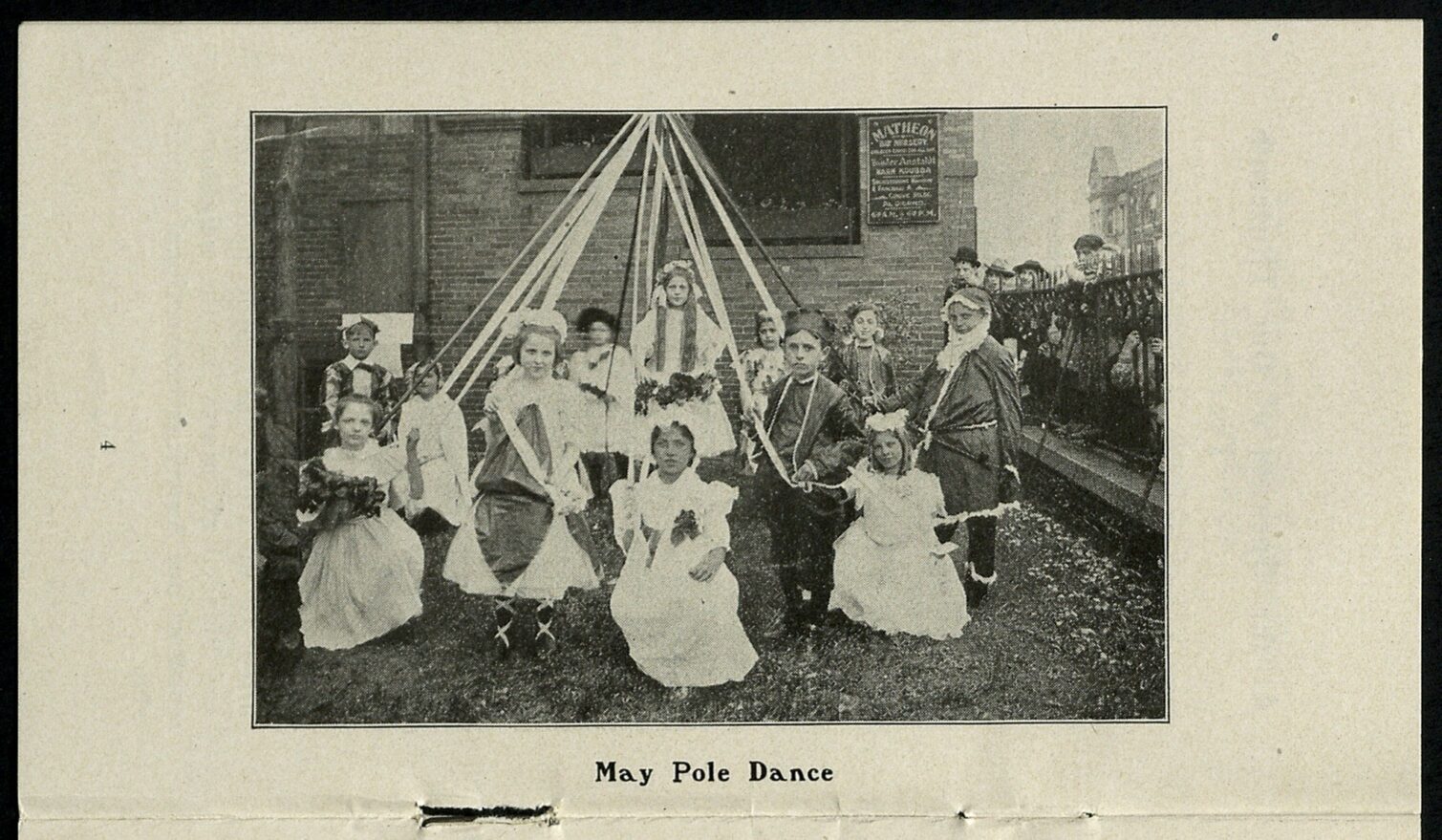
Chicago Commons Programs, Publications, 1906 © The Chicago Commons
Whilst animated recollections of many an “exciting evening of the May Day festival” are a common feature of memoirs recorded by past Chicago Common’s members, it is within the Commons' annual newsletters that such events truly come to life. Here, there are some fantastic photographs of the annual May Day activities, ranging from an iconic May Pole Dance, to the stranger and intriguing “May Festival Broom Drill”.
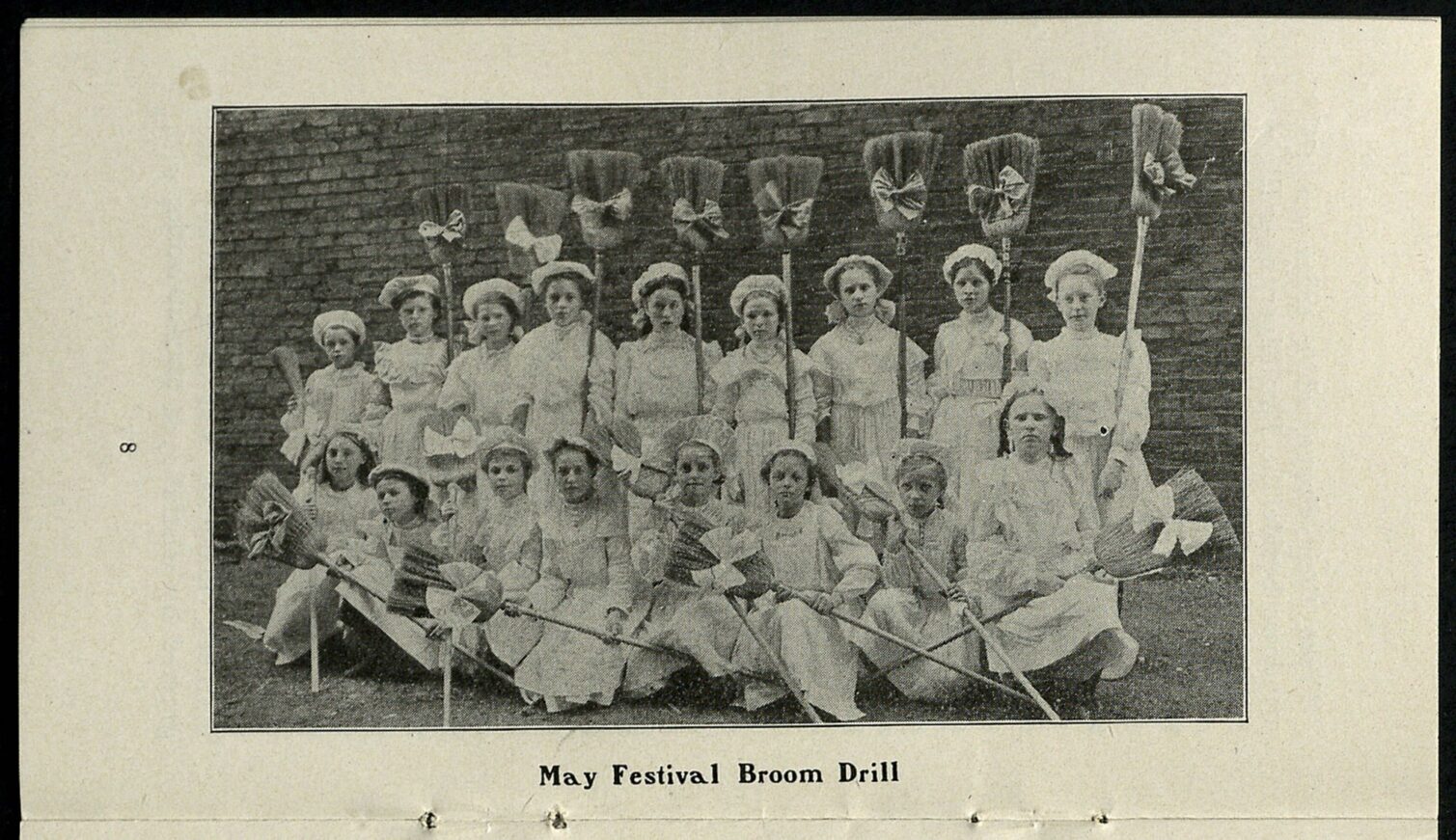
Chicago Commons Programs, Publications, 1906 © The Chicago Commons
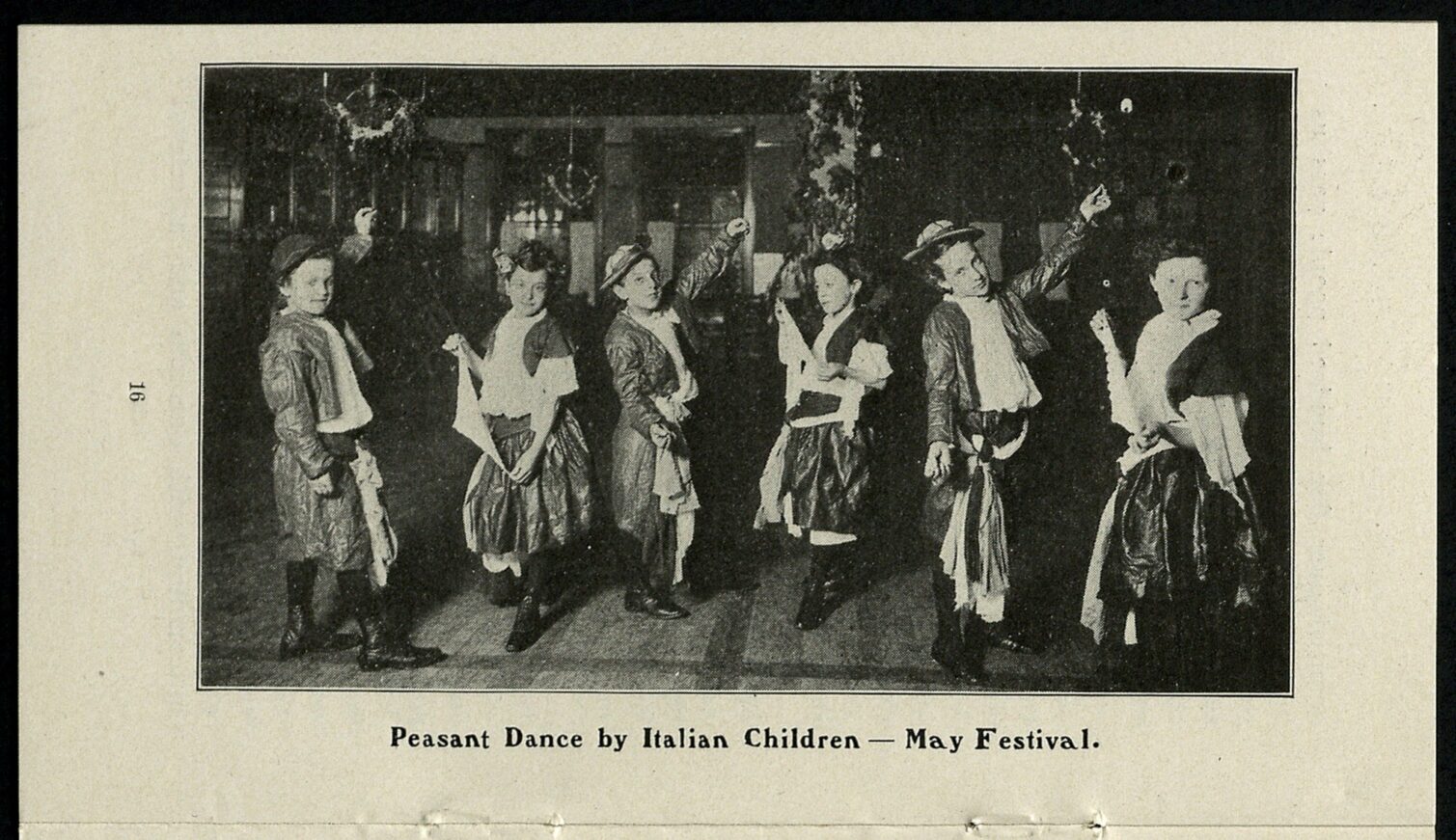
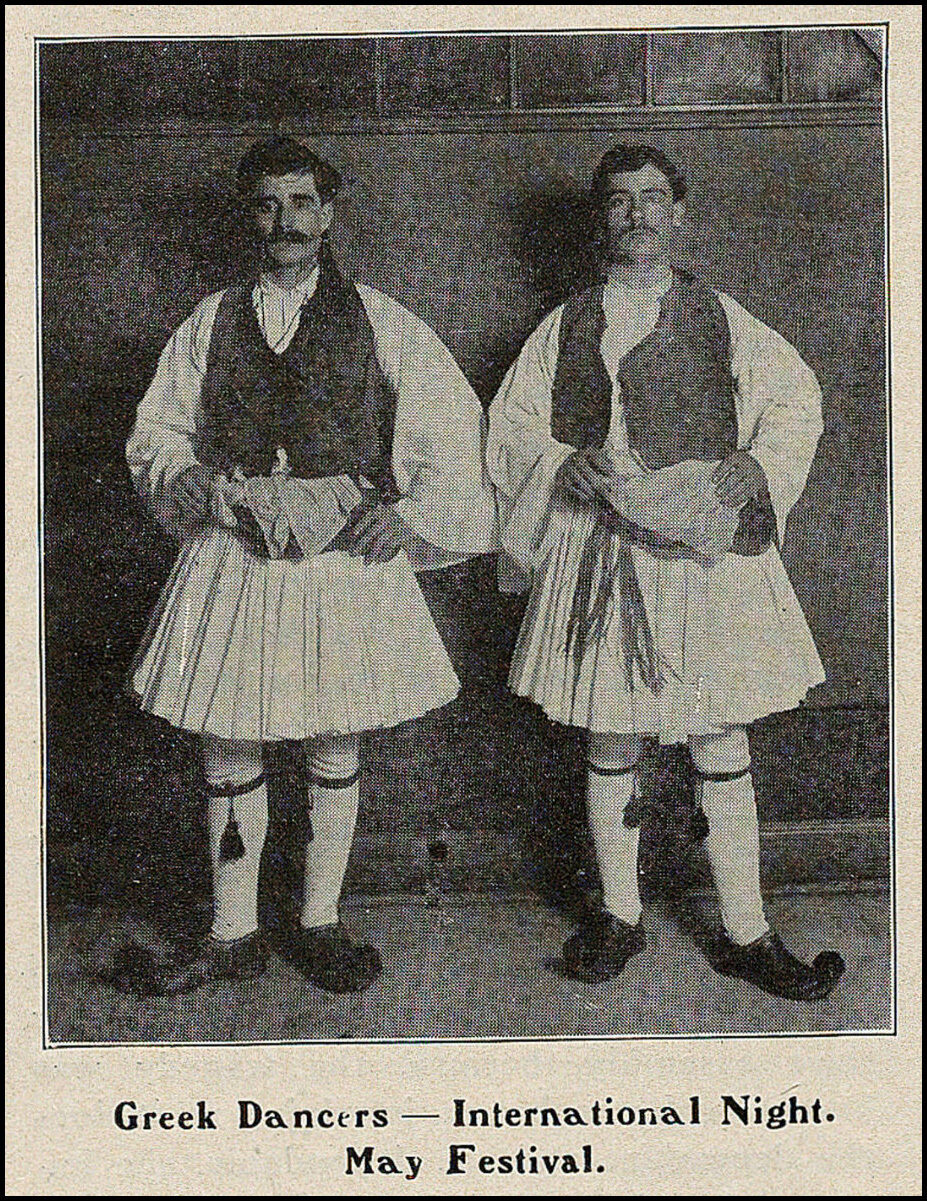
Articles within this publication also elaborate upon the annual May Day events which, “held the second or third week of May…involved almost every club or interest group and boasted an annual attendance of hundreds of neighbours, friends, and supports, throughout the city”. The various craft exhibits, musical concerts, and athletic events were extremely popular, but above all, members of the Commons commonly reflect that “the most exciting evening of the May Festival was a folk dancing performance”.
Chicago Commons Programs, Publications, 1906 © The Chicago Commons
Chicago Commons Programs, Publications, 1906 © The Chicago Commons
Although these fantastic photographs of the “Peasant Dance by Italian Children”, and “Greek Dancers” performing on the “International Night” of the 1906 May Festival are very entertaining today, they also capture the important influence that May Day had upon the cultural cohesion of Chicago communities.
Chicago neighbourhoods since the early 1820s had been somewhat divided, as arriving immigrant families settled into clearly segregated ethnic groups in their desire for security and support. In an effort to encourage greater cultural and community cohesion Graham Taylor founded The Commons, a philanthropic club and public service which sought to facilitate immigrant families transitioning to a new culture. Offering childcare, educational and citizenship classes, and often aiding members gain employment or financial aid were but a few of the ways in which The Commons sought to support local immigrant communities, and holding an annual May Day festival was but another. However, unlike their regular picnics, concerts, and vocational trips, the annual May Day celebrations offered more than an opportunity for immigrant families to interact. As their ‘Changing Faces of Commons’ 80th Anniversary publication highlights, the popularity of the May Day celebrations stemmed from their capacity to allow each family to “‘interpret the differences of their origins to neighbours of other nationalities”.
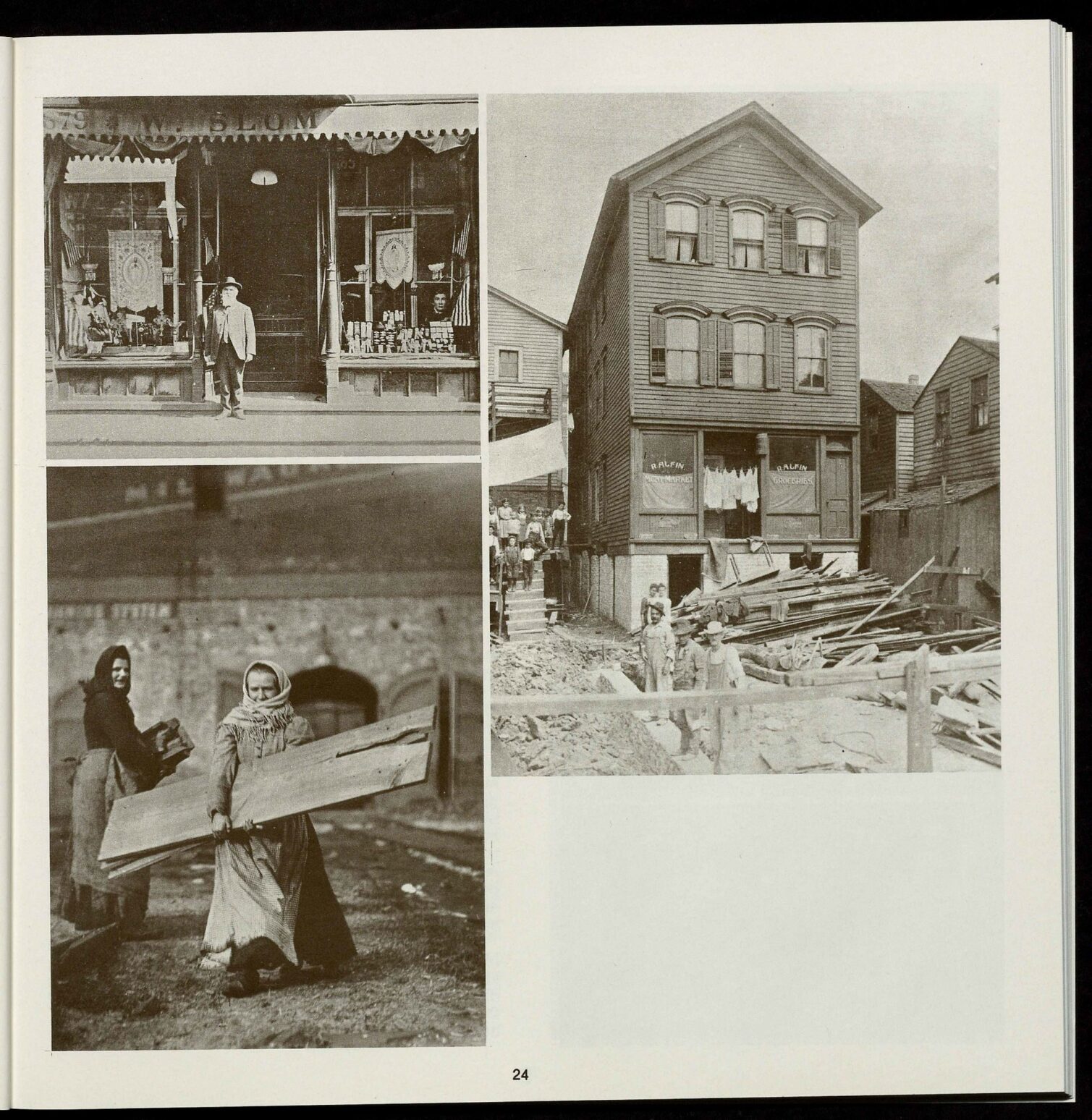
Chicago Commons Programs, Publications, 1970 and 1975 © The Chicago Commons
Evidently, May Day celebrations meant far more to members of The Commons than they do for many of us today. These celebrations provided immigrant families in Chicago with a unique platform upon which they could present, but also preserve, their cultural customs for second generations “all too frequently ‘Americanized’ to the point of overlooking the cultural legacies of their heritage”.
Migration To New Worlds: The Modern Era is available now. For more information, including trial access and price enquiries, please contact info@amdigital.co.uk.
Recent posts

A snapshot of wartime Kabul, this piece highlights diplomatic intrigue, espionage, and shifting alliances in neutral Afghanistan, alongside broader themes of modernisation, geopolitical tension, and resistance movements during the Second World War.

Explore how newspapers reveal the personal alongside the political, from global events to everyday life. This blog uncovers striking public notices from Trinidad, where husbands and wives used the press to renounce responsibility for one another, offering a rare glimpse into relationships, gender roles and legal realities.