
Central Asia, Persia and Afghanistan 1834-1949
Explore the volatile political and diplomatic history of Central Asia, from the decline of the Silk Road to the “Great Game”, the implementation of rapid reforms, and the era of Soviet influence as British influence diminished.
This resource provides digital access to official British government records relating to the region, from the decline of the Silk Road, through the diplomatic confrontation between the British and Russian Empires known as the “Great Game”, to the influence of the emergent Soviet Union in the twentieth century.
Correspondence and eyewitness accounts from the region’s key players document the Anglo-Afghan Wars; the perspectives of Afghan and Persian rulers on foreign activities in the region; and the interplay between China and Russia. Further material concerning the decline of British influence, and the expansion and fall of the Russian Empire allows scholars to build a balanced picture of the tumultuous history of the region.
This collection consists of the following material classes:
- FO 65: Foreign Office and predecessor: Political and Other Departments: General Correspondence before 1906, Russian Empire, 1781-1905
- FO 106: Foreign Office: Political and Other Departments: General Correspondence before 1906, Central Asia,1899-1905
- FO 371: Foreign Office: Political Departments: General Correspondence from 1906-1966
- FO 539: Foreign Office: Confidential Print Central Asia,1834-1971
Highlights
- Correspondence from the government of British India, British Prime Ministers and Viceroys of India
- War diaries of the Kurram Field Force and dispatches from Lord Roberts
- Material relating to early Soviet military takeover of Bukhara, and early Soviet relations with Afghanistan
- Letters from Russian Foreign Ministers, diplomats, and military officials
- Correspondence from national governments including Russia, Persia, Afghanistan and British India
- Correspondence on Francis Younghusband’s expedition to the Pamirs
- Diaries from British intelligence officials based in the North-Western Frontier giving eye-witness accounts of the Khost rebellion and disputes between tribal factions
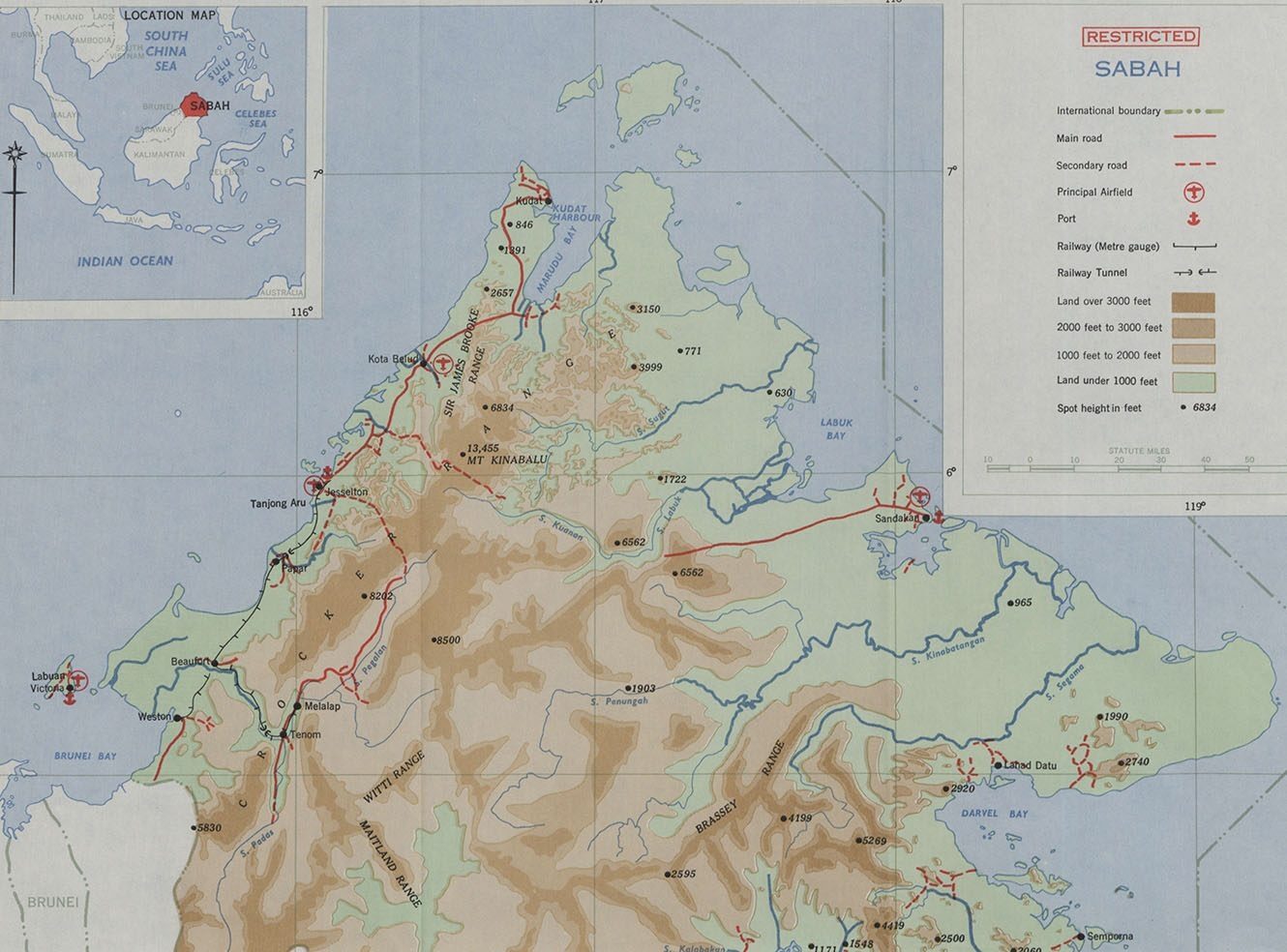
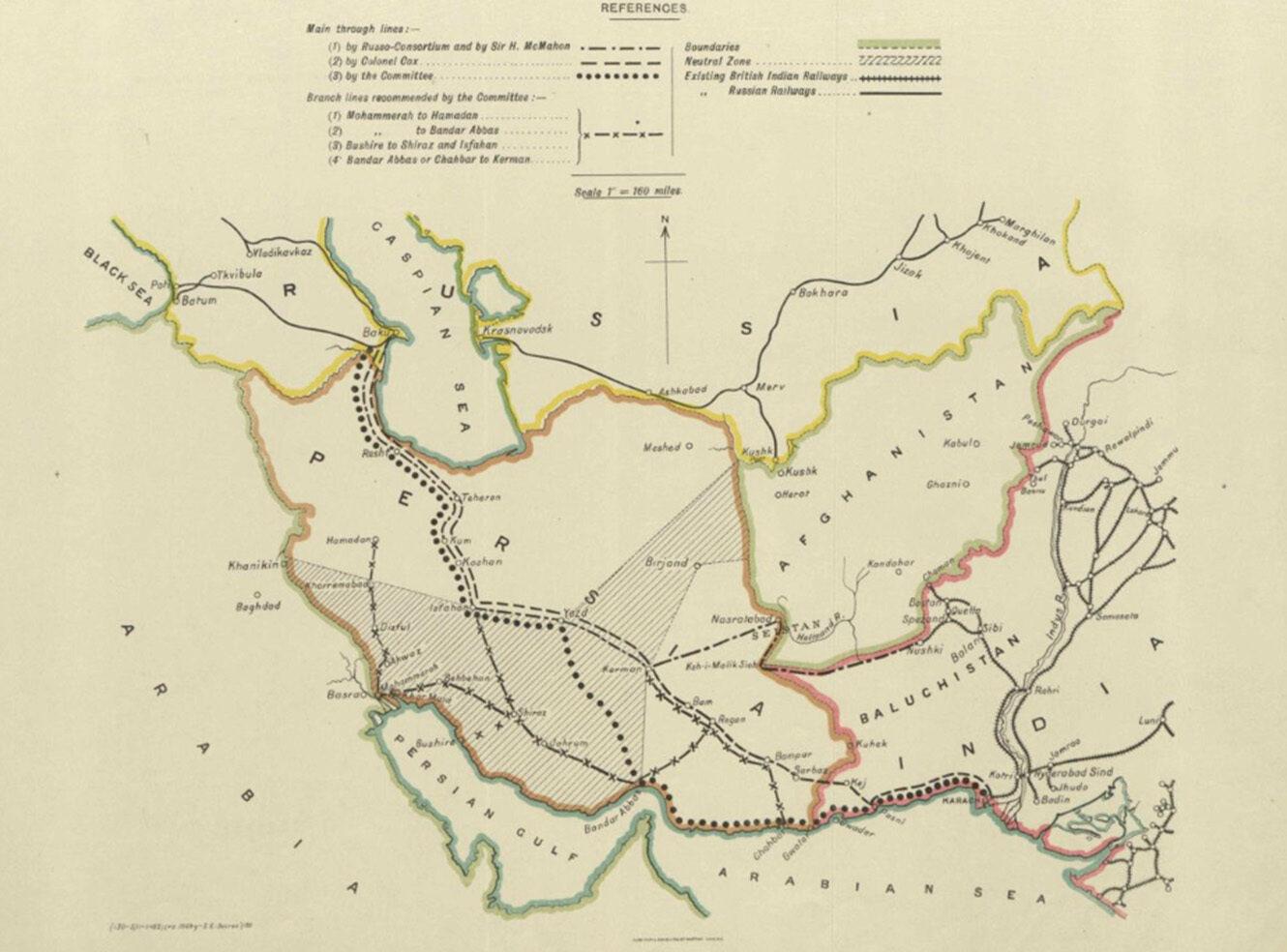
- Hand-drawn maps displaying contested territories and border disputes
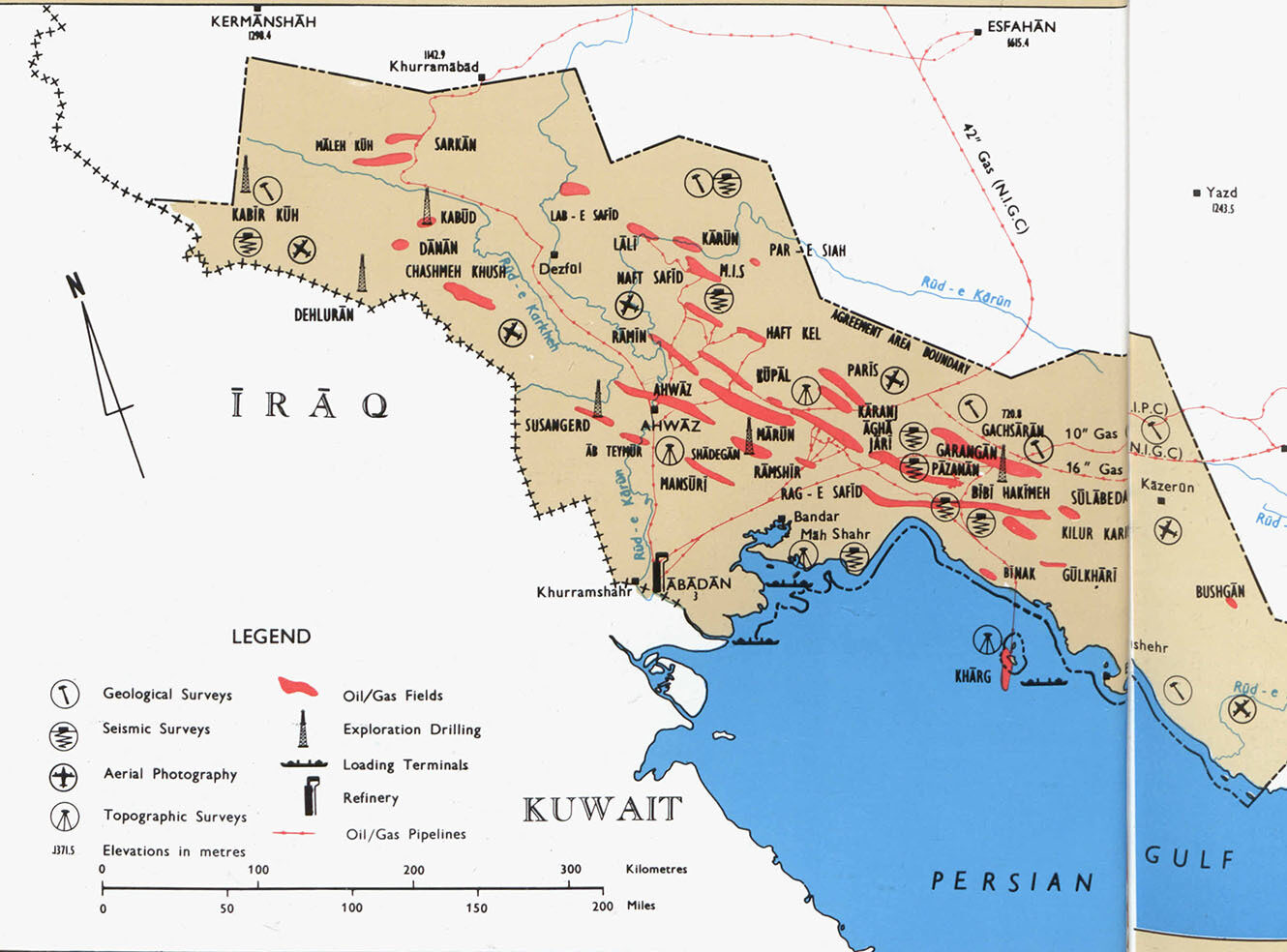
- Documents highlighting British concerns relating to Soviet oil exploration with copies of USSR-Afghanistan communications, such as a note of congratulations from Stalin
Included in

Modules include
| Module | Summary | Date |
|---|---|---|
| From Silk Road to Soviet Rule, 1834-1922 |
Section I explores the volatile political and diplomatic history of the region through government records covering the decline of the Silk Road through the diplomatic confrontation between the British and Russian Empires. |
1834-1922 |
| Afghanistan from the Civil War to World War Two, 1923-1949 (New for 2026) |
Section II focuses on internal developments in Afghanistan from 1923-1949 as Britain and the Soviet Union vied to gain control of the region. The materials examine the implementation of rapid reforms, development of new trade and infrastructure, internal conflict and international relations with Britain, the Soviet Union, and Germany. The resource covers a range of themes such as socio-cultural changes and reform, communist influence and economics as well as tribal conflicts. |
1923-1949 |
Key data
Period covered
Source archive
- The National Archives, UK
- Diplomacy
- Peoples and cultures of Central Asia
- Relations between the British, Russian, Chinese and Ottoman Empires
- Warfare and colonialism
- Correspondence
- Diaries
- Foreign office reports and dispatches
- Maps
- Newspaper articles
- Professor Benjamin Hopkins, George Washington University
- Professor Adeeb Khalid, Carleton College
- Dr Alexander Morrison, University of Oxford
- Central Asian Studies
- Great Britain, Republic of Ireland and Northern Irish Studies
- International Relations
- Political History and Science