

Self-expression, community and identity: Remembering Stonewall
Sex & Sexuality: Self-Expression, Community and Identity is the second module for this collection. It presents documents that focus on the lived sexual experiences of individuals, activism within the LGBTQ+ community, the criminalisation of sexuality between the nineteenth and twenty-first centuries as well as the devastating HIV/AIDs crisis among other major events within LGBTQ+ history.
One such event, and a flashpoint in LGBTQ+ history, is the Stonewall riots which started on 28 June 1969 and continued throughout the following days.
These infamous riots catalysed the existing gay liberation movement in the US and the world and started during a raid on the Stonewall Inn in Greenwich Village, New York where LGBTQ+ patrons fought back against police brutality and subjugation.
Police raids on gay bars at the time were routine, with members of the LGBTQ+ community relentlessly targeted. The raid on the Stonewall Inn on a June evening in 1969 didn’t unfold as police would normally expect, with attendees being arrested and carted off; instead after a prolonged interaction between the police and the patrons at the Inn, a crowd started to form outside the Stonewall in spontaneous protest of the continuous ill-treatment of the LGBTQ+ community.
Eventually, as the police attempted to escort those arrested into patrol vehicles, patrons of the Stonewall attempted to stand up against the police; the evening then descended into a riot with further protests and civil unrest in the area over the following days.
In the aftermath of the riots and uprisings, a number of community-led organisations sprang up in response, including the Gay Liberation Front, whose documents feature in Sex & Sexuality, sourced from the ONE Archives at the USC Libraries.
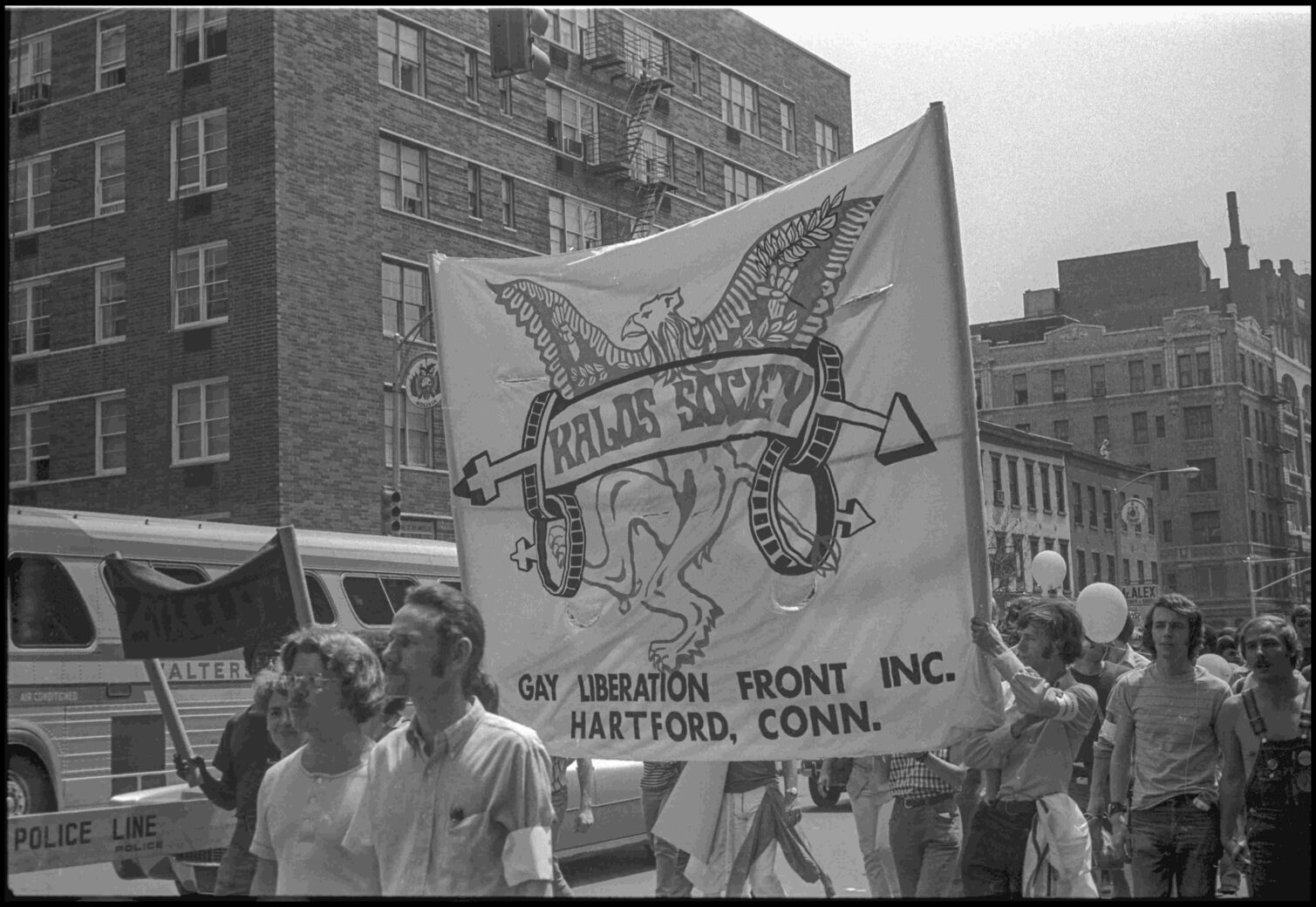
Image: Christopher Street Liberation Day Parade, New York City, ONE Archives at the USC Libraries. Nancy M Tucker material © Nancy M Tucker. Material sourced from the ONE Archives at the USC Libraries.
Another group that emerged were the Christopher Liberation Day Committee (whose documents similarly feature in Sex & Sexuality, sourced from the ONE Archives), who formed and organised a march starting on Christopher Street where the Stonewall Inn is located, to commemorate the first anniversary of the riots.
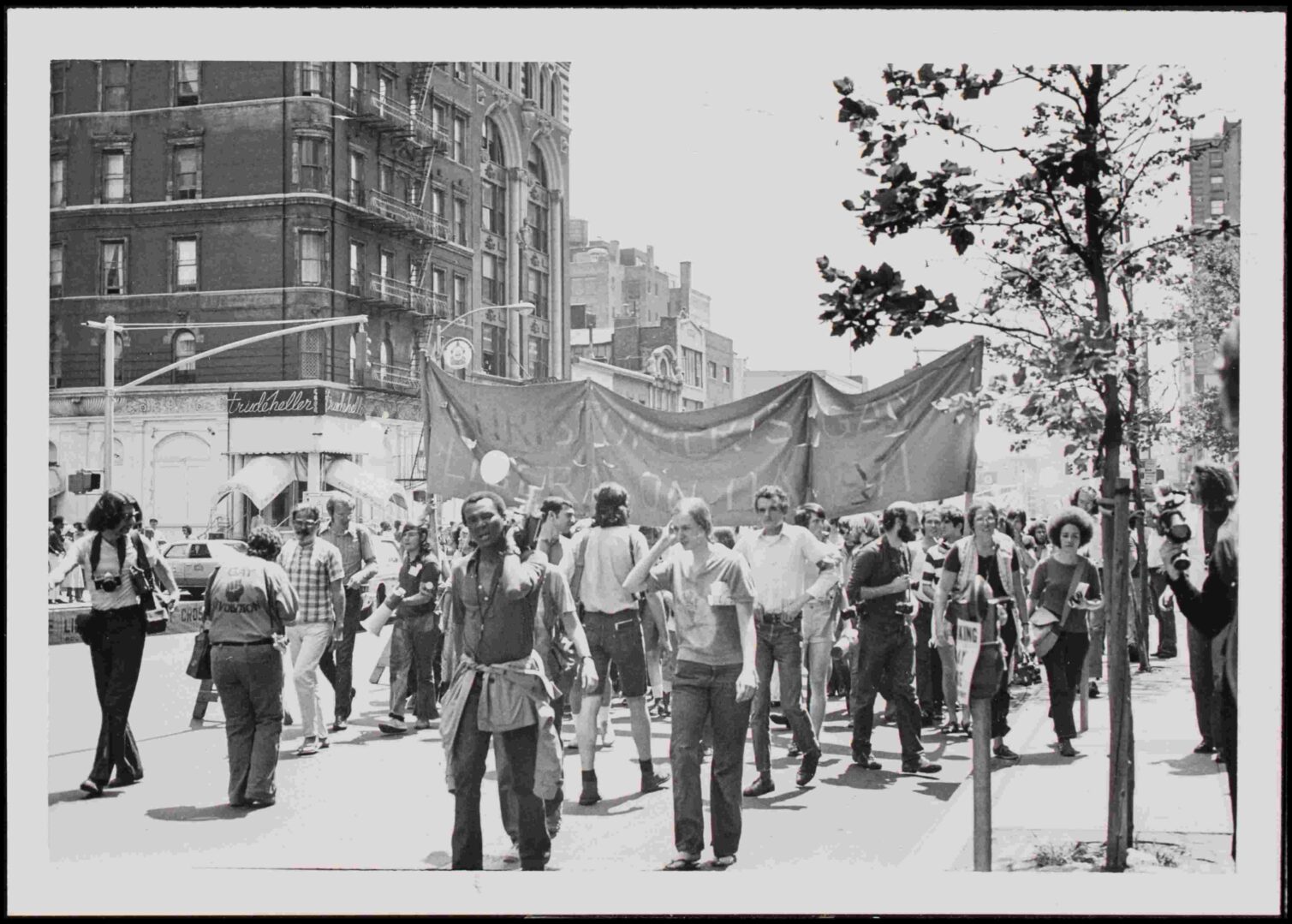
Christopher Street Liberation Day Parade, New York City, ONE Archives at the USC Libraries. Nancy M Tucker material © Nancy M Tucker. Material sourced from the ONE Archives at the USC Libraries.
These marches happened annually and were accompanied by marches in Los Angeles and Chicago; they became the first Gay Pride marches in the United States and sparked off a tradition that continues to this day all over the world.
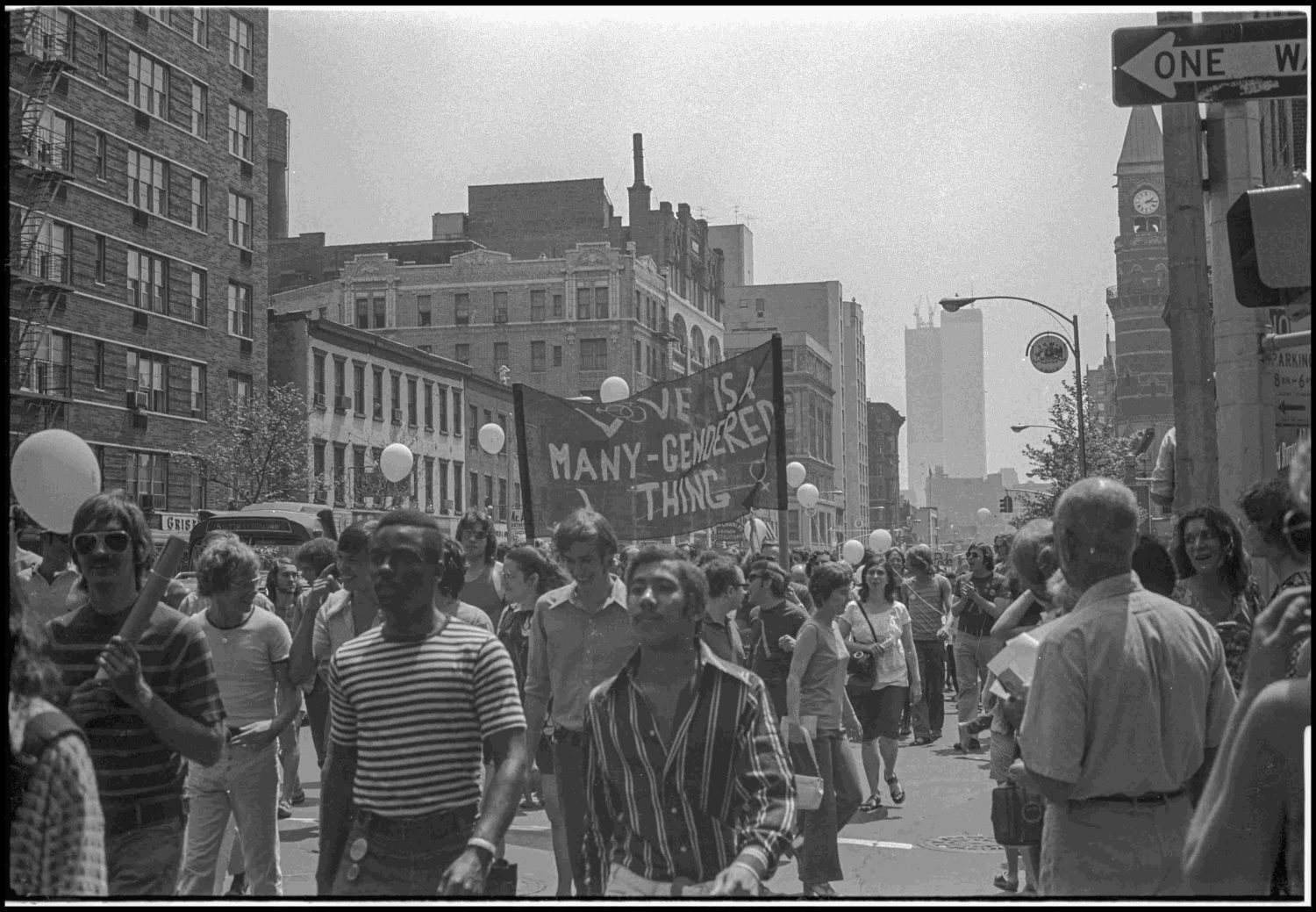
Christopher Street Liberation Day Parade, New York City, ONE Archives at the USC Libraries. Nancy M Tucker material © Nancy M Tucker. Material sourced from the ONE Archives at the USC Libraries.
For more information about Sex & Sexuality, including pricing, please request a demo.
Recent posts

A snapshot of wartime Kabul, this piece highlights diplomatic intrigue, espionage, and shifting alliances in neutral Afghanistan, alongside broader themes of modernisation, geopolitical tension, and resistance movements during the Second World War.

Explore how newspapers reveal the personal alongside the political, from global events to everyday life. This blog uncovers striking public notices from Trinidad, where husbands and wives used the press to renounce responsibility for one another, offering a rare glimpse into relationships, gender roles and legal realities.